Randburg lines that need clean finishing
In Randburg, many label jobs are short-run and change often, so finishing gear has to keep registration steady while substrates, varnishes and adhesive stocks shift from one order to the next. That is where unwind control, lamination, matrix stripping, slitting and rewinding all have to work together without wasting rolls or leaving loose edges on the finished reel.
We support digital label die-cutting systems used for paper, PP and other self-adhesive stocks, with setup for laser or semi-rotary cutting, flexible dies where needed, and registration marks that stay readable through the run. Where the job calls for varnish or laminate before cutting, the line has to stay aligned and the waste matrix has to clear cleanly, not bunch up at the rewind.
Visits in and around the industrial grid
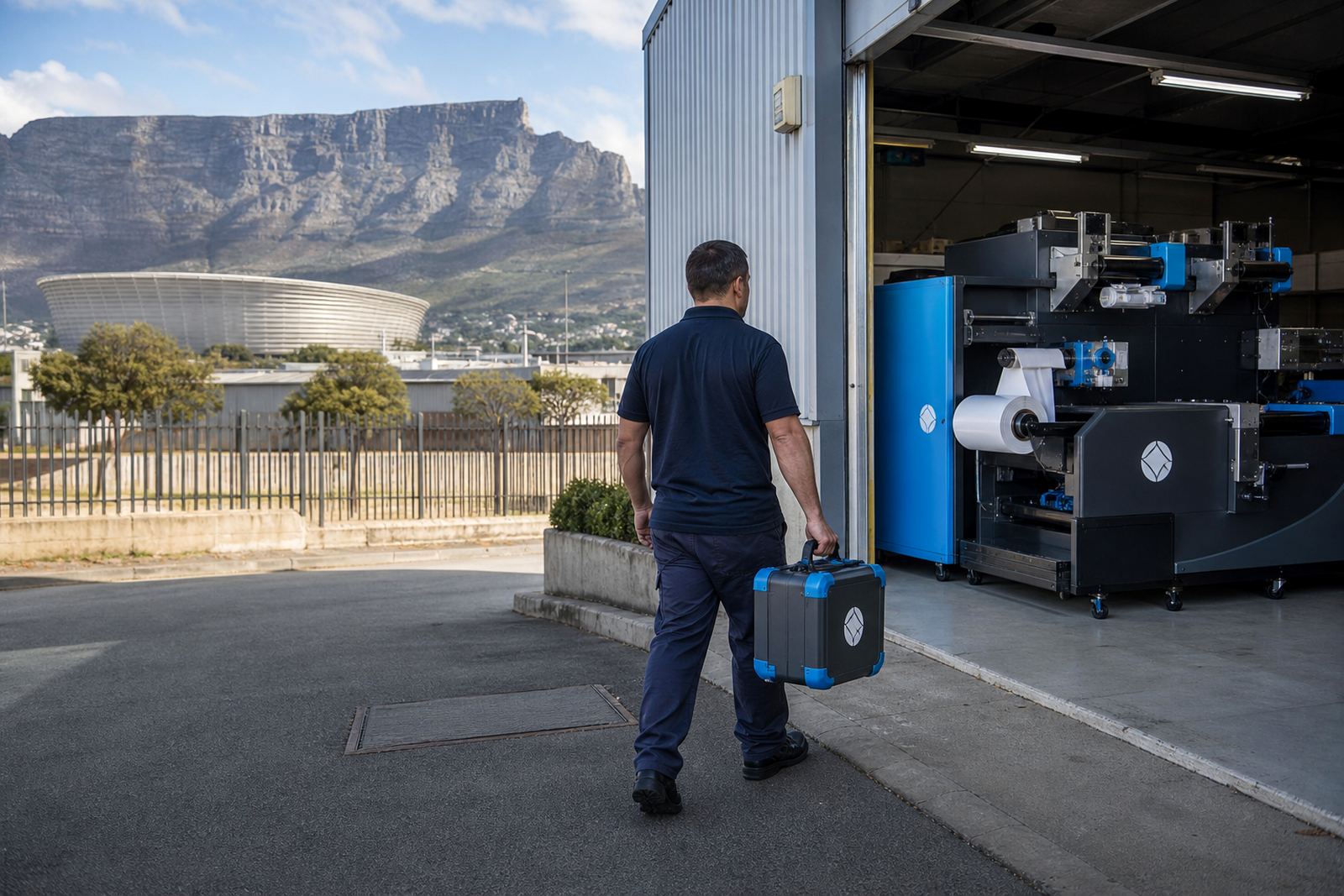
Our Randburg support work is centred on Kya Sand and the nearby industrial pockets that feed into the wider north of Johannesburg. That covers label converters, small packaging plants, trade finishers and in-house production teams that need practical help on the floor, not talk that only makes sense in a brochure.
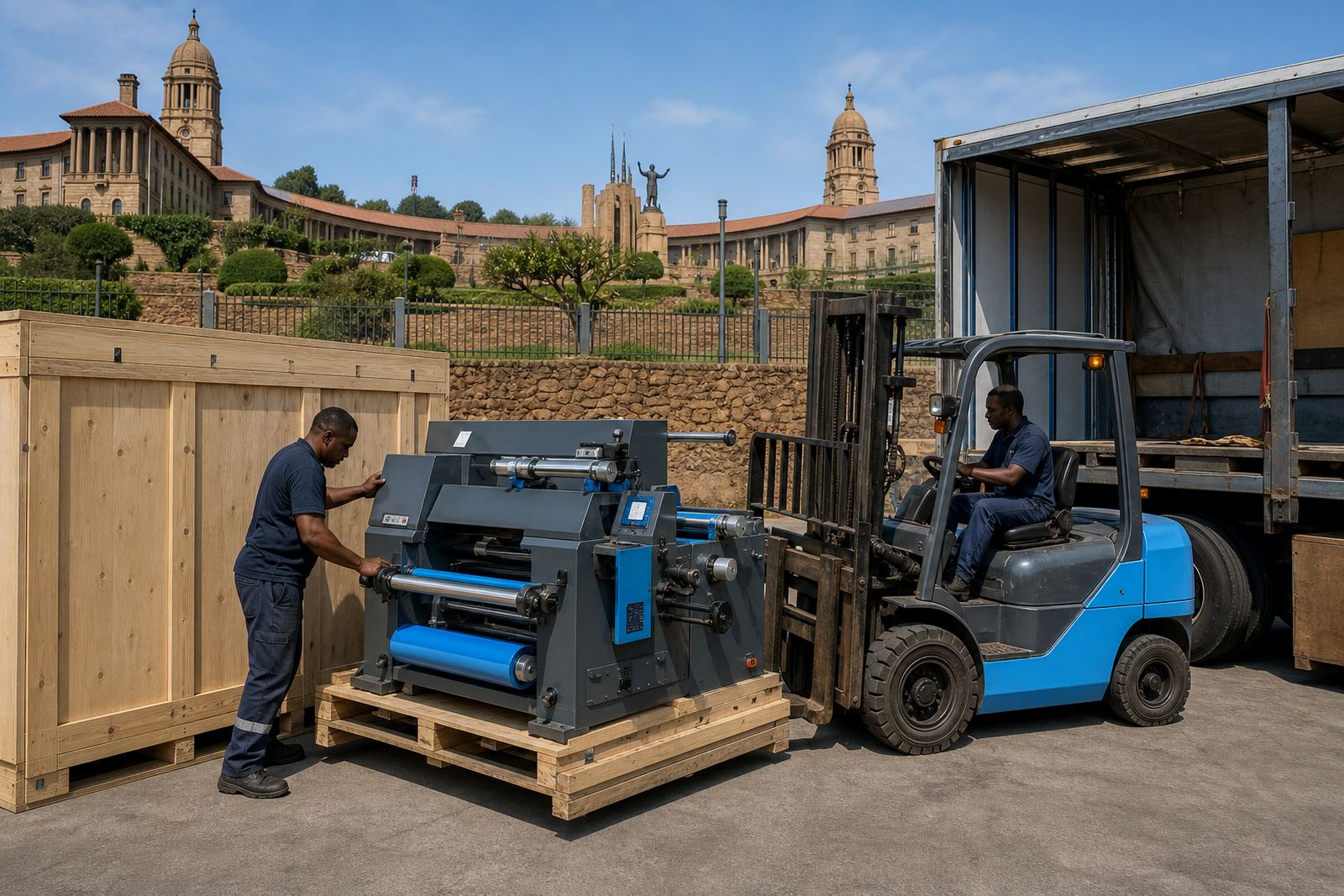
Road access matters here. Delivery trucks, loading bays and tight yard space can slow a machine move, so we plan installation visits with the site layout in mind and check where the reels, parts and tools have to move through the building. In busy periods, a rushed install creates more stoppages later, especially when the rewind tension or die pressure is set without enough room to test the full web path.
- Machine installation and line commissioning for new finishing units
- Operator training on web paths, die settings and waste removal
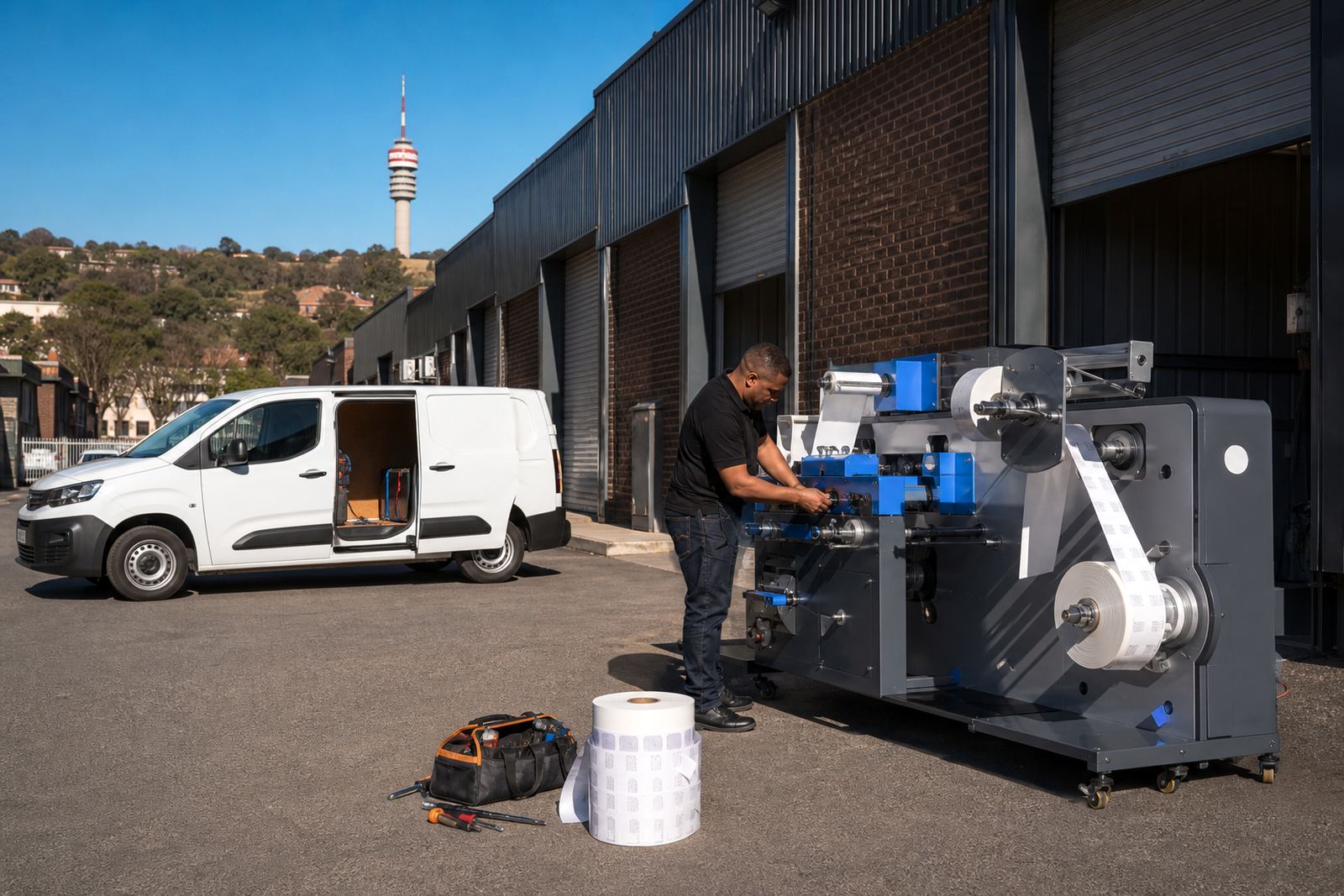
- Preventive maintenance for bearings, rollers, guides and drives
- Breakdown repairs for feed faults, cutting drift and rewind trouble
- Remote support for set-up checks and production issues
What Randburg customers usually ask us to cover
The Randburg area brings a mix of label printers, packaging producers and internal production rooms, each with its own pace and stock mix. Some run narrow web labels for personal care or food packs, while others need larger reels for logistics, chemicals or promotional work. The machine choice is one part of the job, but the practical set-up decides whether the shift stays stable.
We cover the areas below when a site needs support or a planned visit.
- Registration calibration for accurate cut-to-print alignment
- Die setup help for flexible dies and semi-rotary heads
- Rewind setup where roll build and edge control matter
- Slitting setup for multiple lanes or narrower finished rolls
- Production optimisation when waste, tension or web tracking needs correction
Conditions that shape finishing work in Randburg
Randburg sites often work with a mix of dry storage, warm packing areas and occasional humidity swings that come through the building from loading doors or nearby wash-down zones. Those changes affect adhesive release, matrix stripping and the way a web behaves after lamination, especially on lighter stocks that curl or lift at the edge.
Machines also need to cope with the reality of different roll widths and core sizes. A job may start on one reel format and move to another without much notice, so unwind tension, braking and rewind build have to be adjusted properly. If the reel drifts, the cut line starts to wander too, and the next print inspection becomes harder than it should be.
For that reason, our servicing work in Randburg includes checking sensor alignment, guide rollers, strip waste paths and the condition of slitting blades or cut tools. When the line uses varnish or laminate before finishing, we also look at adhesion, cure behaviour where relevant and how the finished reel releases at the rewinder.
Parts, support calls and the practical side of uptime
We keep a working stock of common service parts and consumables for finishing machines that handle labels day after day. That includes wear items linked to rewind spindles, guide assemblies, drive components, sensors and the parts that affect tension and tracking. When a machine is under pressure, the small items usually tell the story before the bigger fault appears.
Randburg teams often need help with:
- Matrix stripping that leaves slugs or tears the liner
- Slitting knives that leave ragged edges or dust
- Web breaks during rewind or after lamination
- Die pressure that cuts too deep or too shallow
- Registration marks that drift under repeated runs
Our service coordinator, technical manager and applications trainer work across these support tasks with the rest of the team, so the advice matches the machine on site and the job being run. Where a production team needs a proper changeover method, we focus on the sequence, not just the fault.
How Randburg enquiries are handled
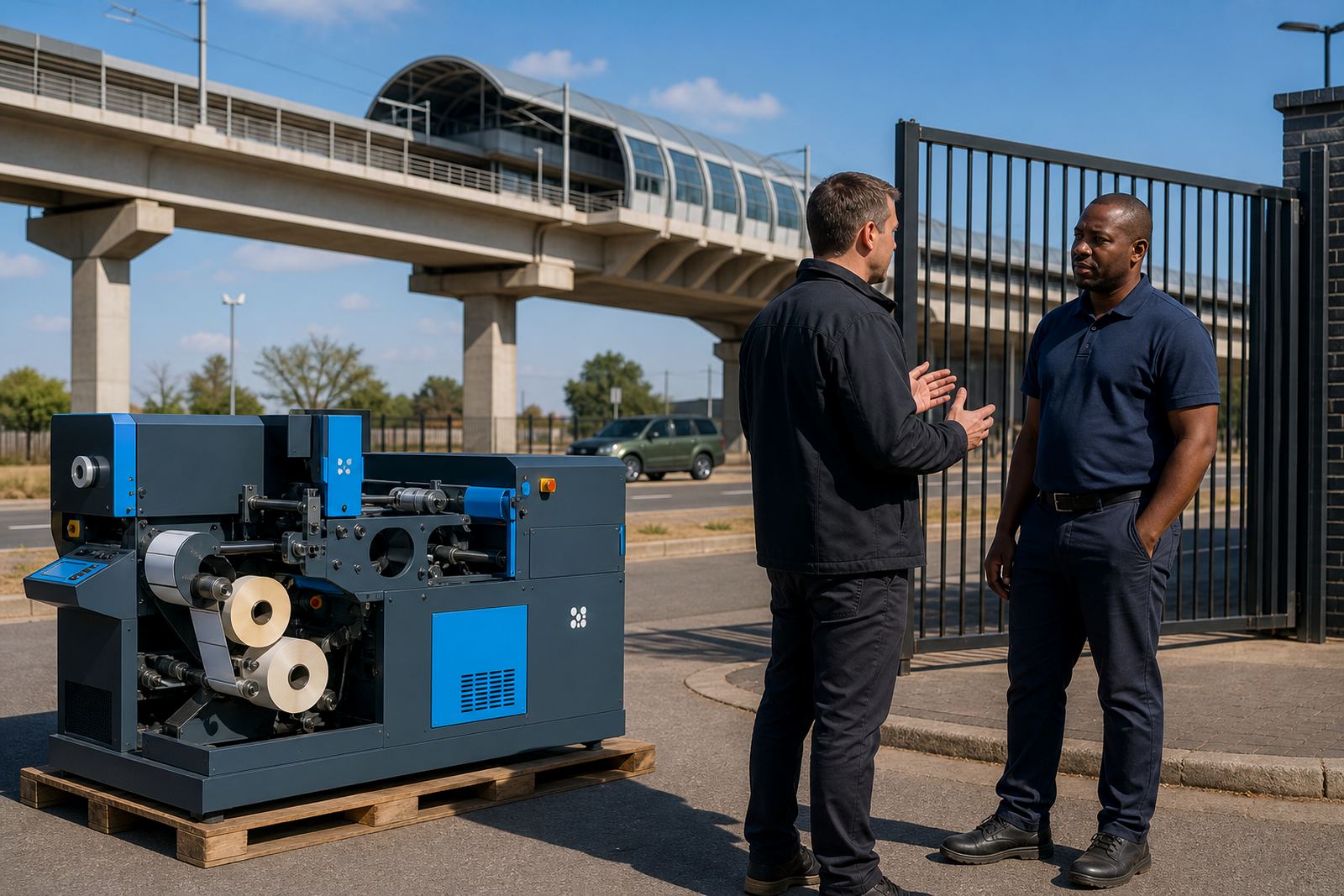
Enquiries for Randburg go through our contact page form. That is the cleanest way to send machine details, reel widths, substrate type, fault notes and the sort of finishing line you are running. It also helps when a site has more than one unit, because a slitting issue on one line is not the same as a registration fault on another.
If the machine is being moved, installed or adjusted for a new label format, include the space available, the roll size, the web direction and any lamination or varnish step before cutting. Those details help us match the support visit to the actual job on the floor, instead of guessing at the setup from a short description.