

Skip to content
Finishing Floor Notes
Home / Notes

Finishing Floor Notes

These editorial notes explain practical aspects of digital label finishing in plain language. They are written for production teams, buyers and business owners comparing line options and workflow choices.

Laser Vs Die

Laser Vs Die

A plain comparison of laser cutting and die-based finishing for changing label portfolios.

Semi-Rotary Basics

Semi-Rotary Basics

How semi-rotary cutting works and where it fits in a digital label finishing line.

Flexible Dies Explained

Flexible Dies Explained

What flexible dies do, how they are mounted and when they make sense.

Reading Registration Marks

Reading Registration Marks

Why registration marks matter and how sensors use them to align cutting to print.

Lamination Why It Matters

Lamination Why It Matters

A look at how overlaminate affects durability, appearance and converting behaviour.

Varnish Or Laminate

Varnish Or Laminate

When to consider varnish, when to consider laminate and what each changes downstream.

Matrix Stripping Tips

Matrix Stripping Tips

Common causes of poor waste lift and simple checks before blaming the substrate.

Slitting Clean Edges

Slitting Clean Edges

Blade choice, setup habits and web stability factors that affect slit quality.

Better Rewind Rolls

Better Rewind Rolls

How tension, core choice and lane alignment influence finished roll presentation.

Roll Size Planning

Roll Size Planning

Why unwind and rewind diameters matter when choosing a finishing machine.

Web Tension Basics

Web Tension Basics

A practical introduction to keeping the web stable through each finishing stage.

Kiss Cut Vs Full

Kiss Cut Vs Full

The difference between kiss cutting and full cutting in label converting work.

Liner Care On Press

Liner Care On Press

How liner condition affects die-cutting, waste stripping and rewind stability.

Clear Film Challenges

Clear Film Challenges

Why transparent films can expose setup errors in tracking, stripping and slitting.

Paper Stock Behaviour

Paper Stock Behaviour

How paper labels respond differently from films during cutting and rewinding.

Changeover Time Savers

Changeover Time Savers

Practical habits that shorten setup between jobs without rushing critical checks.

Sample Roll Production

Sample Roll Production

Ways to approach very short runs while keeping setup and waste under control.

Counting Finished Rolls

Counting Finished Rolls

What to think about when batching rolls by labels, metres or job units.

Narrow Web Layouts

Narrow Web Layouts

How line layout changes when working with smaller web widths and tighter spaces.

Wider Web Considerations

Wider Web Considerations

Factors to review when moving into larger roll widths and more lanes.

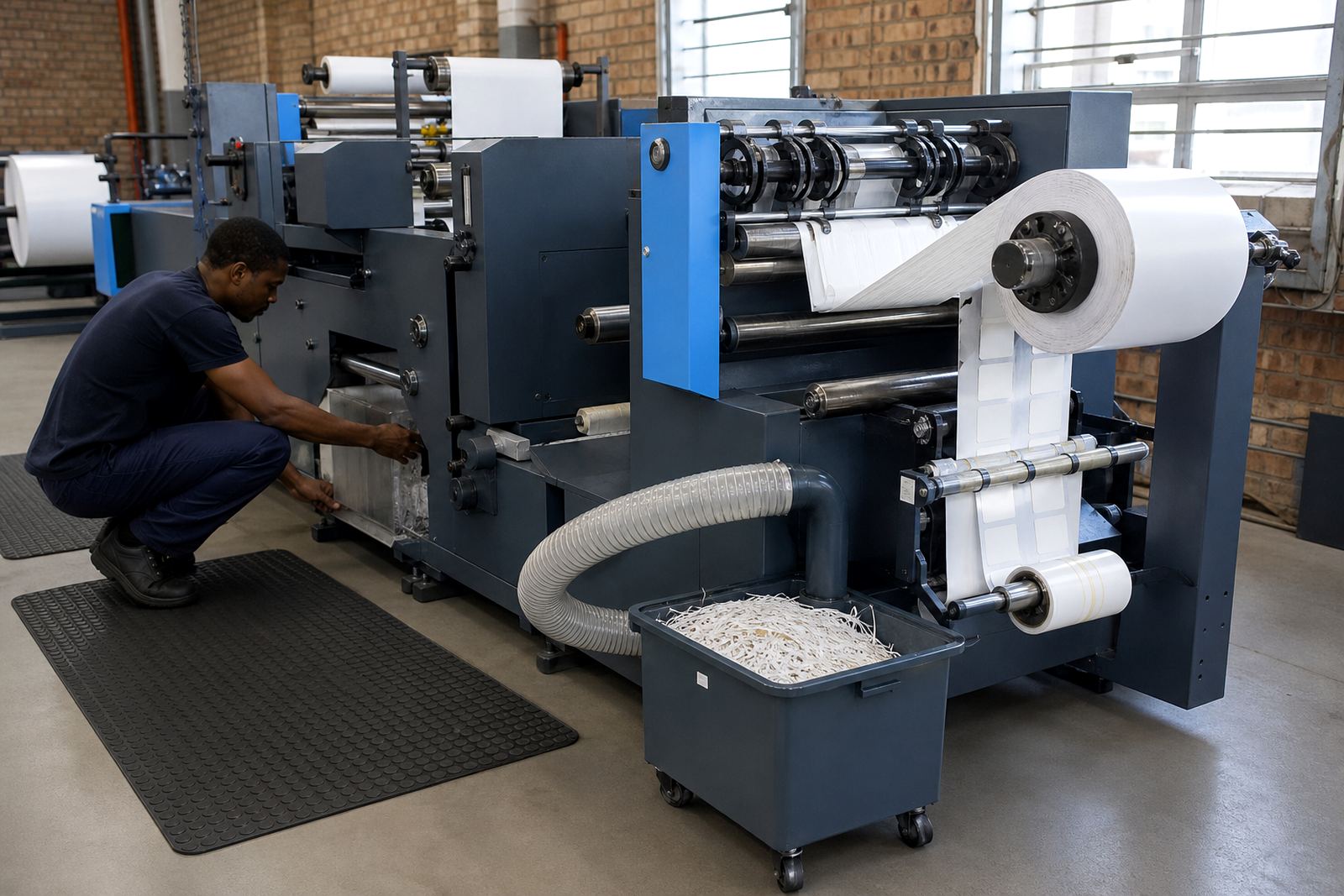
Waste Handling Options

Waste Handling Options

A look at matrix and trim removal methods for cleaner converting floors.

Floor Space For Lines

Floor Space For Lines

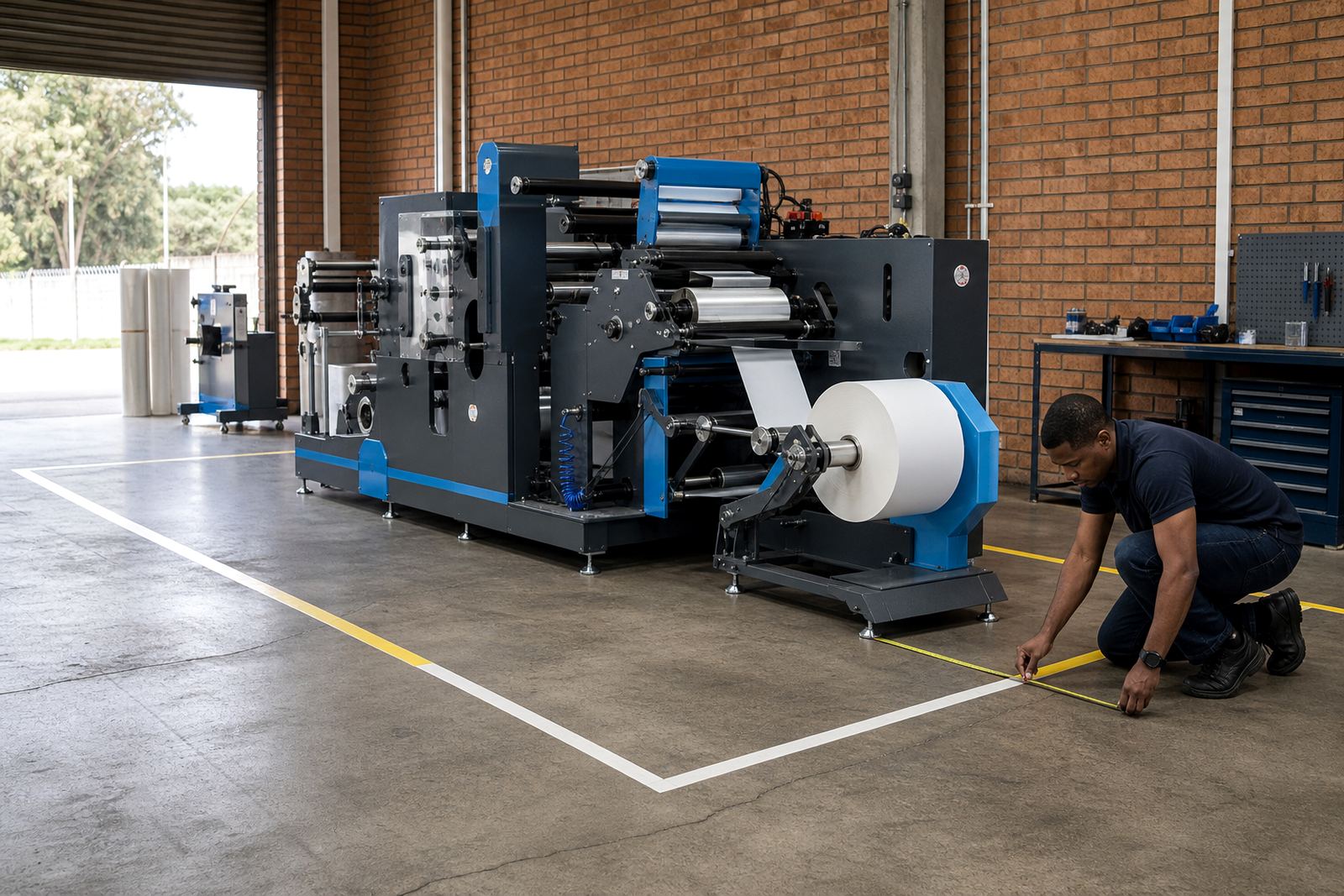
Why access, roll movement and service clearance matter when placing a finisher.

Operator Training Needs

Operator Training Needs

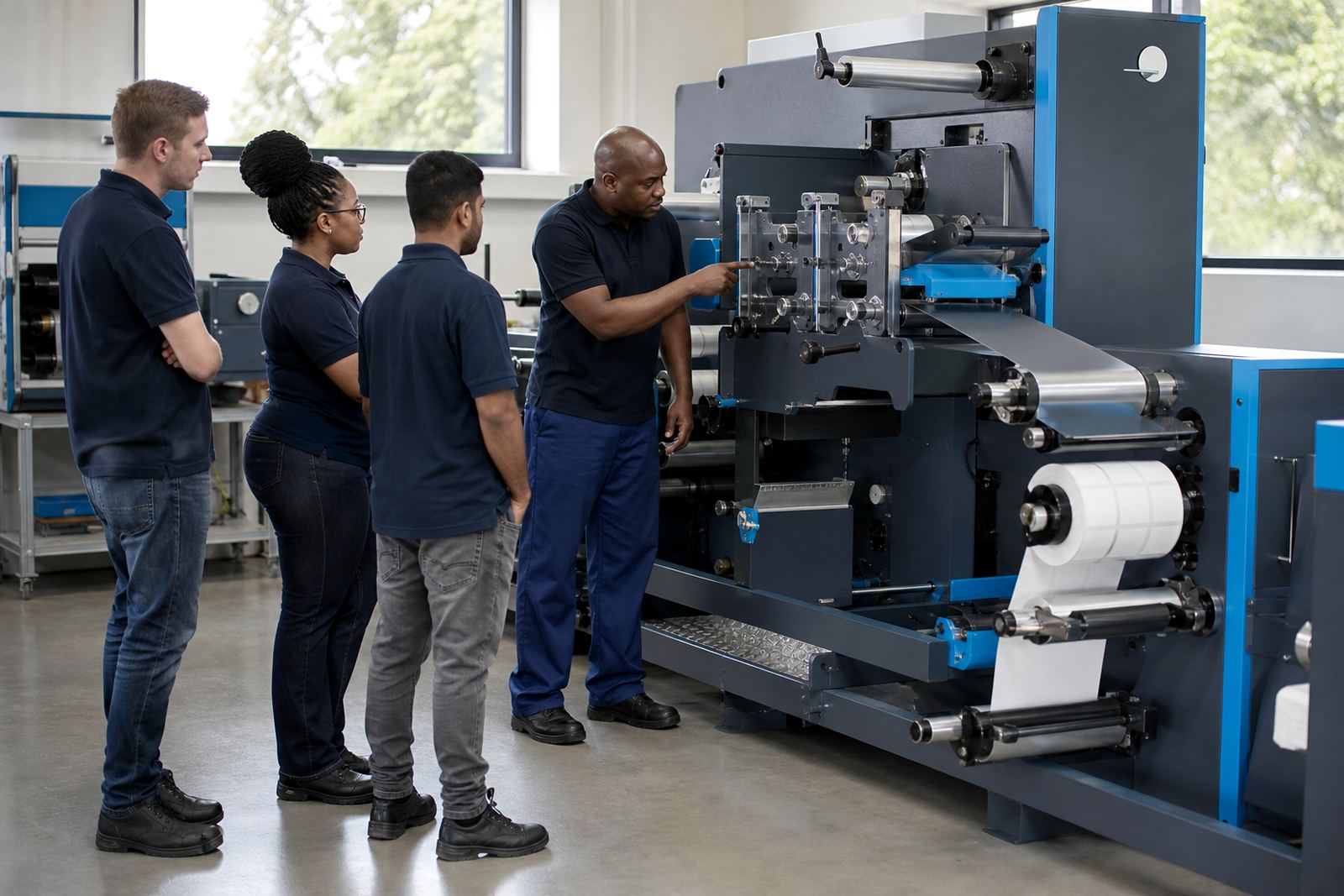
The skills operators need to load, align, monitor and maintain finishing equipment.

Daily Startup Checks

Daily Startup Checks

A sensible morning checklist before the first production roll is loaded.

Shutdown Good Habits

Shutdown Good Habits

End-of-shift steps that help preserve settings, cleanliness and machine life.

Common Cut Quality Issues

Common Cut Quality Issues

Typical signs of cut problems and what they may point to in setup.

Misregistration Causes

Misregistration Causes

Common reasons cutting drifts from print and where to start checking first.

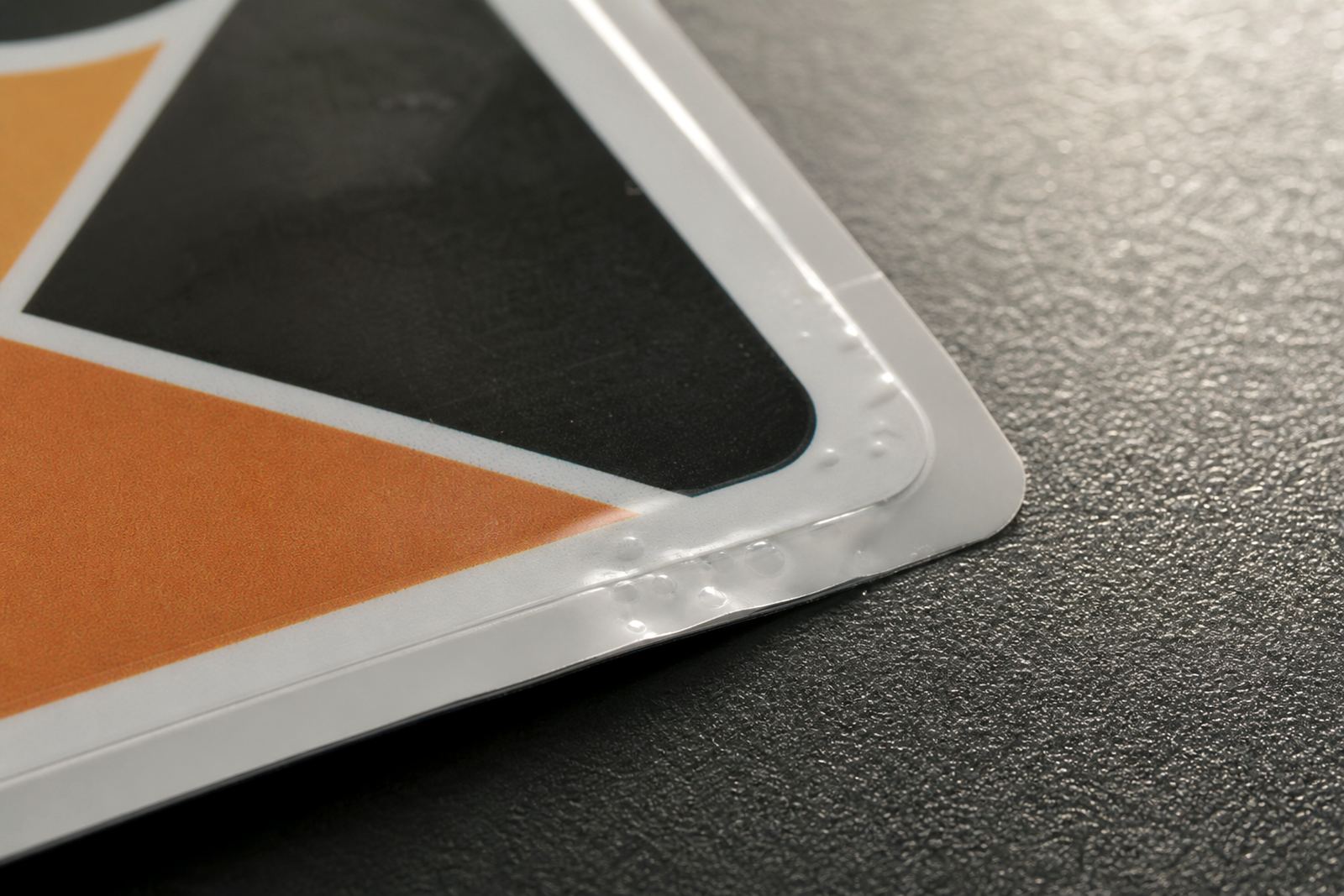
Laminate Bubbles And Lift

Laminate Bubbles And Lift

What bubbling and edge lift can indicate about pressure, cleanliness or material handling.

Slit Dust Control

Slit Dust Control

Housekeeping and setup choices that reduce dust around slitting operations.

Core Size Choices

Core Size Choices

How core dimensions affect rewind quality, handling and final use requirements.

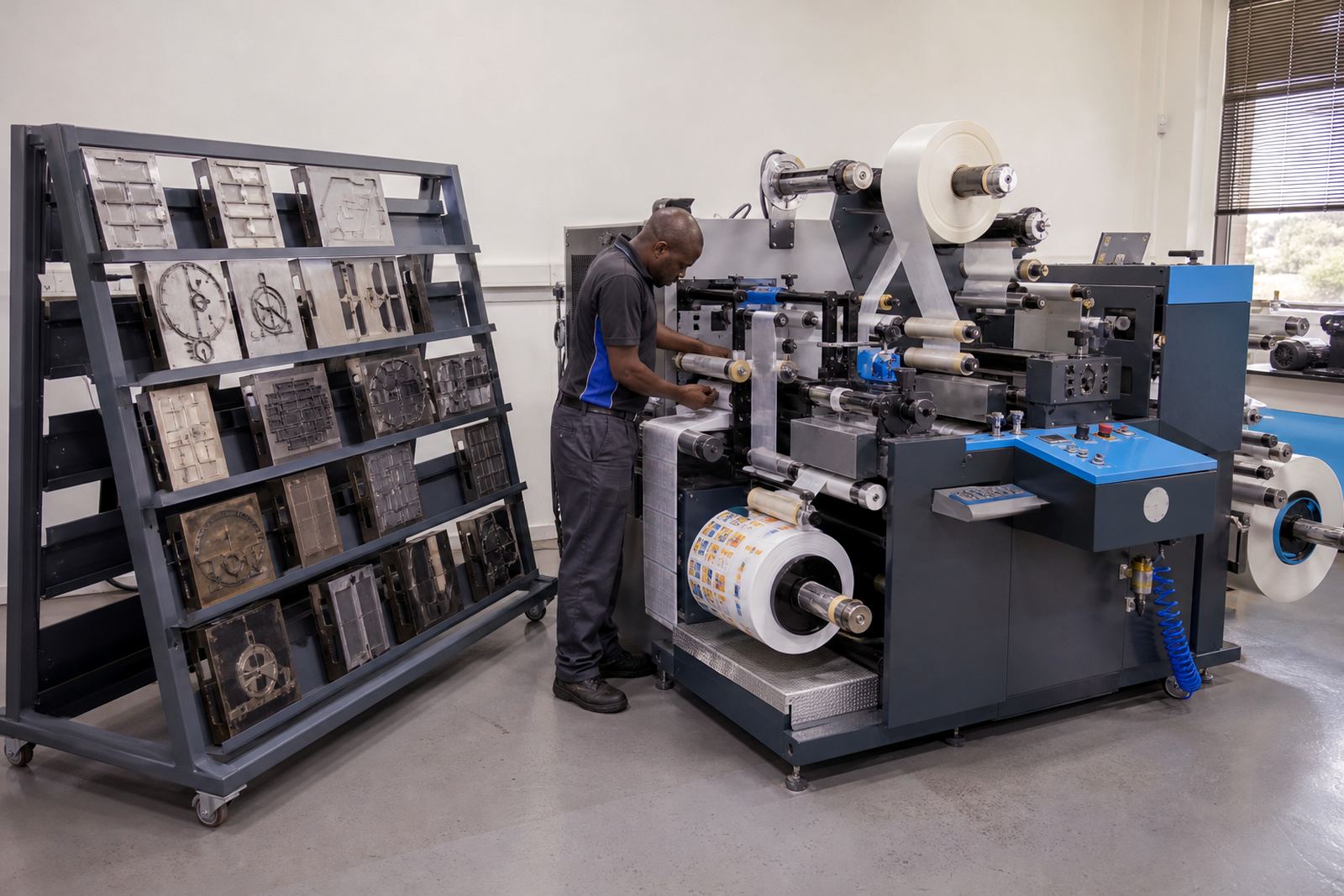
Storing Flexible Dies

Storing Flexible Dies

Simple storage habits that help protect flexible dies between repeat jobs.

Service Visit Prep

Service Visit Prep

How to prepare your team and machine before a technician arrives.

Spares To Keep

Spares To Keep

Practical wear items many finishing rooms prefer to hold on hand.

Acceptance Test Runs

Acceptance Test Runs

What teams usually check during machine handover and first production approval.

Where the label roll changes shape

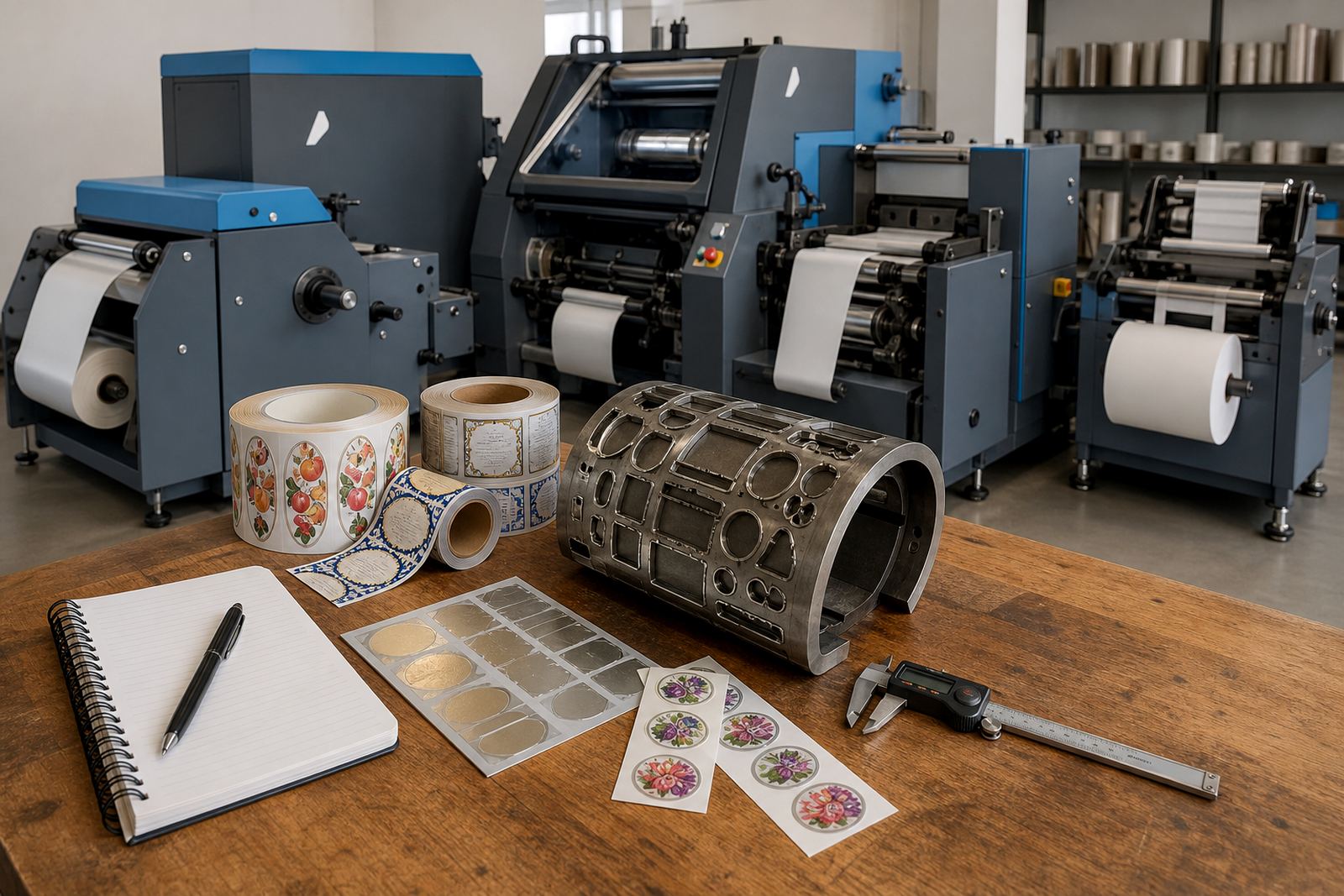
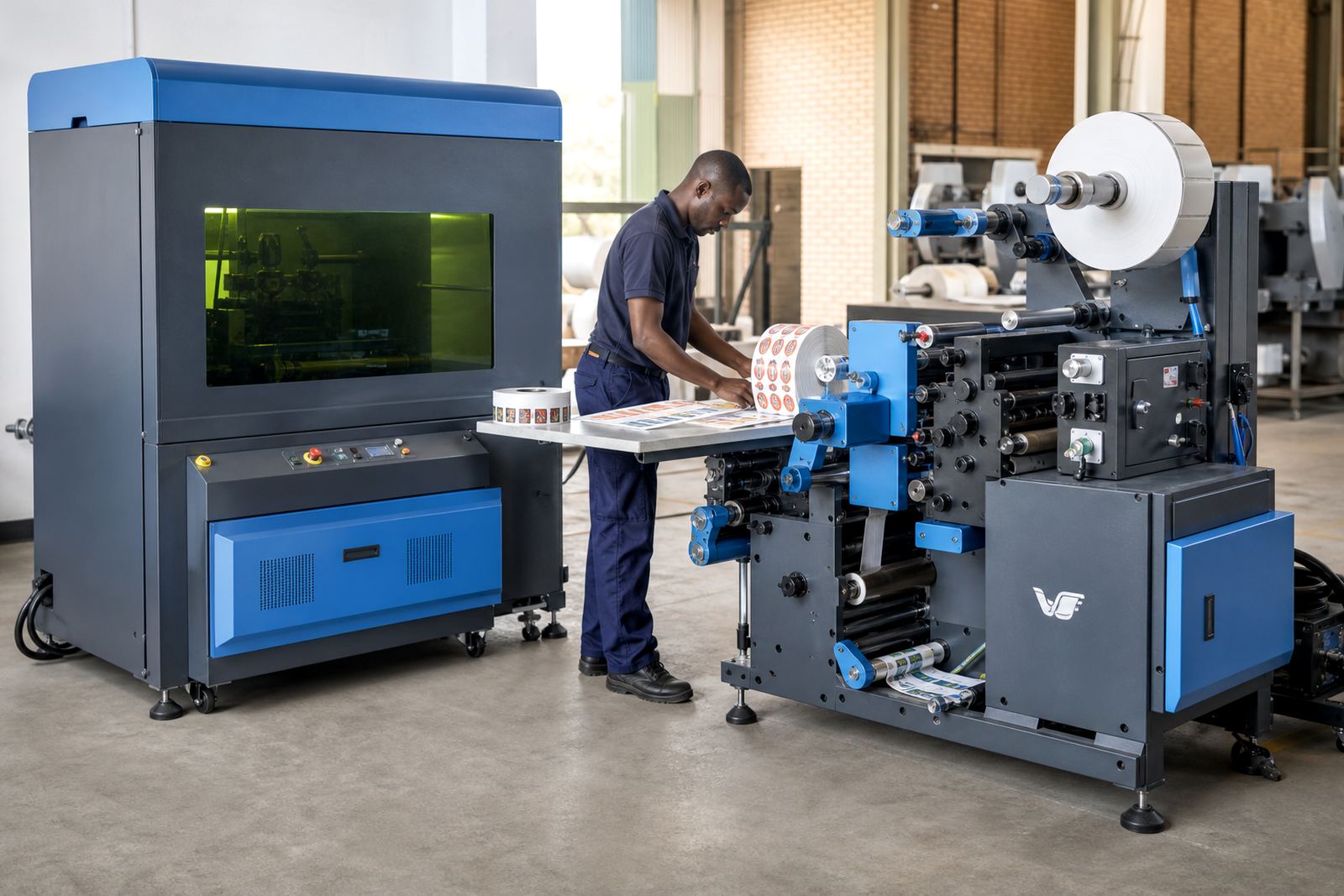
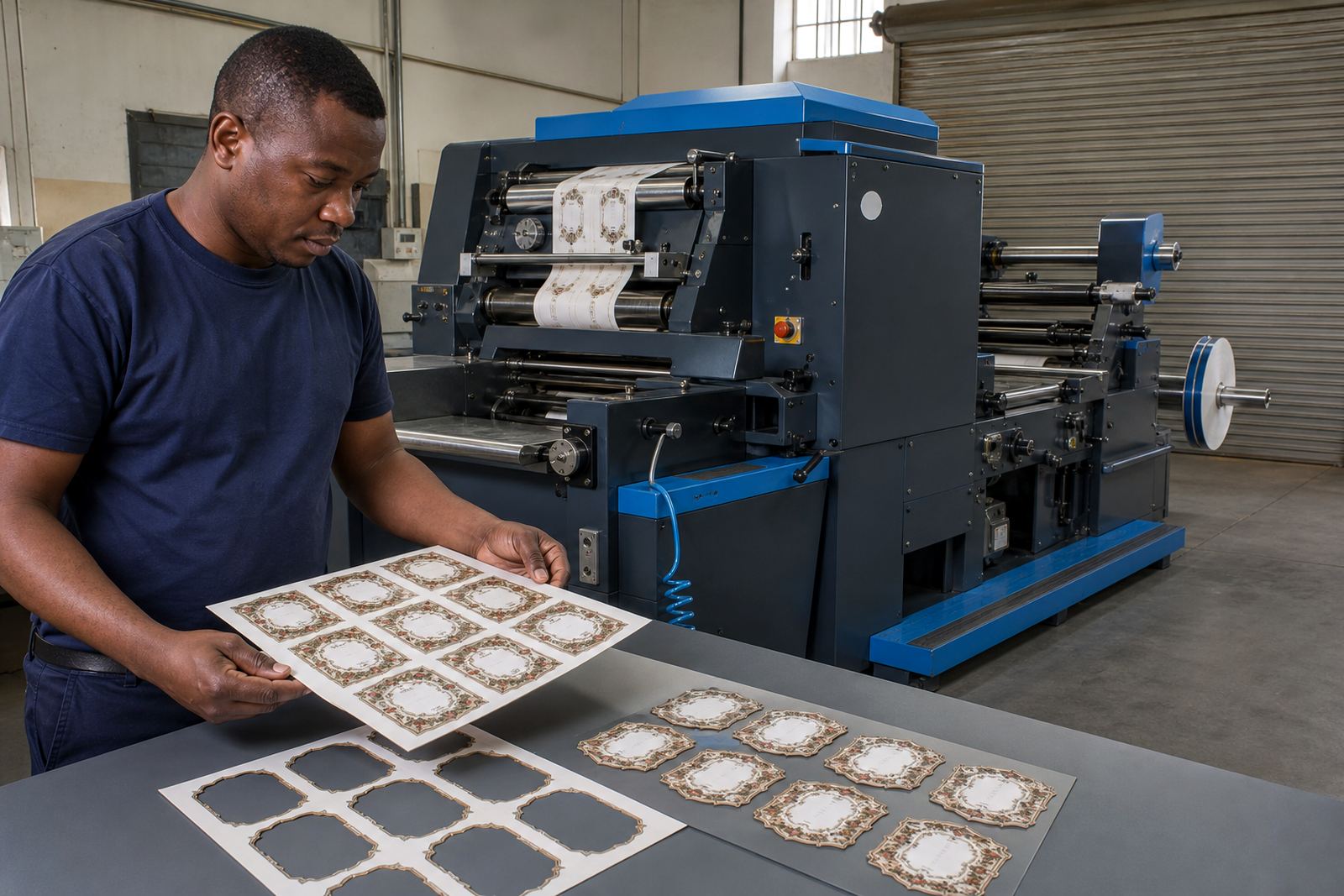
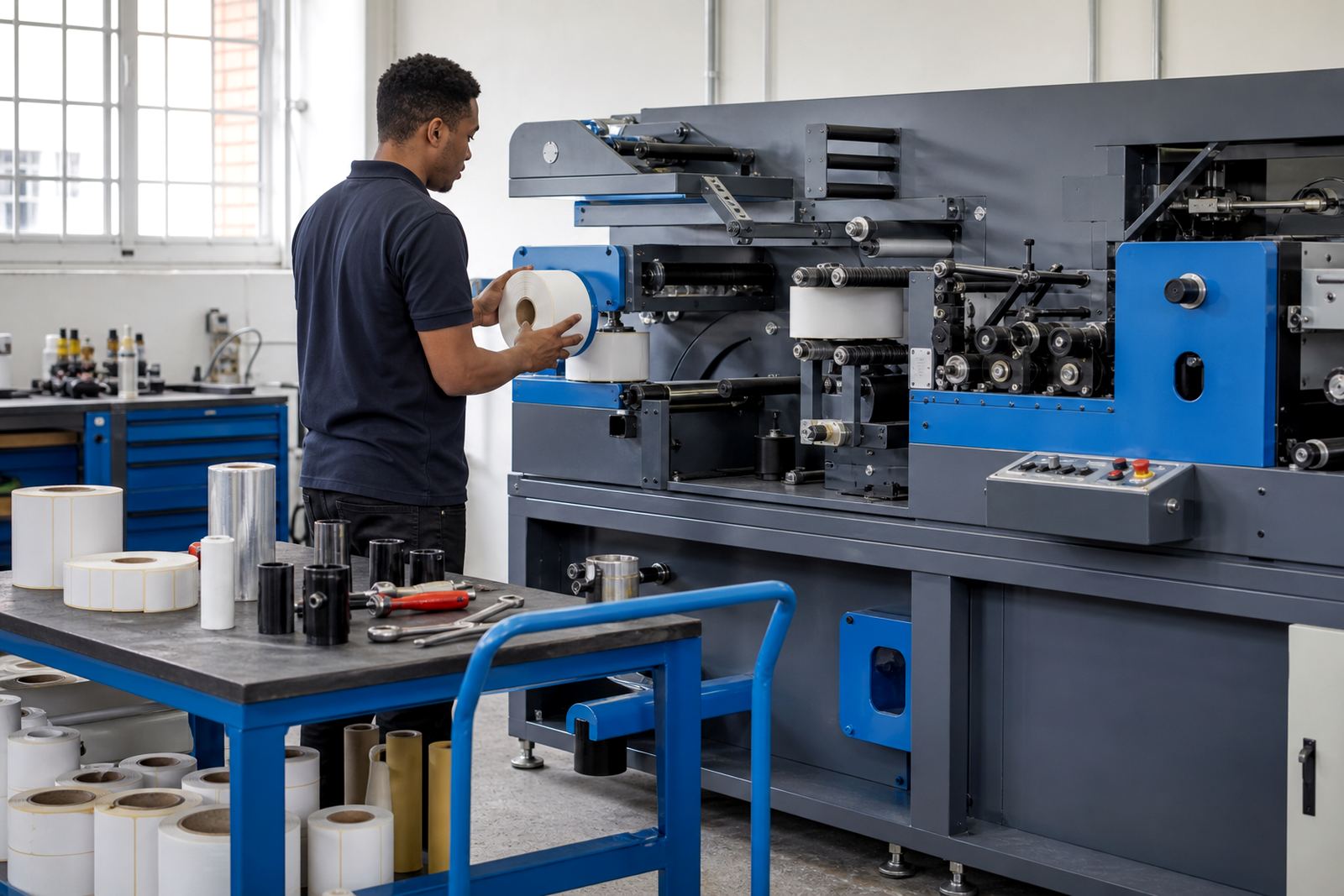
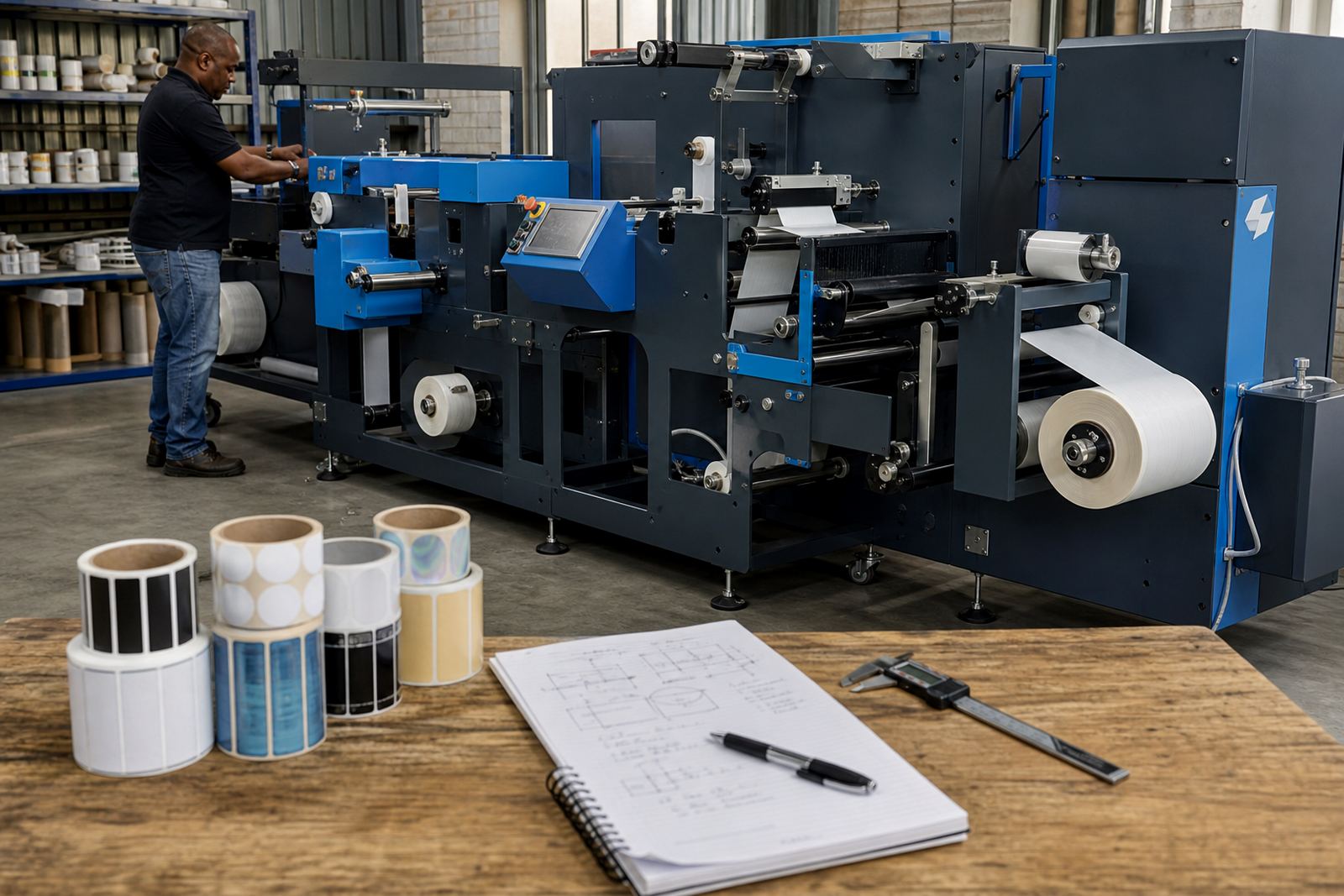
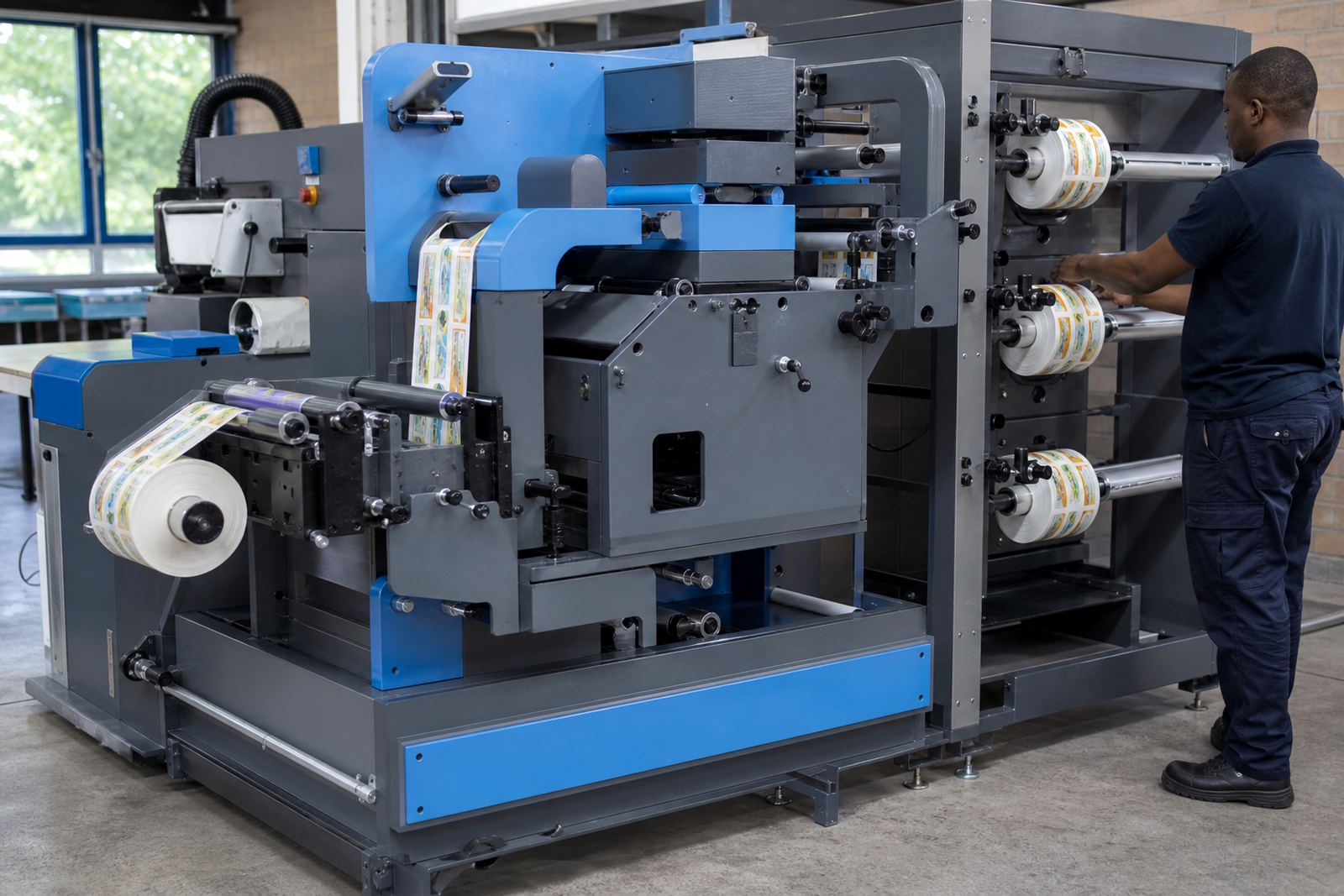
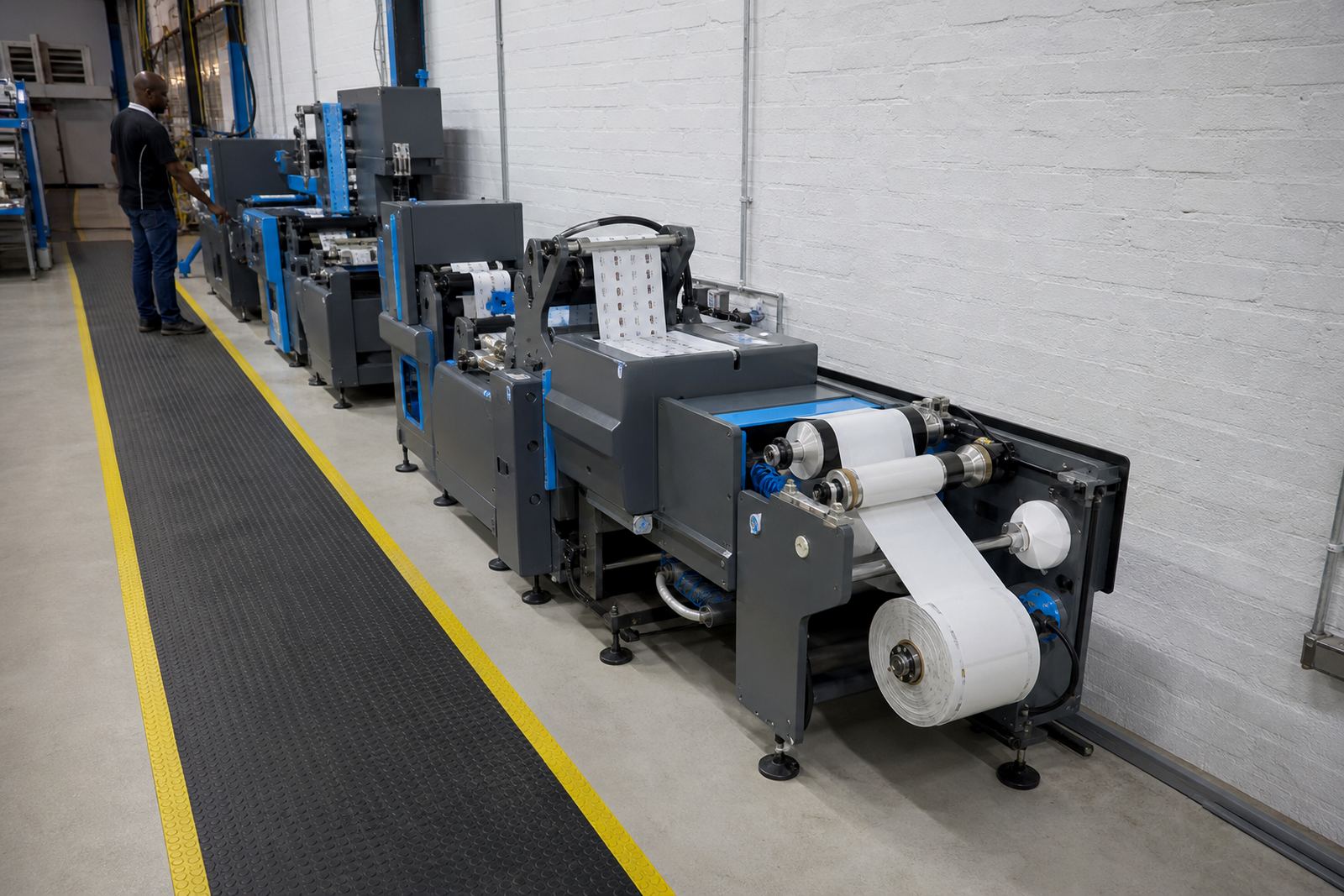
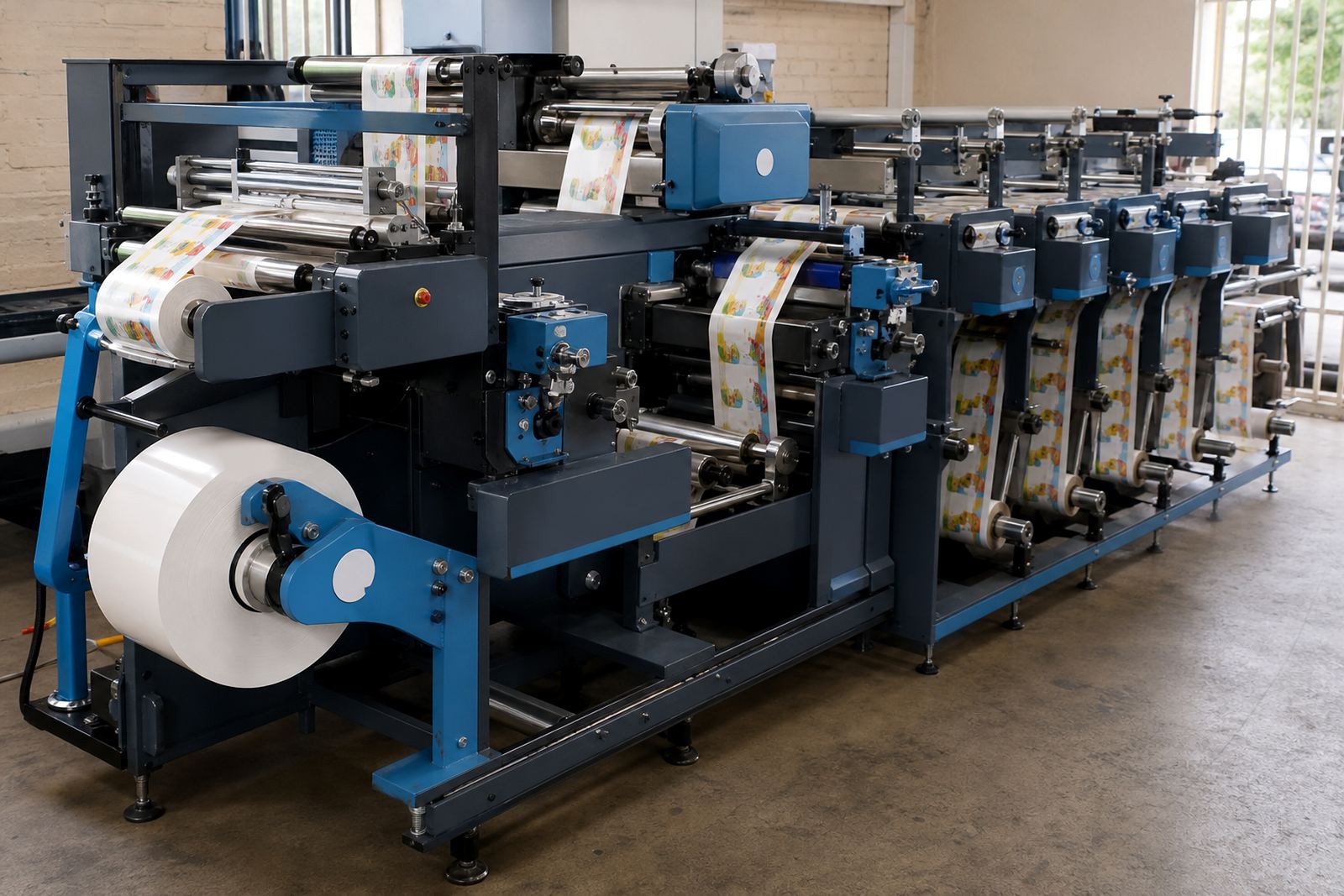
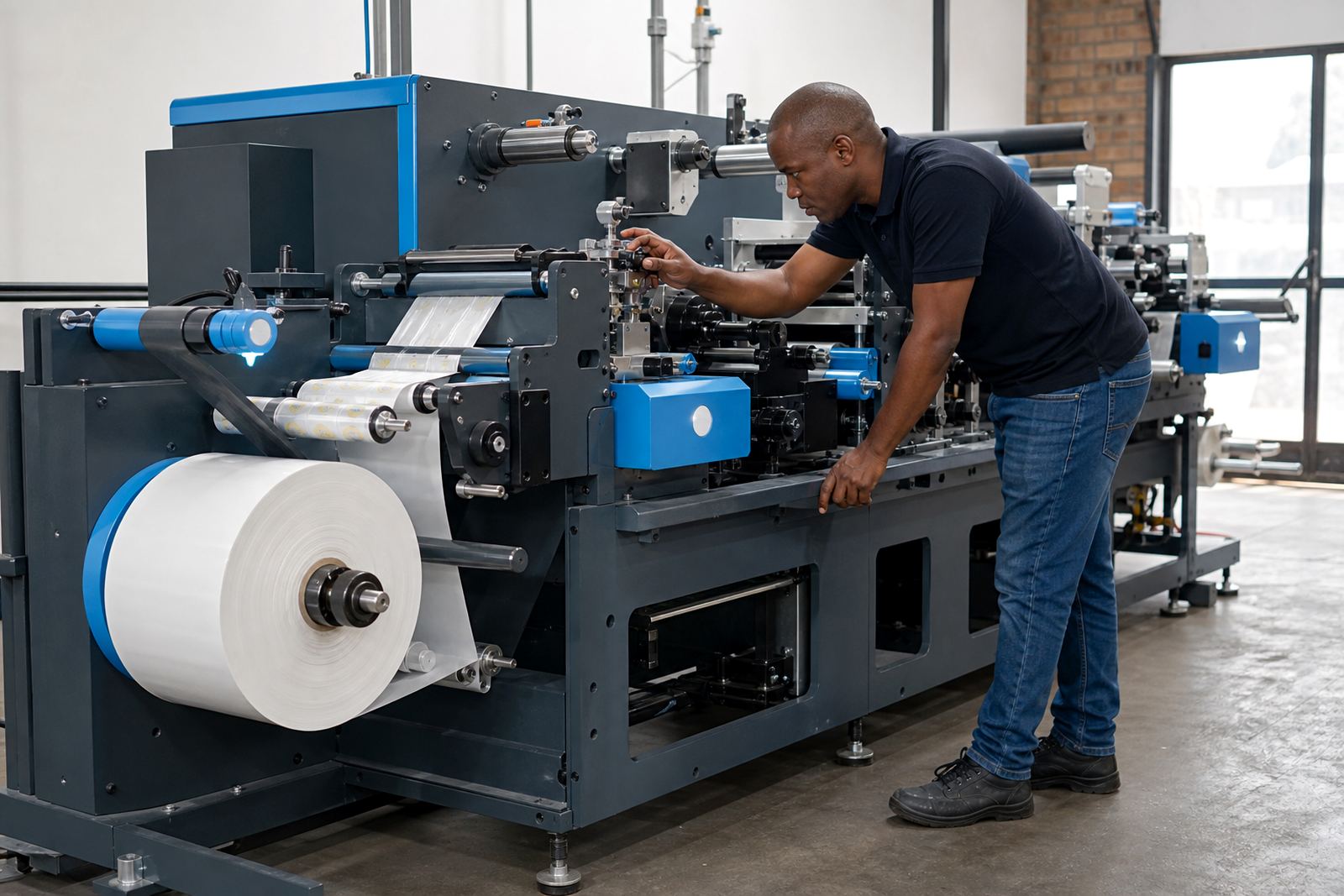
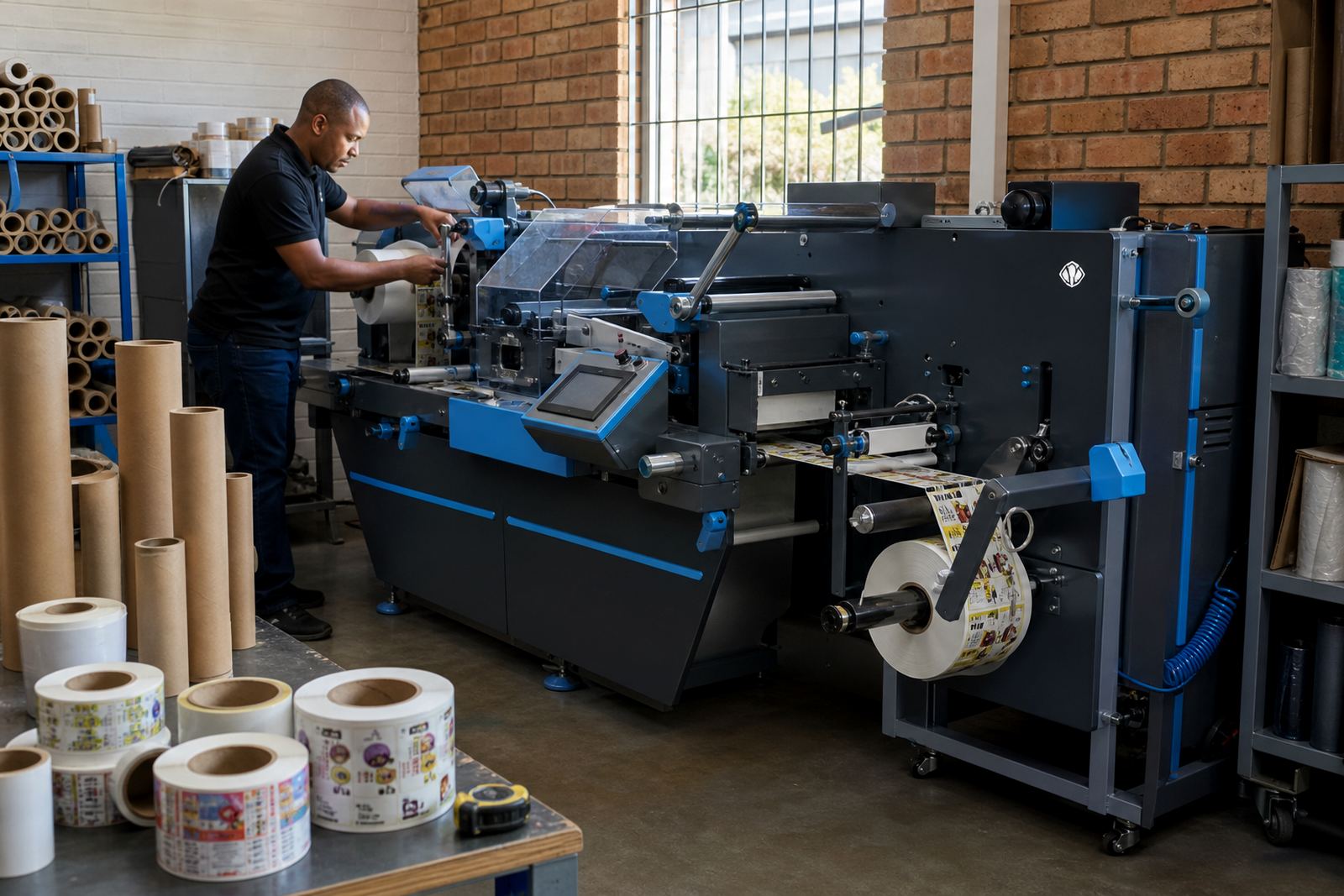
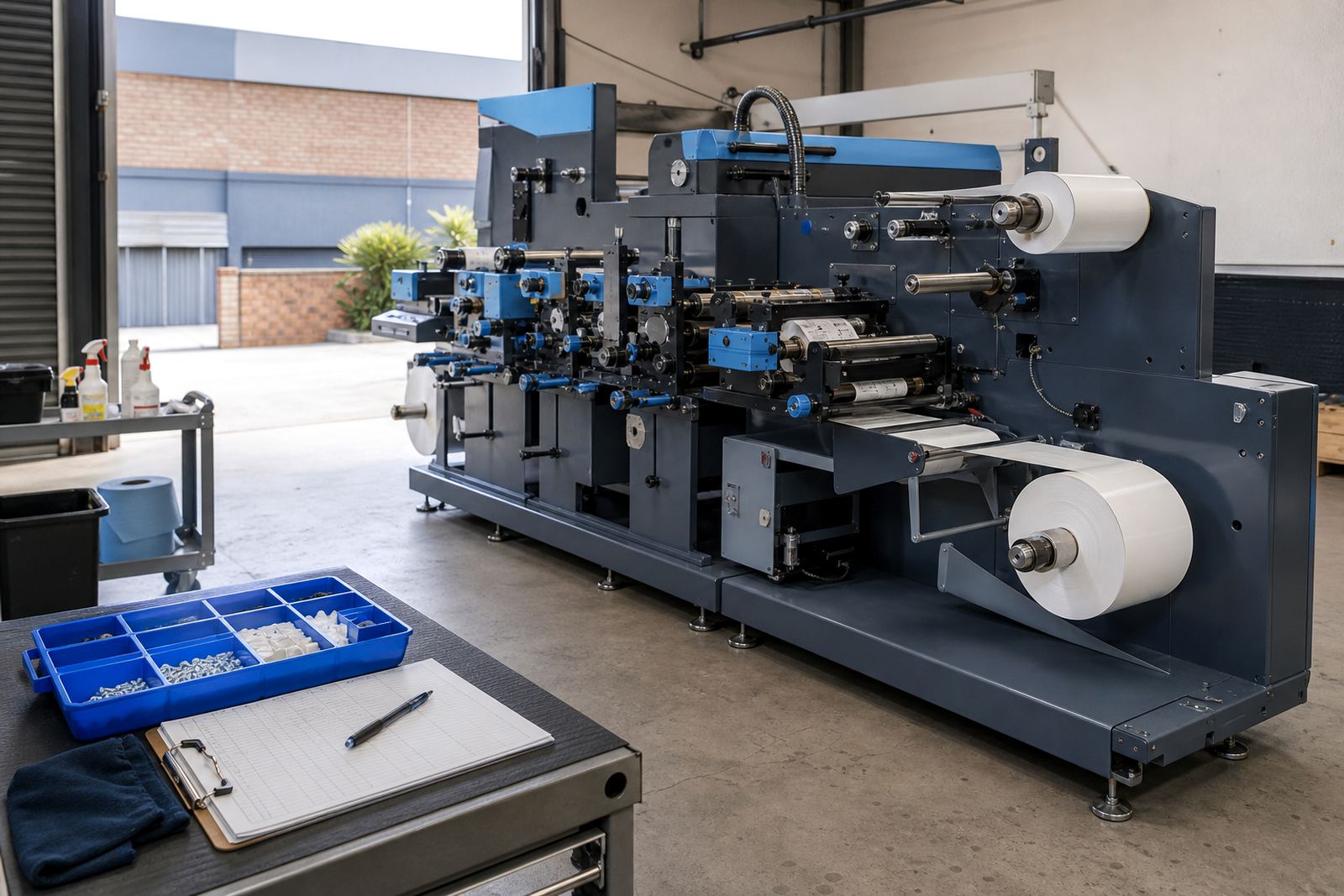
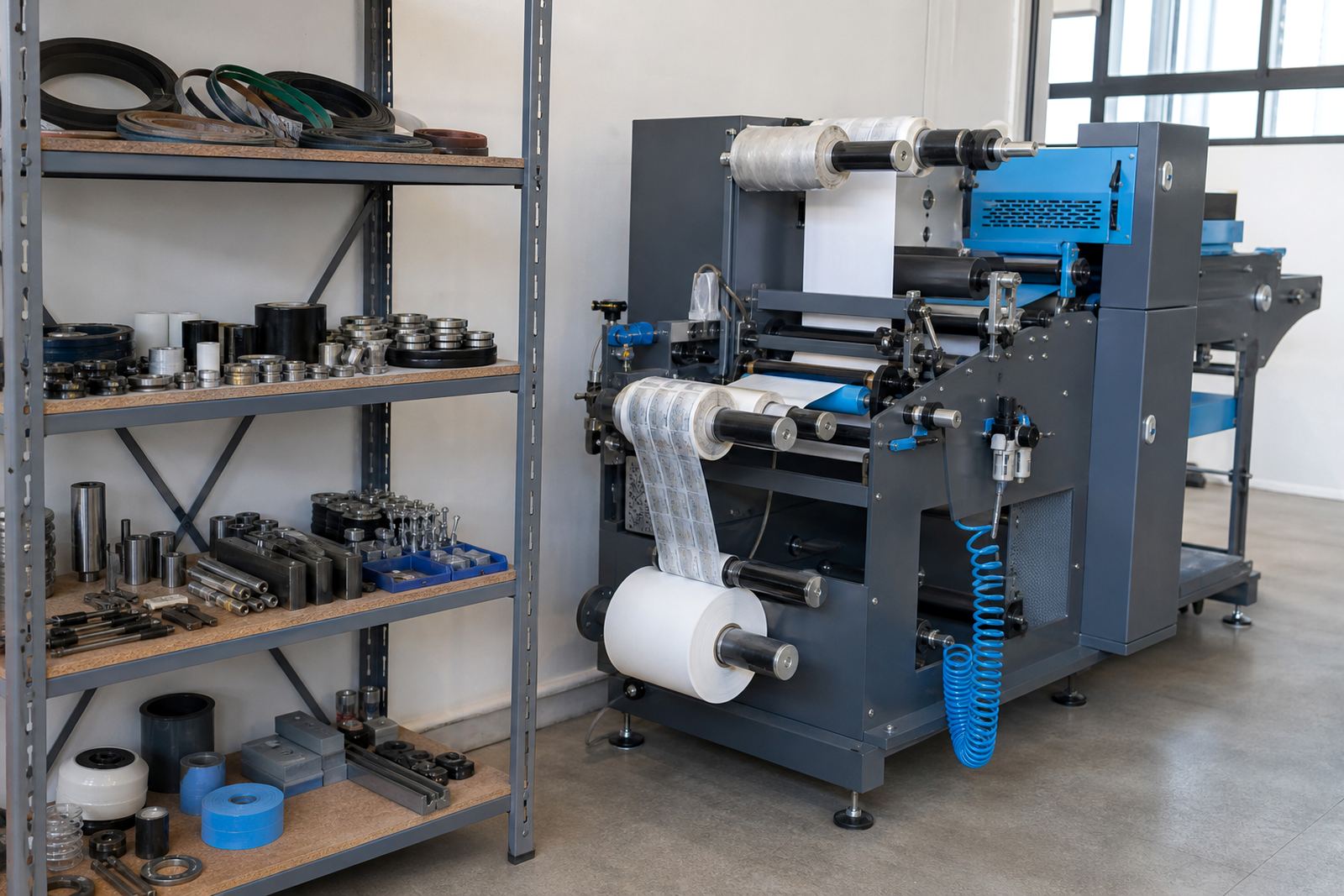
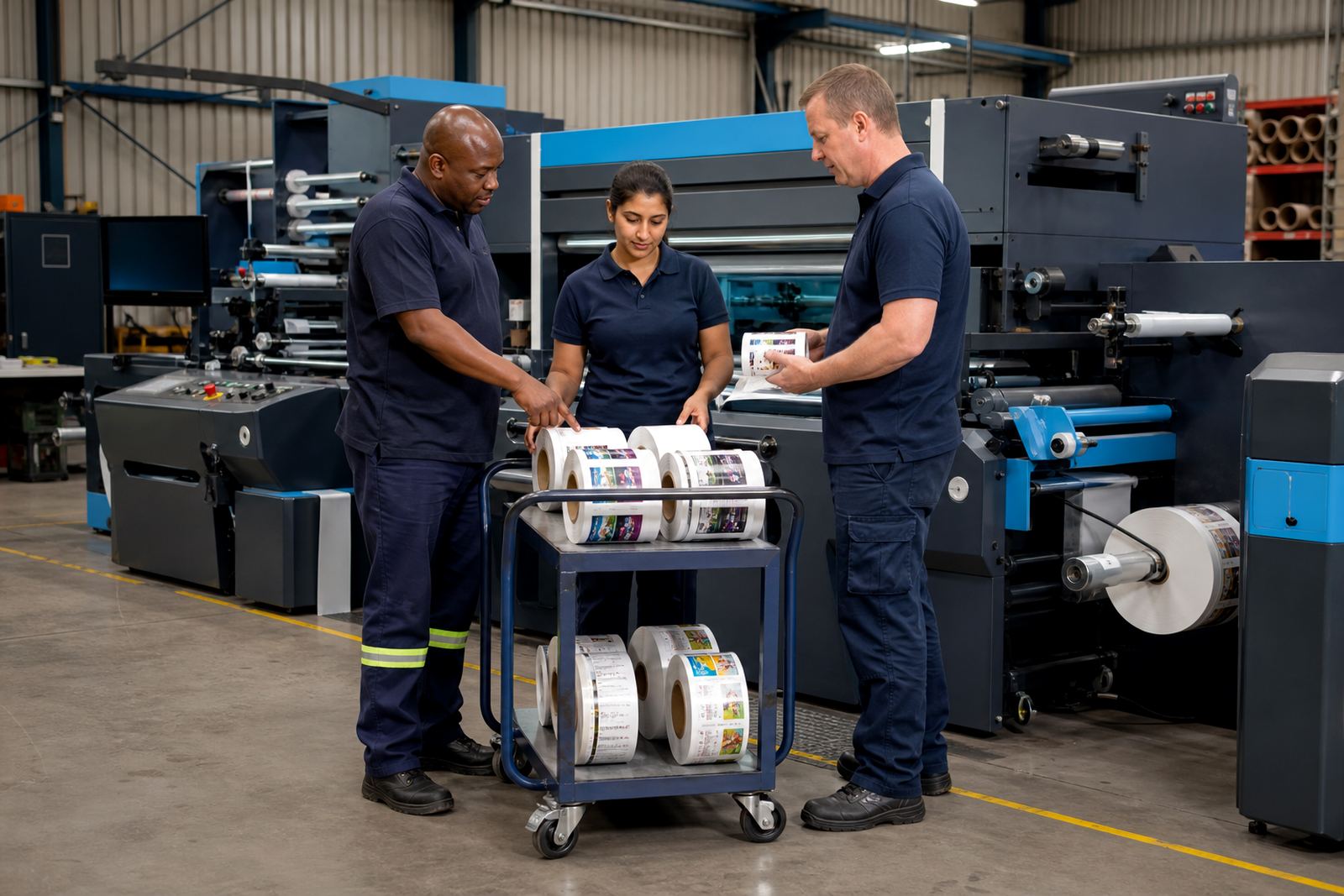
A finishing line takes printed rolls and turns them into sale-ready labels with the edges, spacing and roll format the pressroom needs. The work can include unwind control, lamination, varnish, die-cutting, matrix stripping, slitting and rewinding, all arranged to suit the material, adhesive and repeat length. On shorter runs, the settings must stay steady when the substrate changes from paper to film or from a light facestock to a heavier stock.

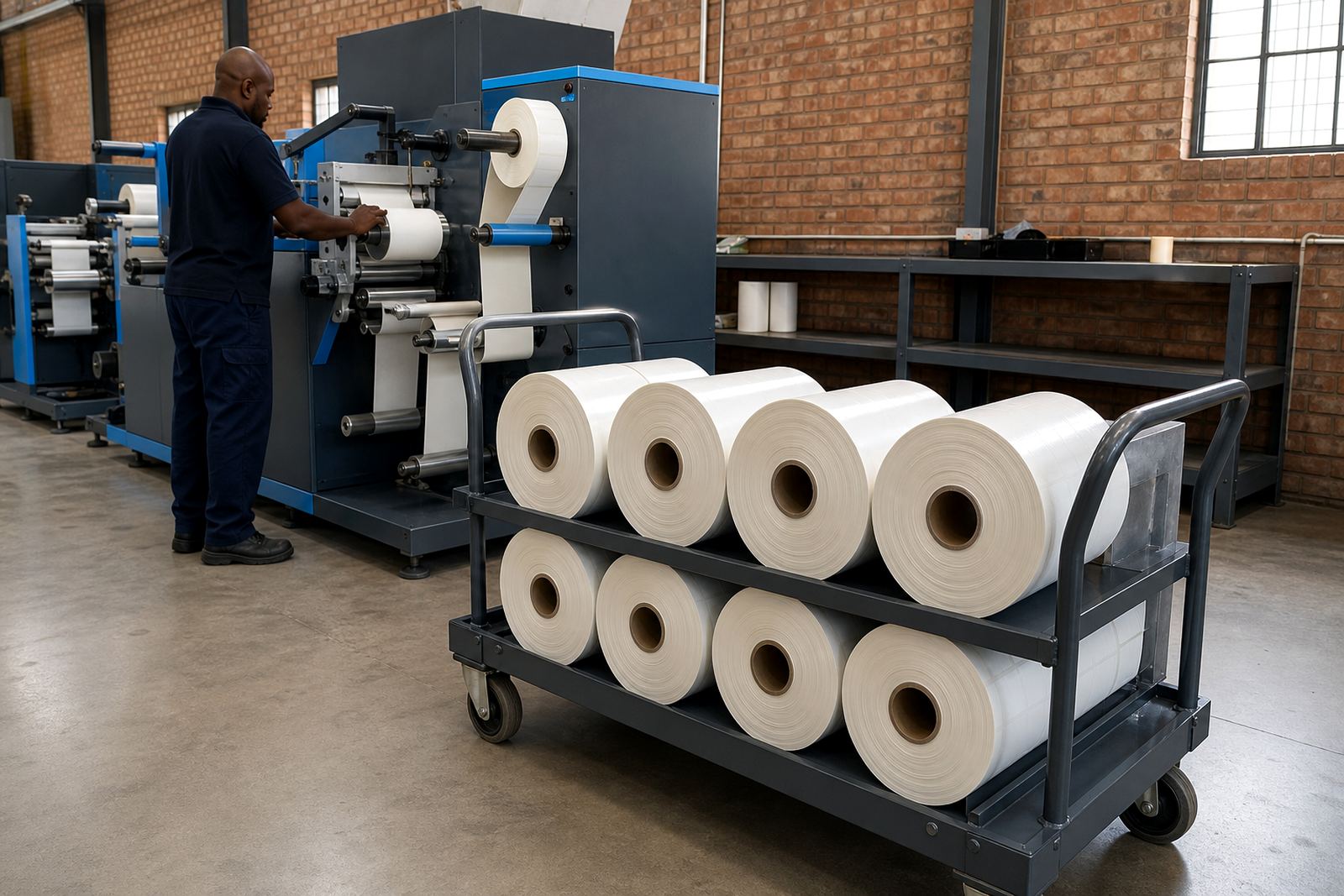
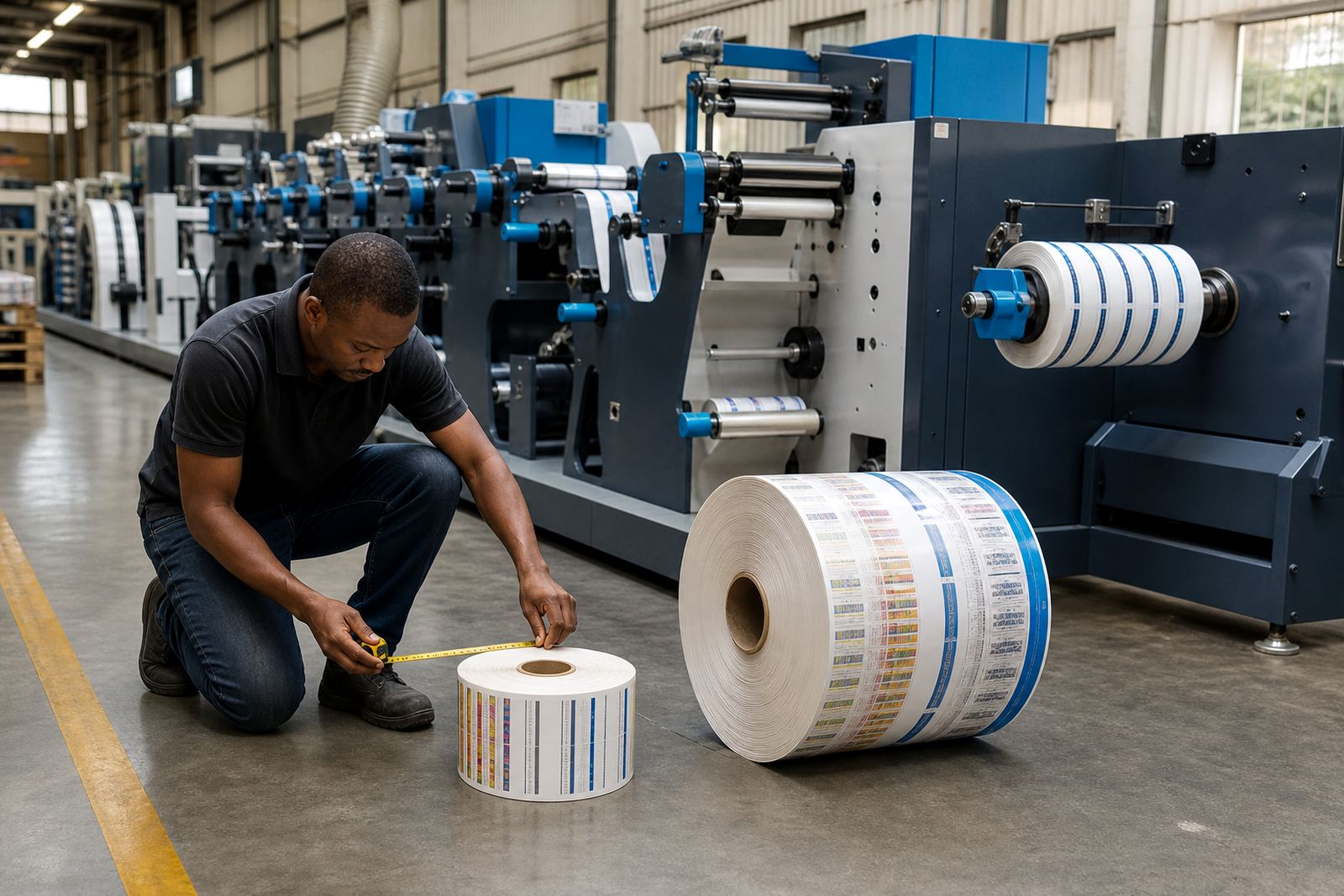
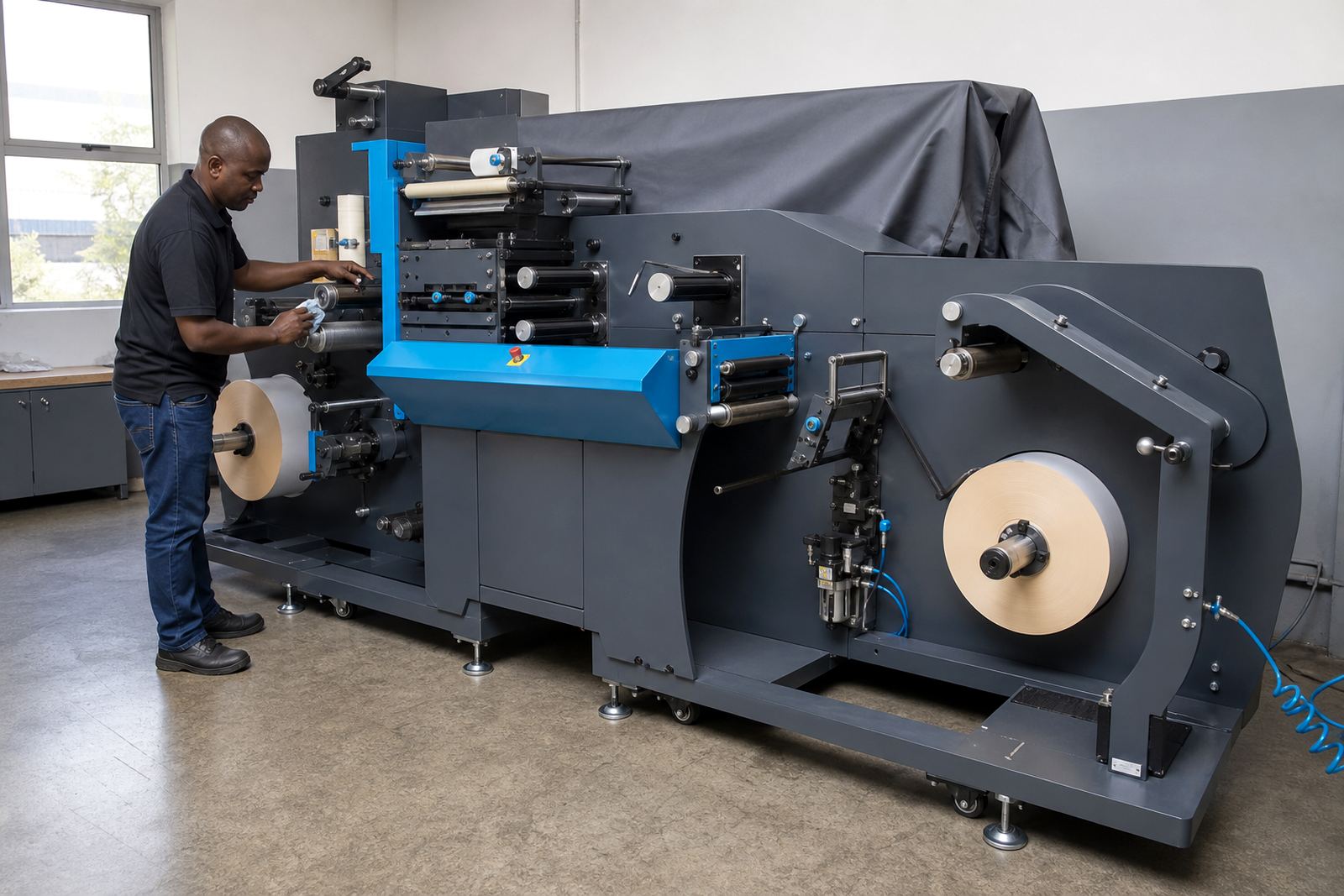
Roll width and outer diameter matter early. A 330 mm web behaves differently from a wider roll, and core size affects how the roll feeds, winds and stores. In humid coastal conditions, some films and liners also move differently through the machine, so the operator watches tension and edge control more closely than people expect.

Laser, semi-rotary and flexible dies in one conversation

Digital label finishing is not one fixed method. Laser cutting suits some short-run work and complex shapes, while semi-rotary die-cutting is often preferred where speed and repeat accuracy matter across longer production runs. Flexible dies still have a place where the label shape is repeated and the production pattern is settled.

  • Laser cutting handles detailed shapes and frequent artwork changes.
  • Semi-rotary cutting suits repeat jobs with tighter line control.
  • Flexible dies stay practical where a stable repeat is already in use.
  • Artwork, substrate and adhesive all influence the final choice.

The better option depends on waste, tooling, changeover time and the amount of finishing the line must do in one pass.

Registration marks do more than mark the artwork

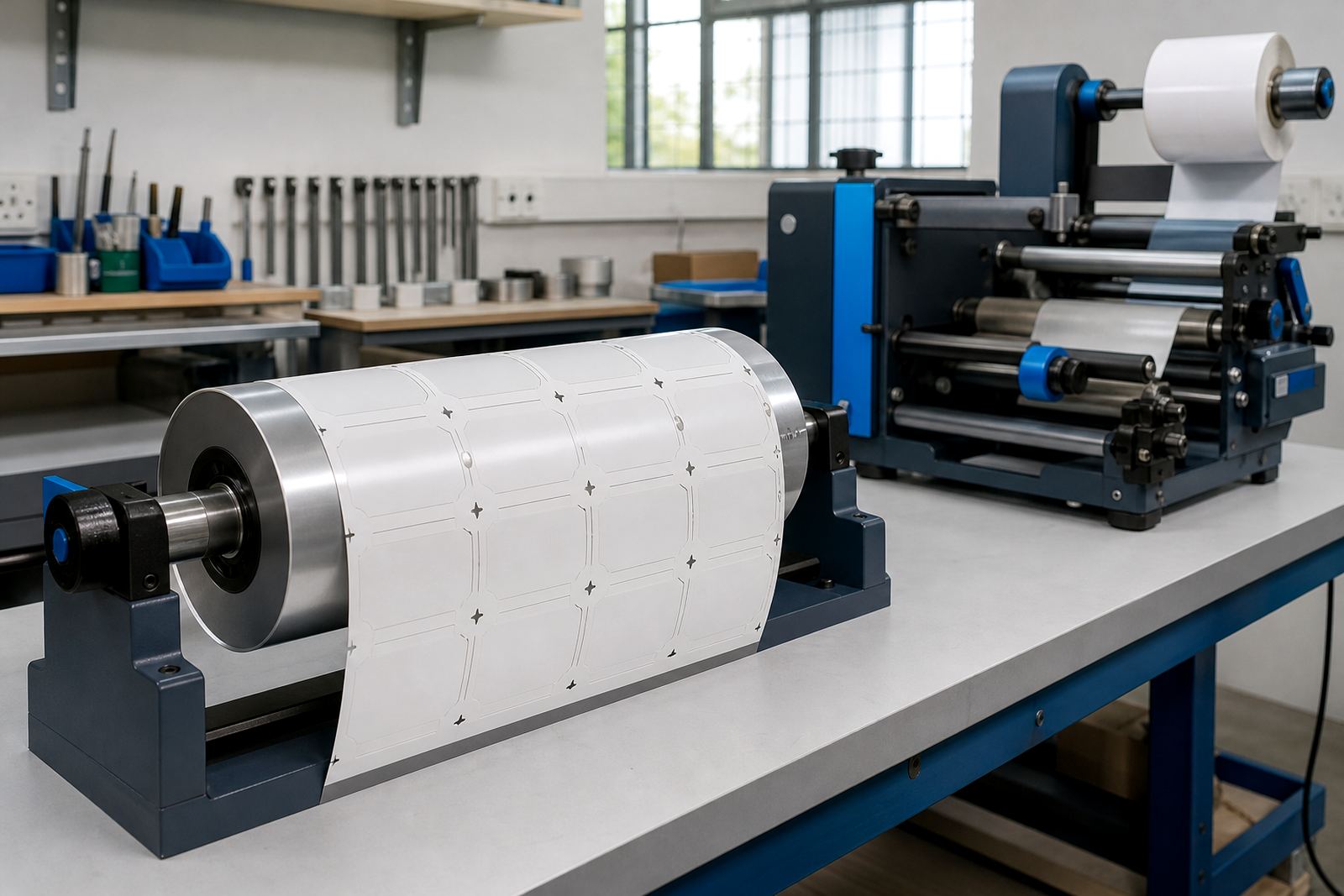
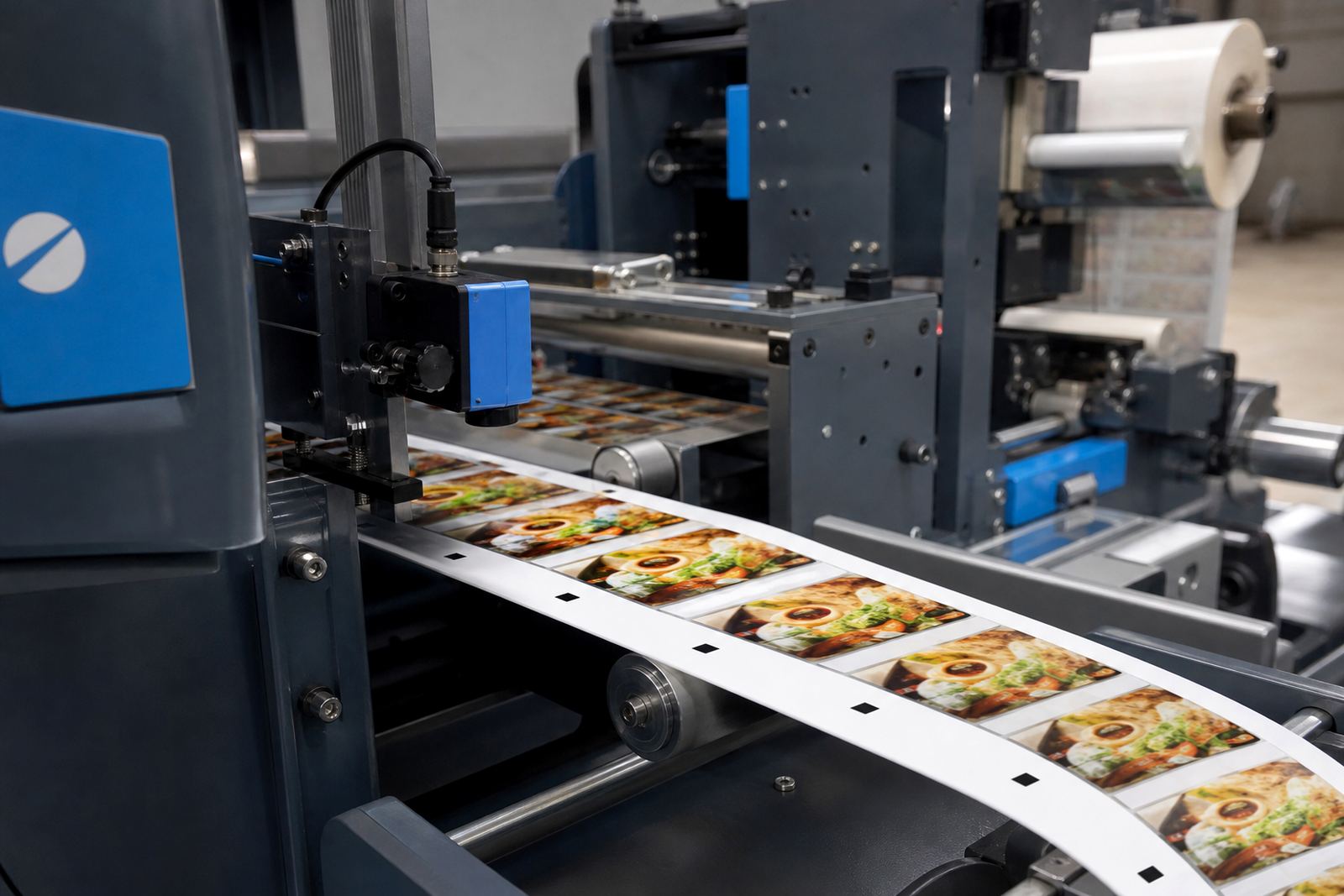
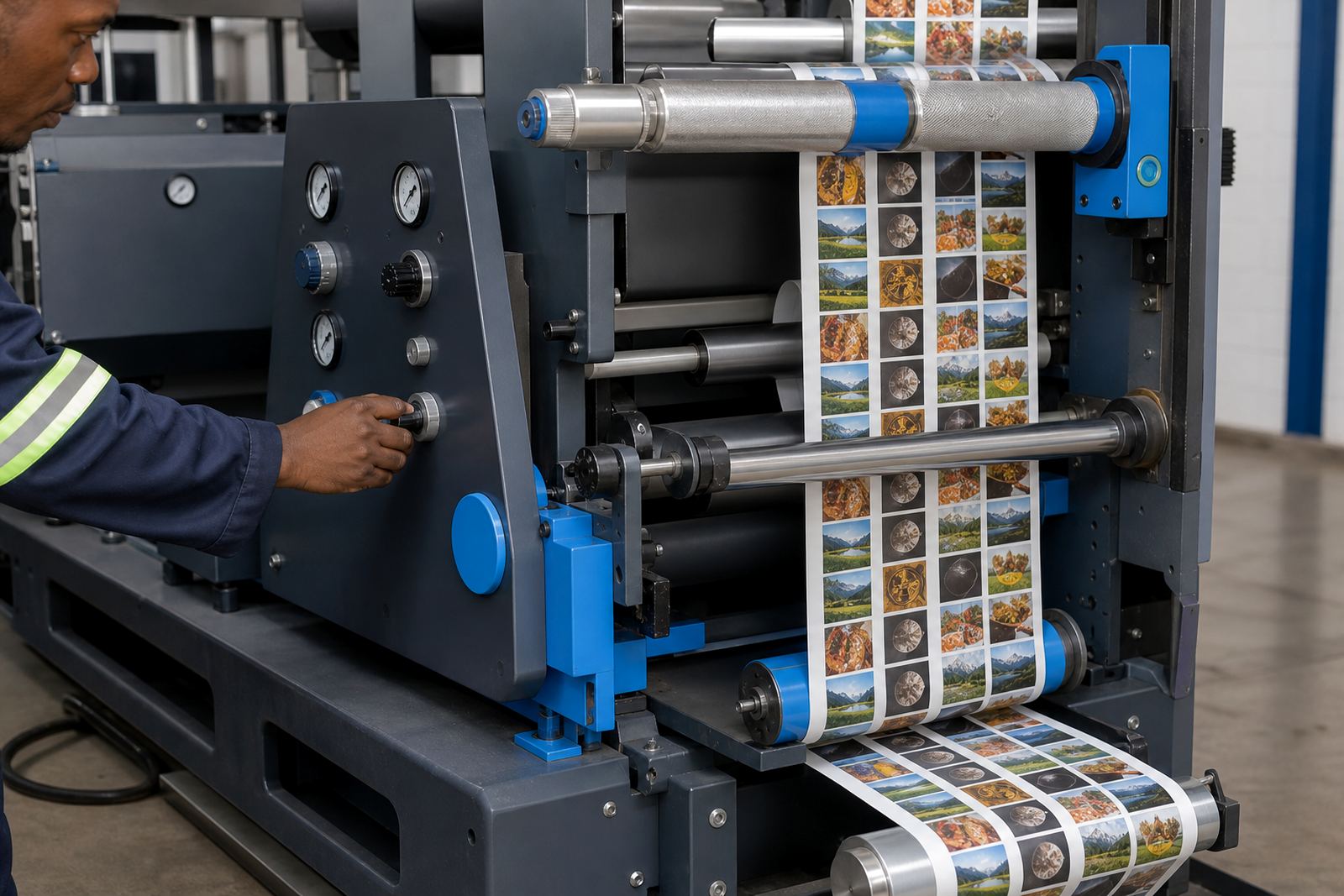
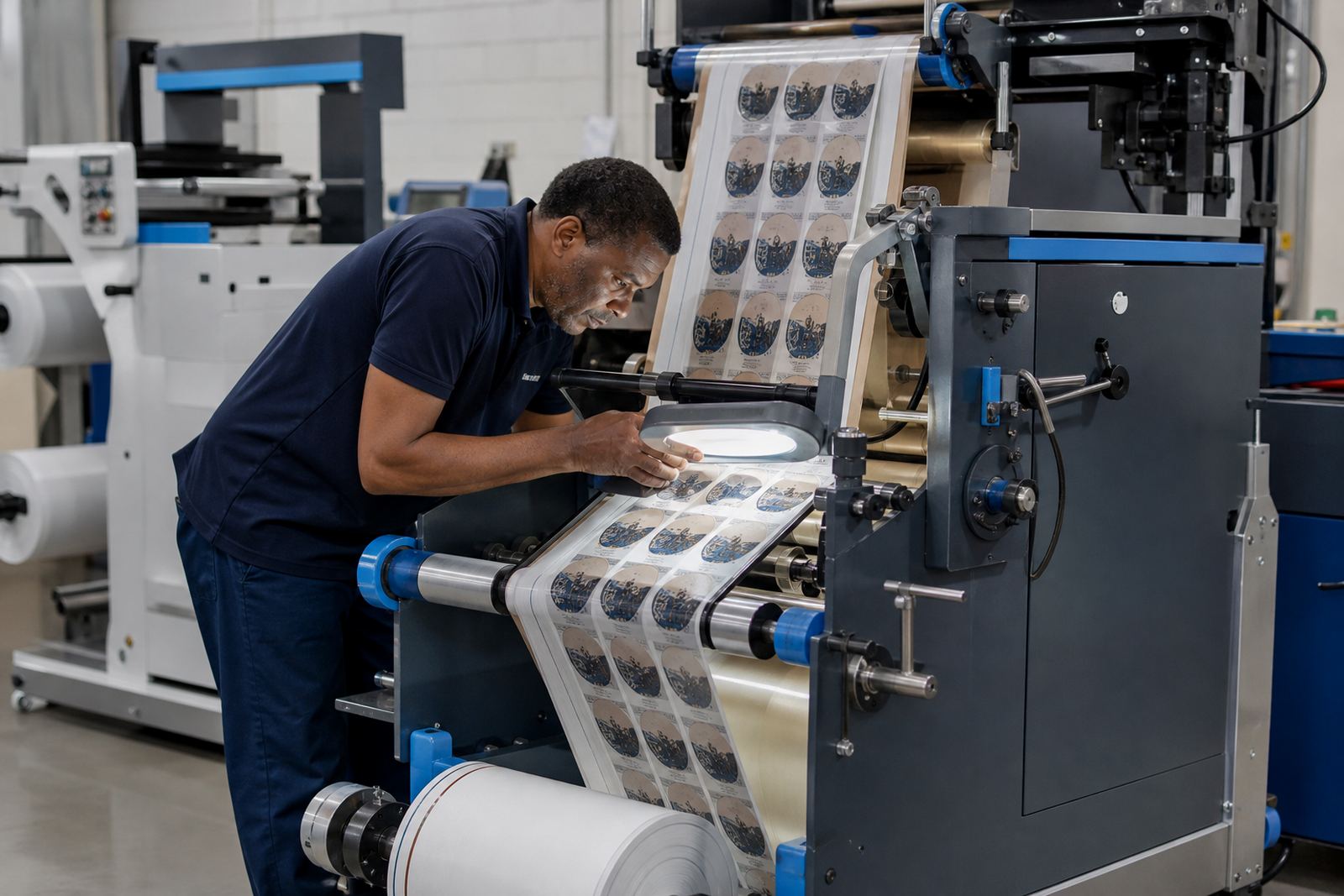
Registration marks are the reference points that let the machine keep cutting where the print image says it should. If the printed web drifts, the cut drifts too and the label shape starts to sit off-centre or clip into the image. That is where registration calibration earns its place, especially on jobs with small labels or tight margins.

Good calibration starts with the print and the finishing line speaking the same language. The sensor must read the mark clearly, the tension must remain even and the web path must stay clean. Small faults can show up as a wandering cut, a shifted slit or a rewind that builds with a slight edge fold.

When lamination and varnish need to sit in the same pass

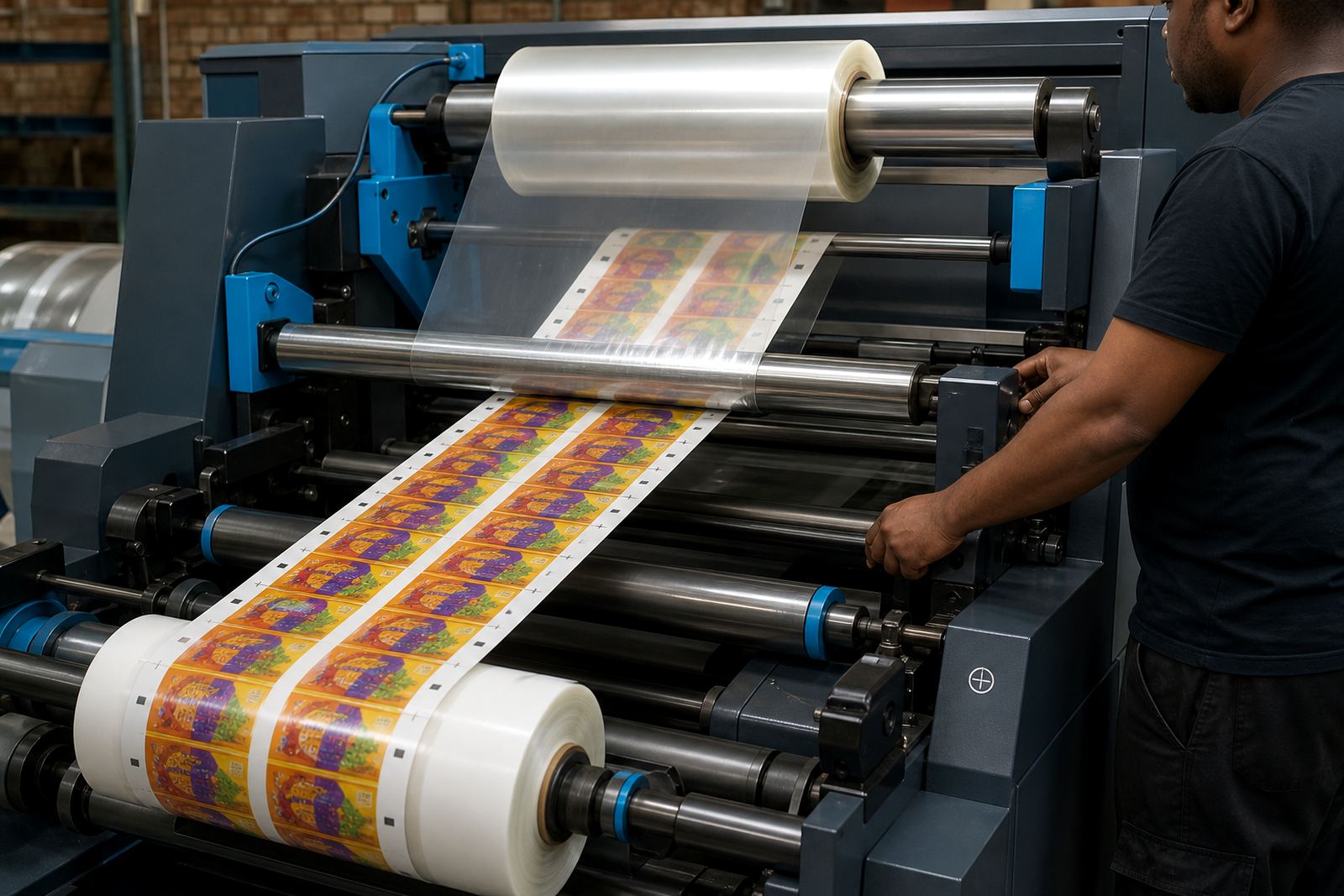
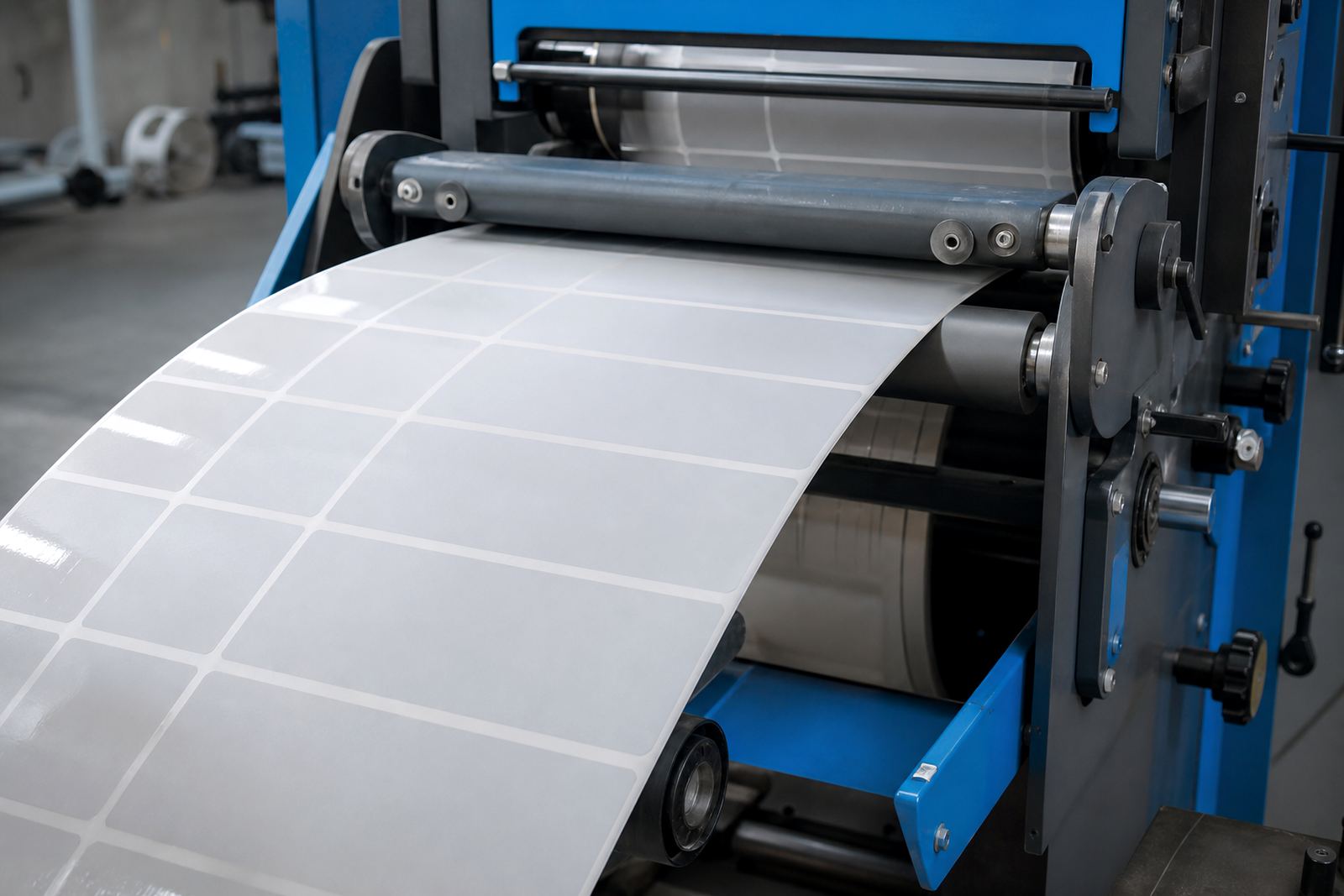
Lamination protects the face stock and can change the feel of the label surface, while varnish is used when the print needs a finish without a full film layer. The line must hold the web flat enough for each layer to line up. If the film traps air or the varnish coats unevenly, the cut and slit stages will carry that fault forward.

  • Clear film can improve scuff resistance on handled packs.
  • Varnish may be the neater choice for a lighter finished feel.
  • Heat, pressure and web tension must suit the stock in use.
  • Adhesive behaviour can shift after coating, so testing matters.

Operators often look at whether a job needs a single pass or whether the print and finish steps should be split for better control.

Waste stripping, slitting and rewind setup are where many jobs are won

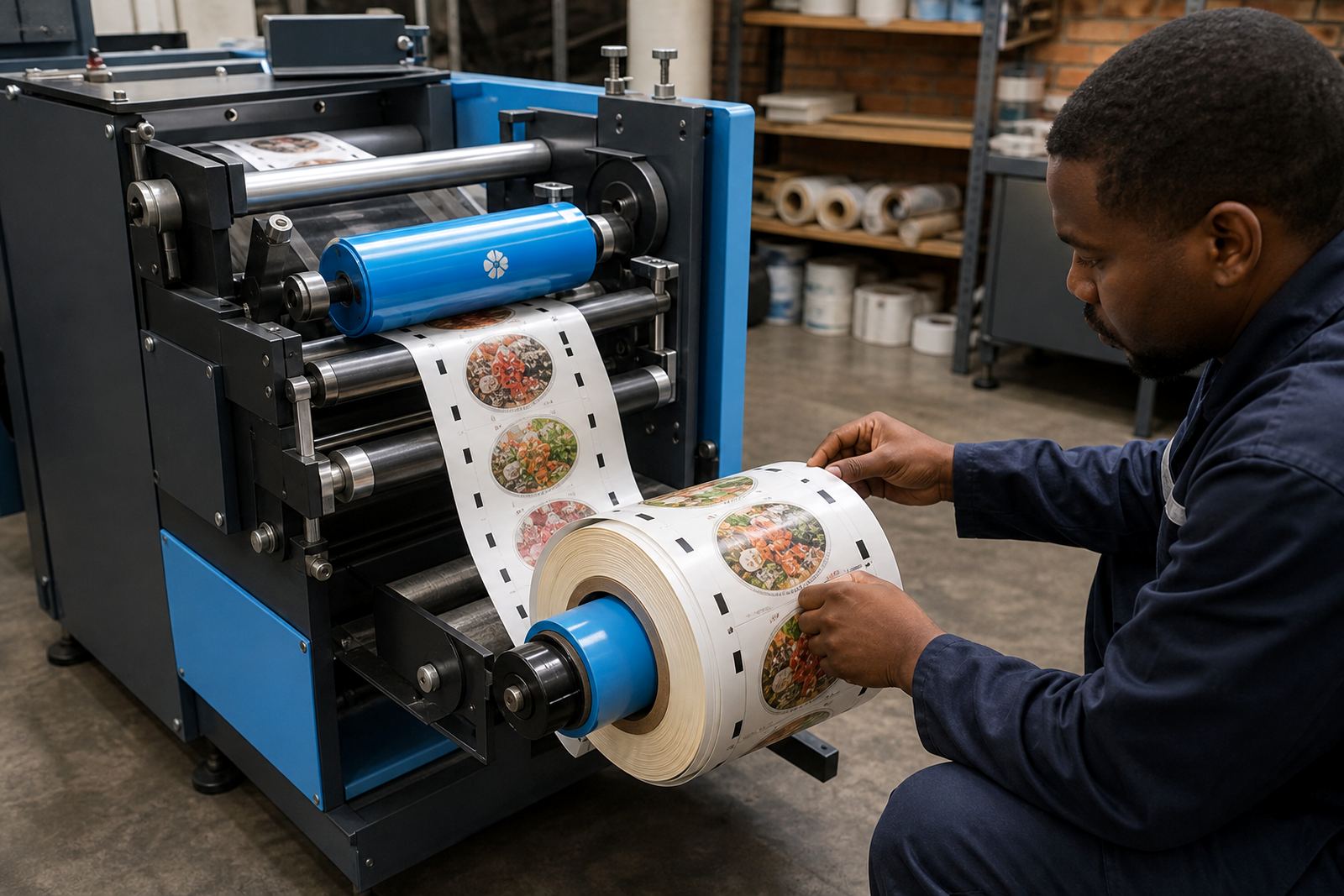
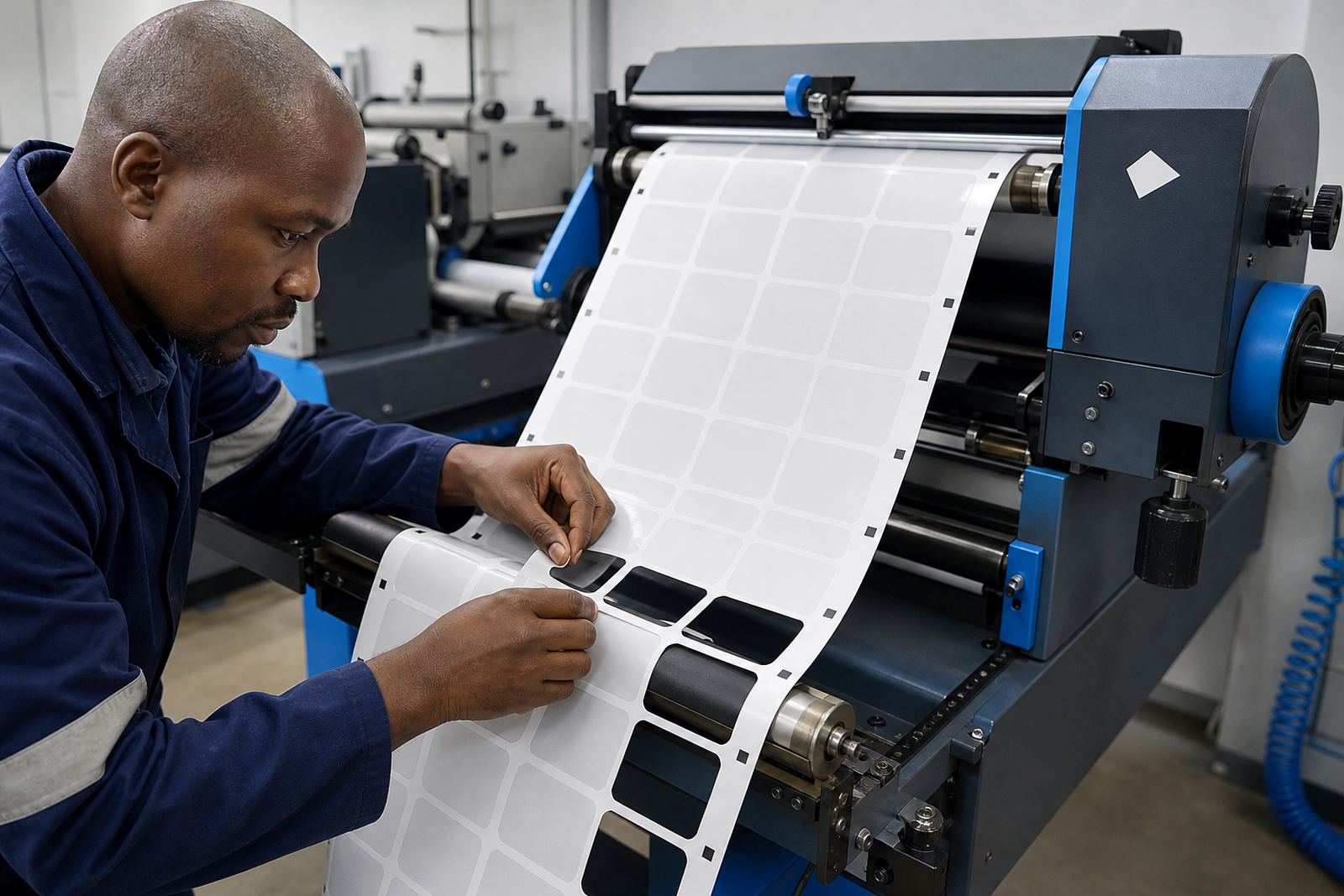
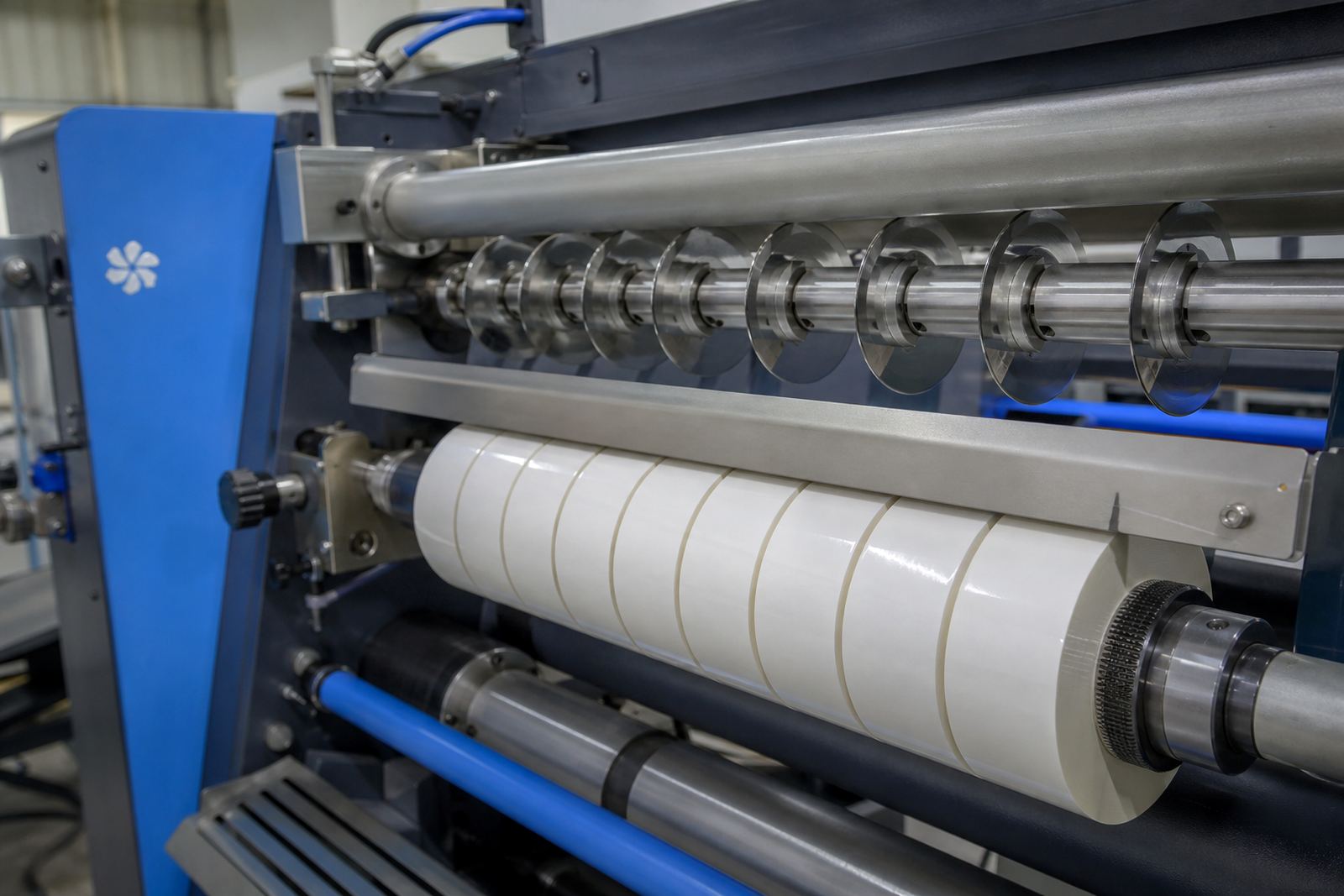
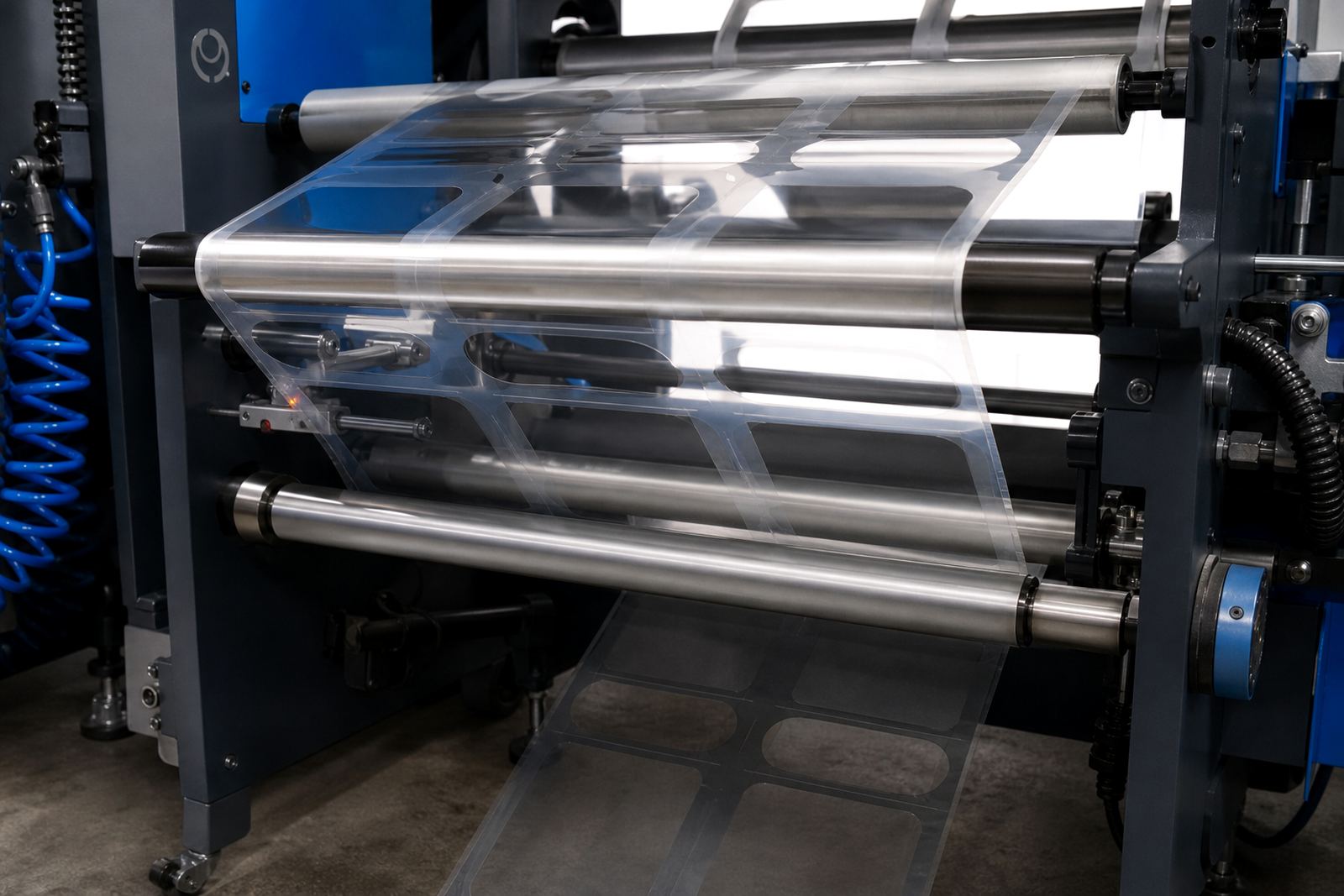
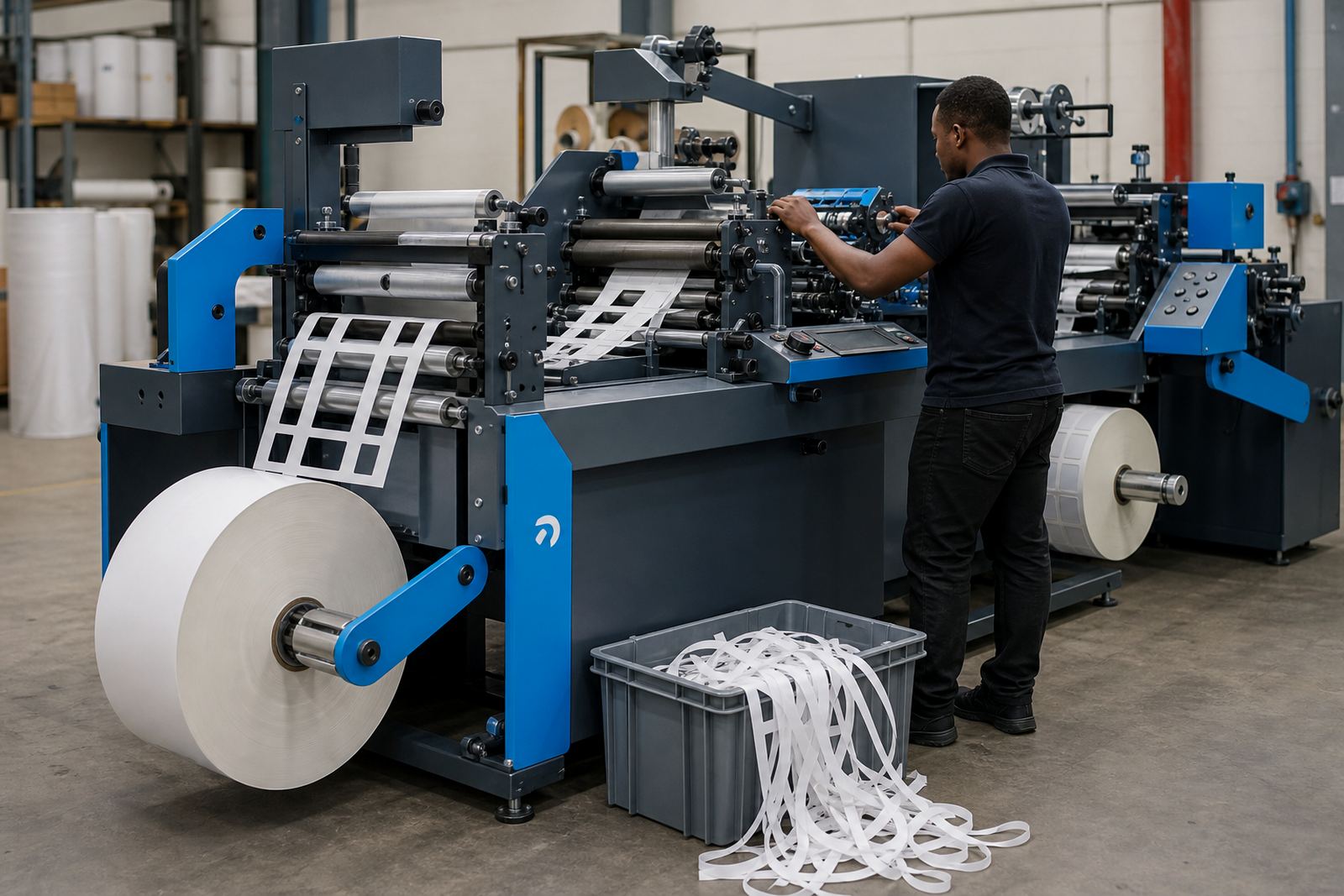
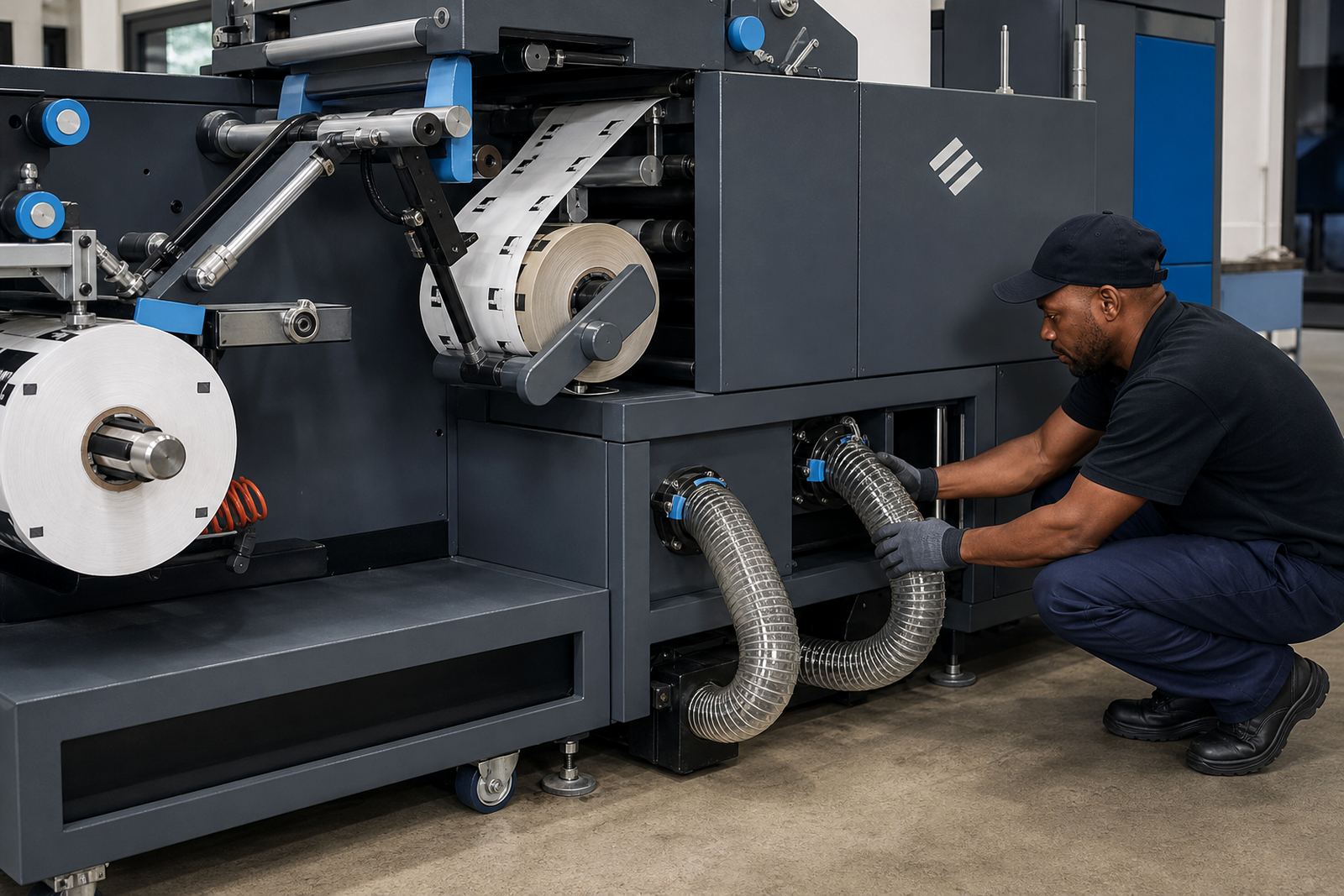
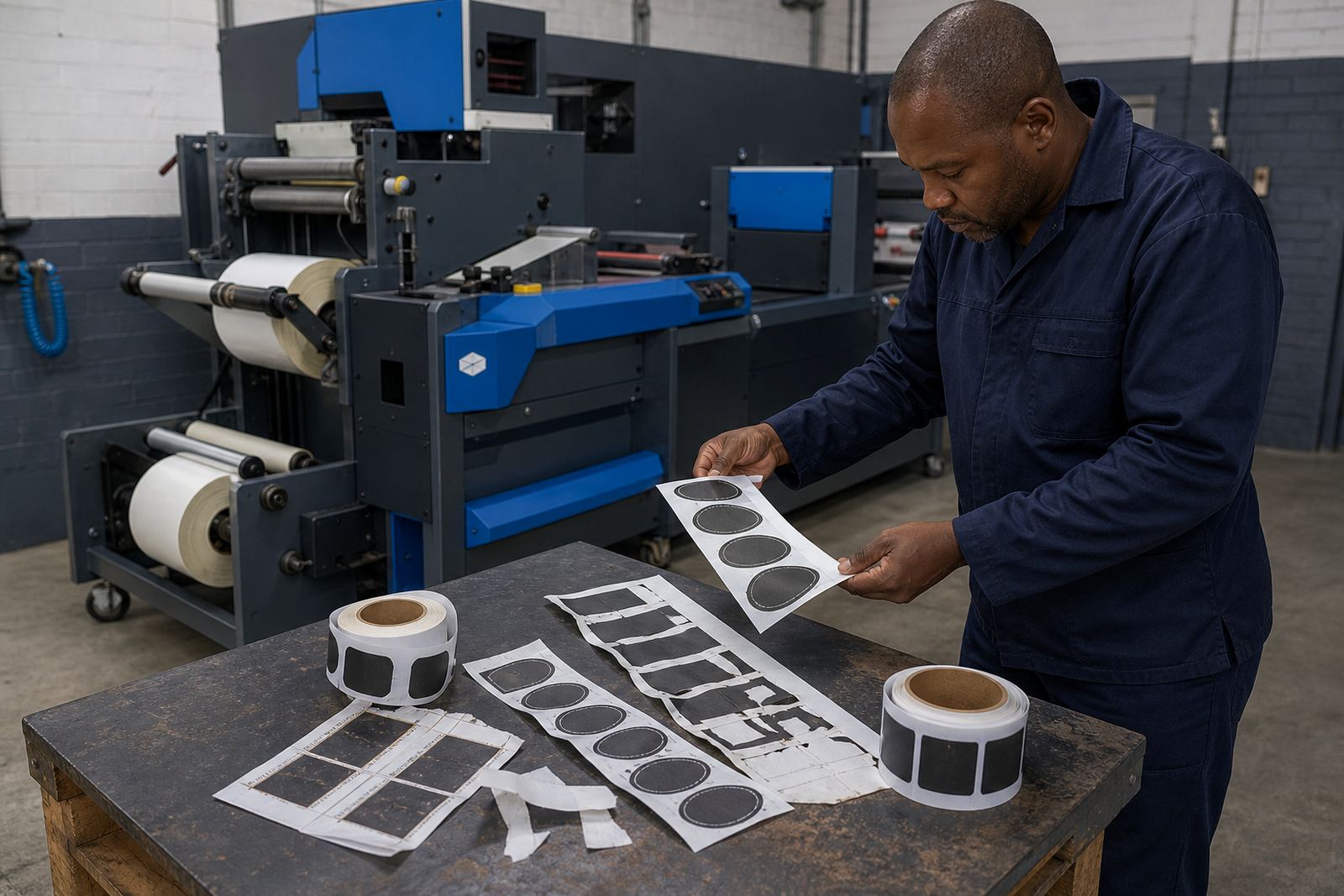
Matrix stripping removes the unwanted web around the label shape, but it only works cleanly when the cut depth, label gap and tension are all in balance. Slitting then divides the web into narrower lanes, and rewind setup keeps those lanes tight enough for packing, storage and downstream use. If any one of those steps is off, the roll can telescope, curl or loosen at the edge.

A useful setup usually starts with the widest stable web and then narrows the lanes as needed. Operators watch edge trim, roll density and the way the cores take up the finished material. On packaging work, that detail saves time at the applicator and reduces sorting on the pack line.

Picking a line against your real job mix

Many buyers are comparing more than one machine shape at once. A finishing line for boutique label work will not look the same as a line built for contract packaging jobs, mixed materials and longer reels. The right choice depends on artwork turnover, roll size, substrate range and how often the production team changes from one job to the next.

  • Short runs and frequent artwork changes call for faster setup control.
  • Longer runs favour steady tension and repeatable cutting behaviour.
  • Mixed substrates need better operator visibility and cleaner web handling.
  • Packaging producers often look closely at slit width and rewind quality.

For teams in Johannesburg, Pretoria, Durban, Cape Town and Gqeberha, the practical question is usually not which machine sounds smartest. It is which setup will keep labels accurate, rolls neat and the next stage of production calm.

Finishing machine questions

What does a digital label finishing line usually do?

It takes printed rolls through lamination, cutting, waste removal, slitting and rewinding, then leaves the labels in the roll format needed for packing or application.

When does semi-rotary cutting make sense?

It suits repeat jobs where the print pattern stays stable and the team needs accurate cutting at a steady production pace.

Why do registration marks matter so much?

They give the machine a reference point, so the cut stays aligned with the printed artwork even when the web moves through the line.

Still cutting labels on a flatbed? Send us your roll width and job sizes.

Contact form