


Where the finishing line starts to matter
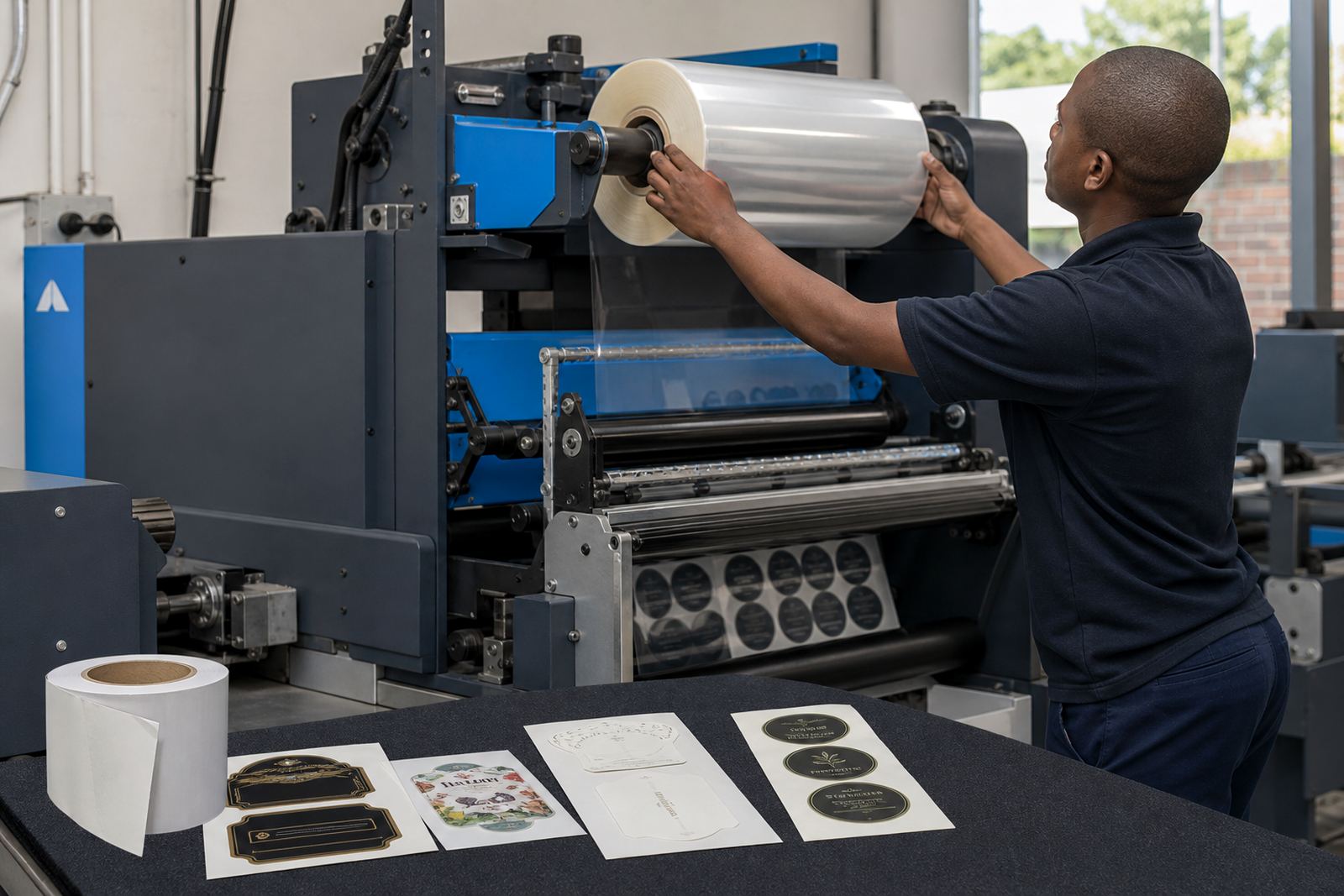
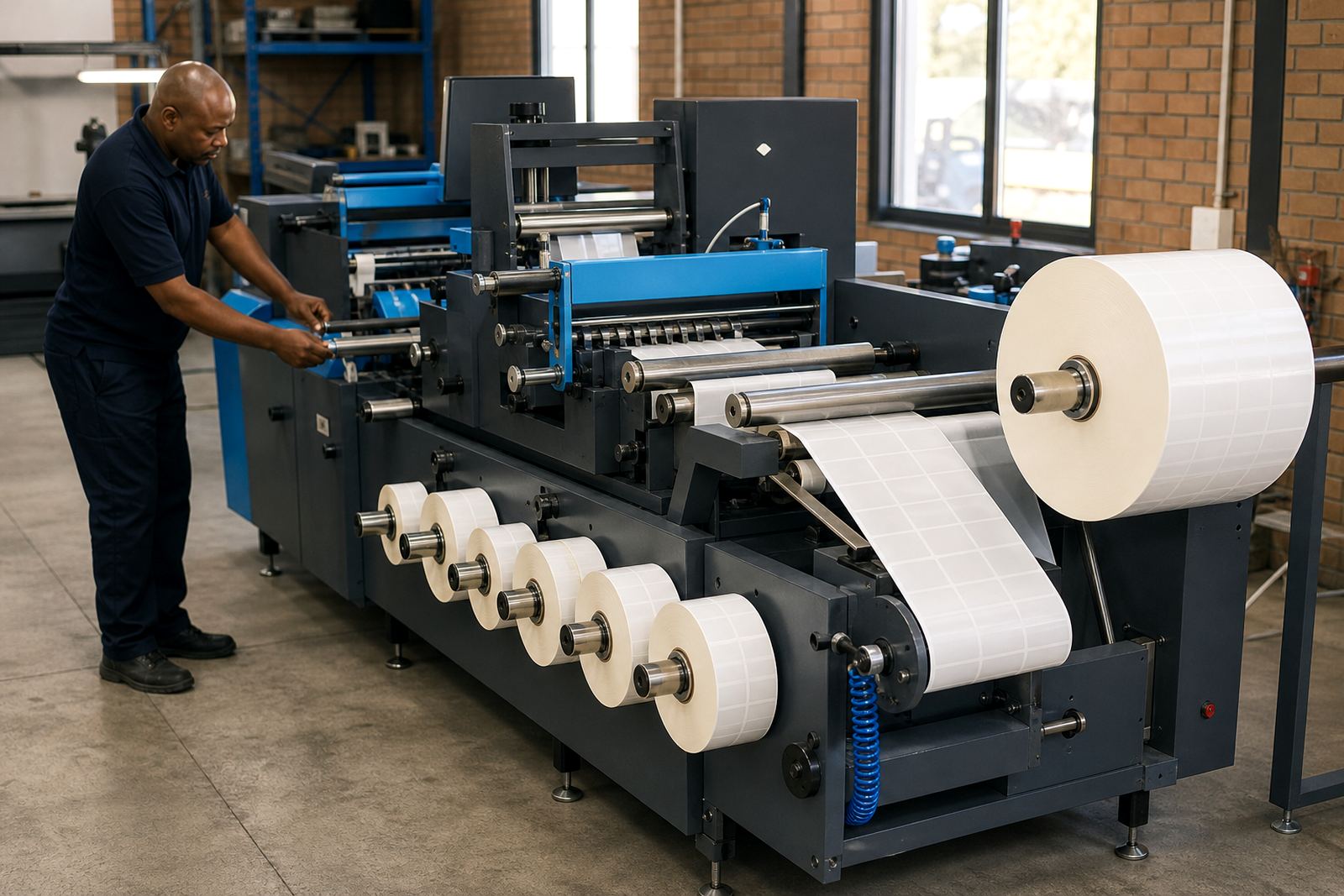
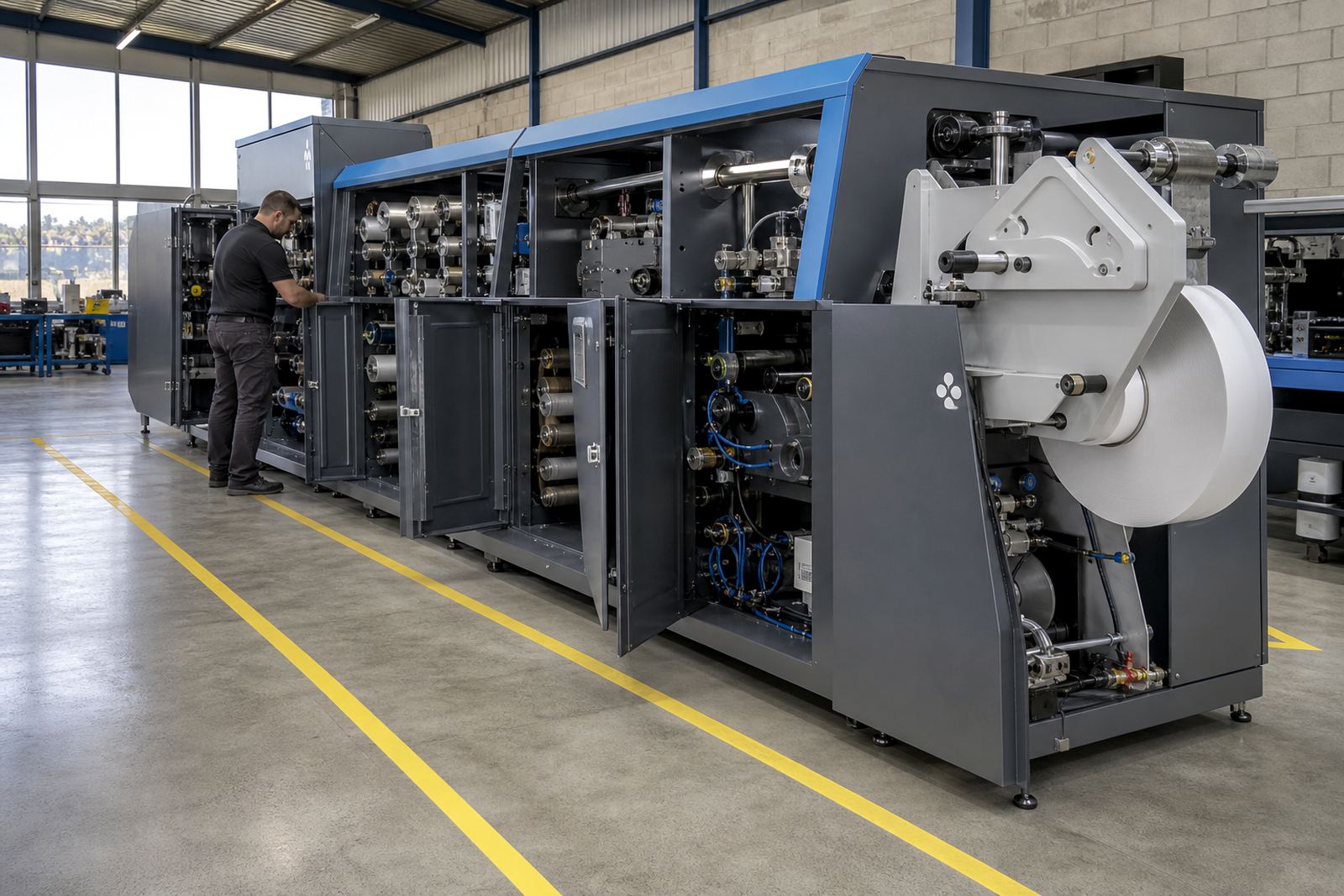
Digital label finishing is not only about cutting a shape. A proper line has to unwind cleanly, hold register through print variation, add laminate or varnish where needed, cut without tearing, strip waste, then slit and rewind into rolls that move well on the next stage. That is the point where the machine choice starts to affect waste, setup time and how often operators have to stop and adjust.
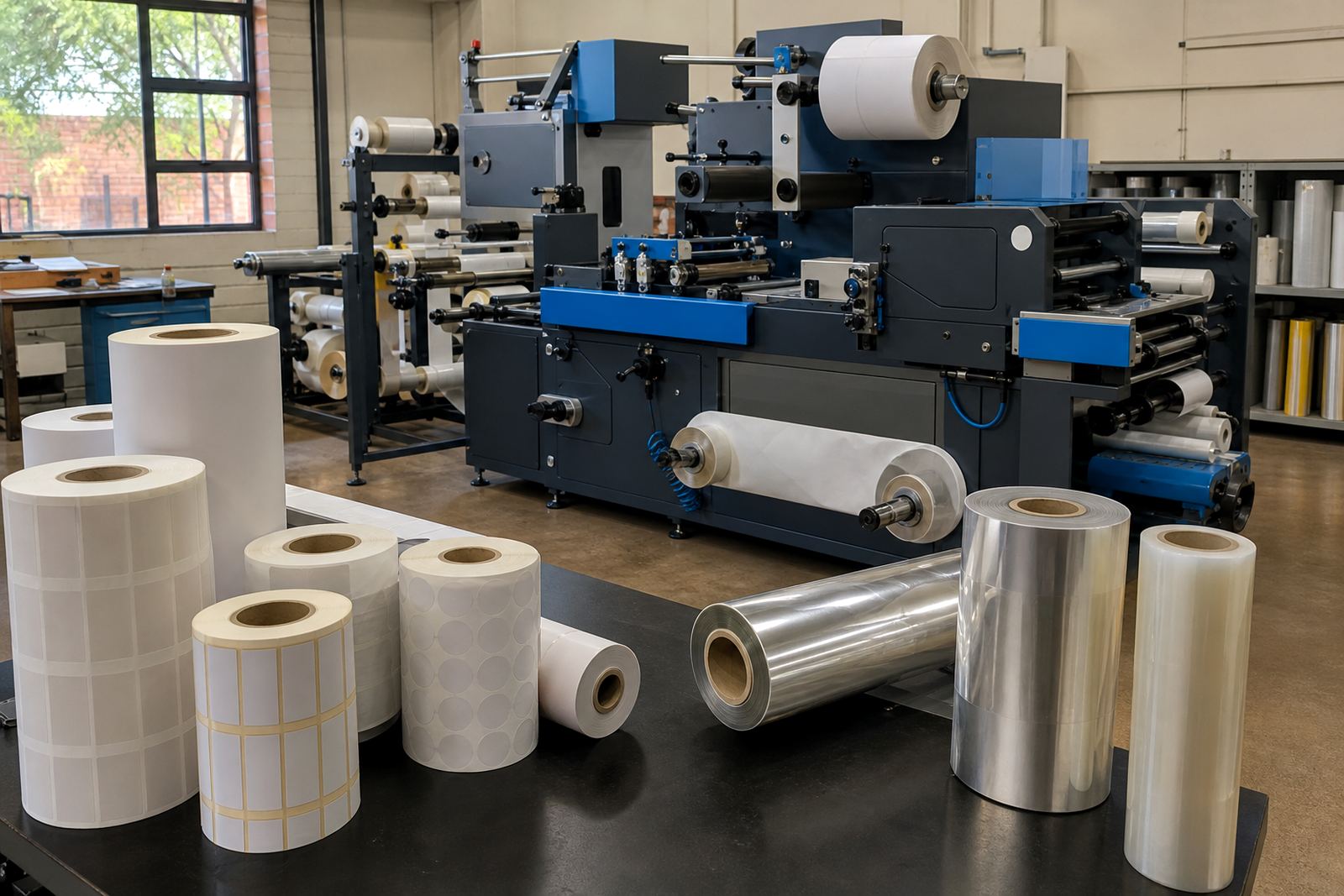
For label printers and packaging producers, the right guide depends on the label stock, the roll width, the core size and whether the job uses white, clear or textured material. The finishing method must suit the print image and the way the rolls are handled in the shop floor.
Cutting methods that come up in real production
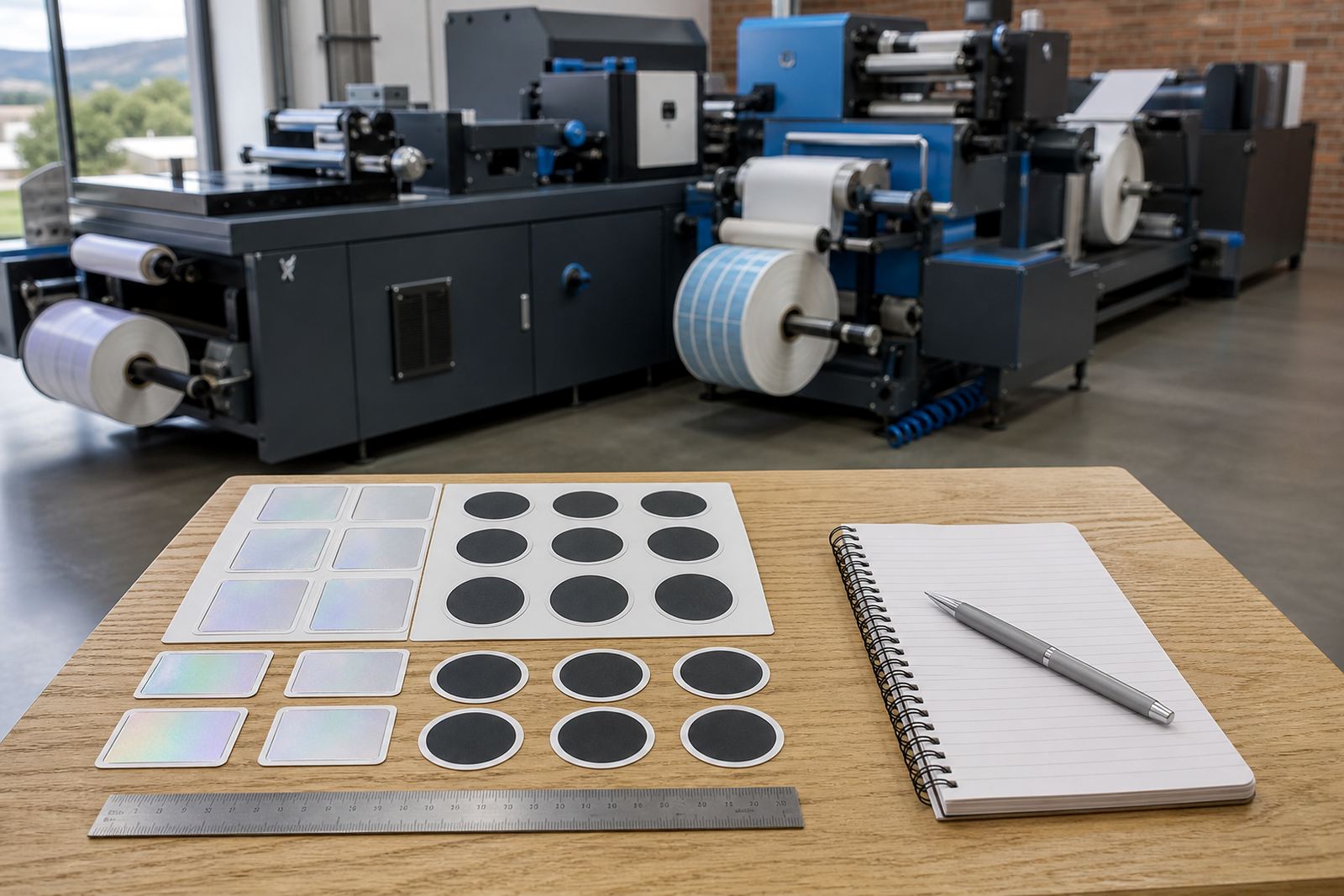
Most buyers compare laser cutting, semi-rotary die-cutting and flexible dies because each one suits a different mix of work. Laser suits intricate shapes and short runs with frequent artwork changes. Semi-rotary systems work well where changeovers matter and the line must keep moving. Flexible dies are still useful where repeat jobs and consistent shapes carry most of the volume.
- Laser cutting suits detailed shapes and variable artwork.
- Semi-rotary cutting helps when repeat setup is frequent.
- Flexible dies work well for established label shapes.
- Cut depth and kiss-cut control matter on lighter face stocks.
Registration, laminate and varnish need to stay in step
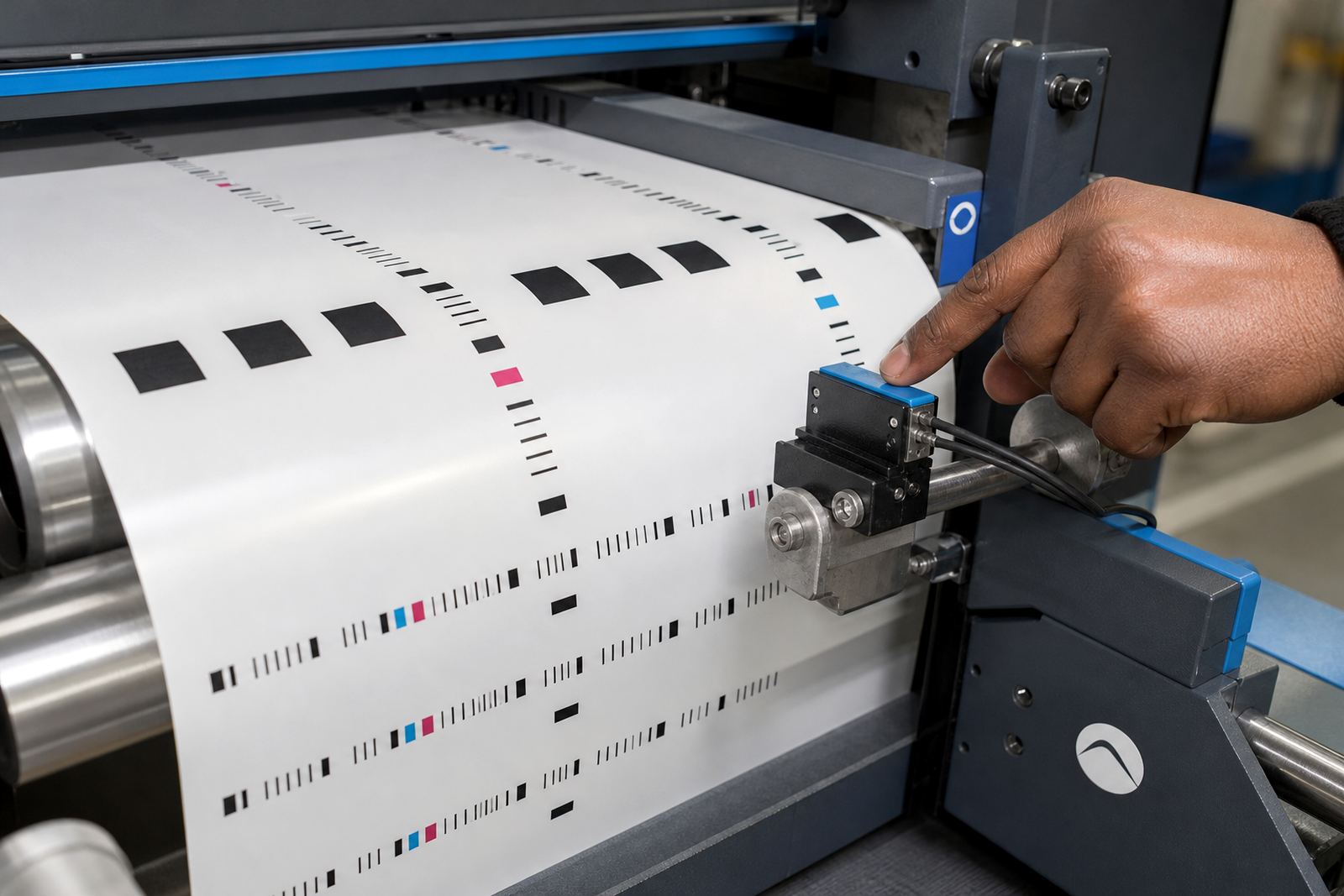
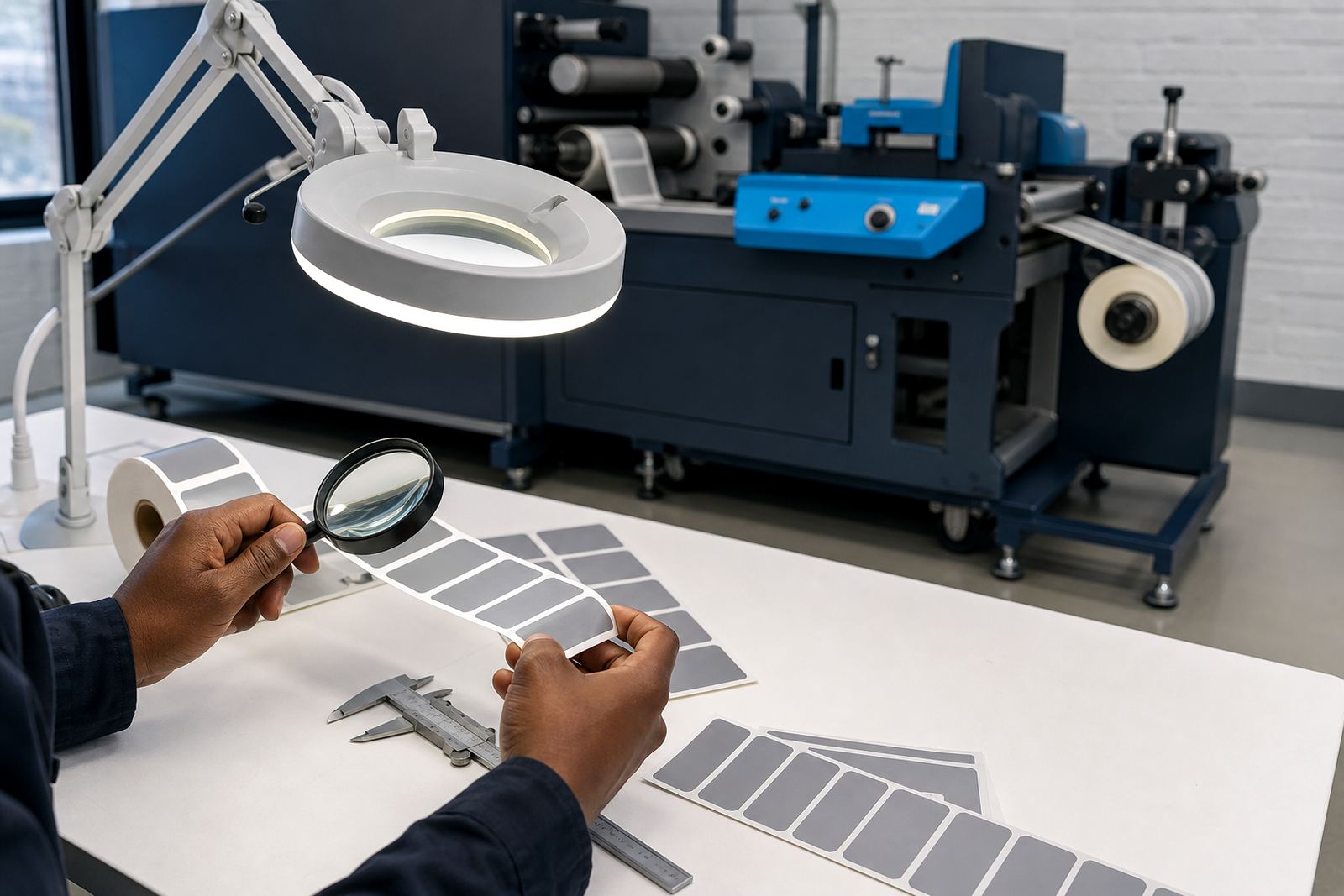
Register marks guide the cut position, especially where print layouts shift slightly from roll to roll. If the registration is loose, the finished label can miss the edge or cut into the artwork. Lamination and varnish change the surface and the stiffness of the web, so the finishing path has to keep tension steady and the sensors clean.
When the line includes overlaminate, spot varnish or a protective film, the guide should look at how those layers affect adhesion and cutting depth. A narrow label on a wide web behaves differently from a full-bleed wraparound job and the machine setup needs to account for that.
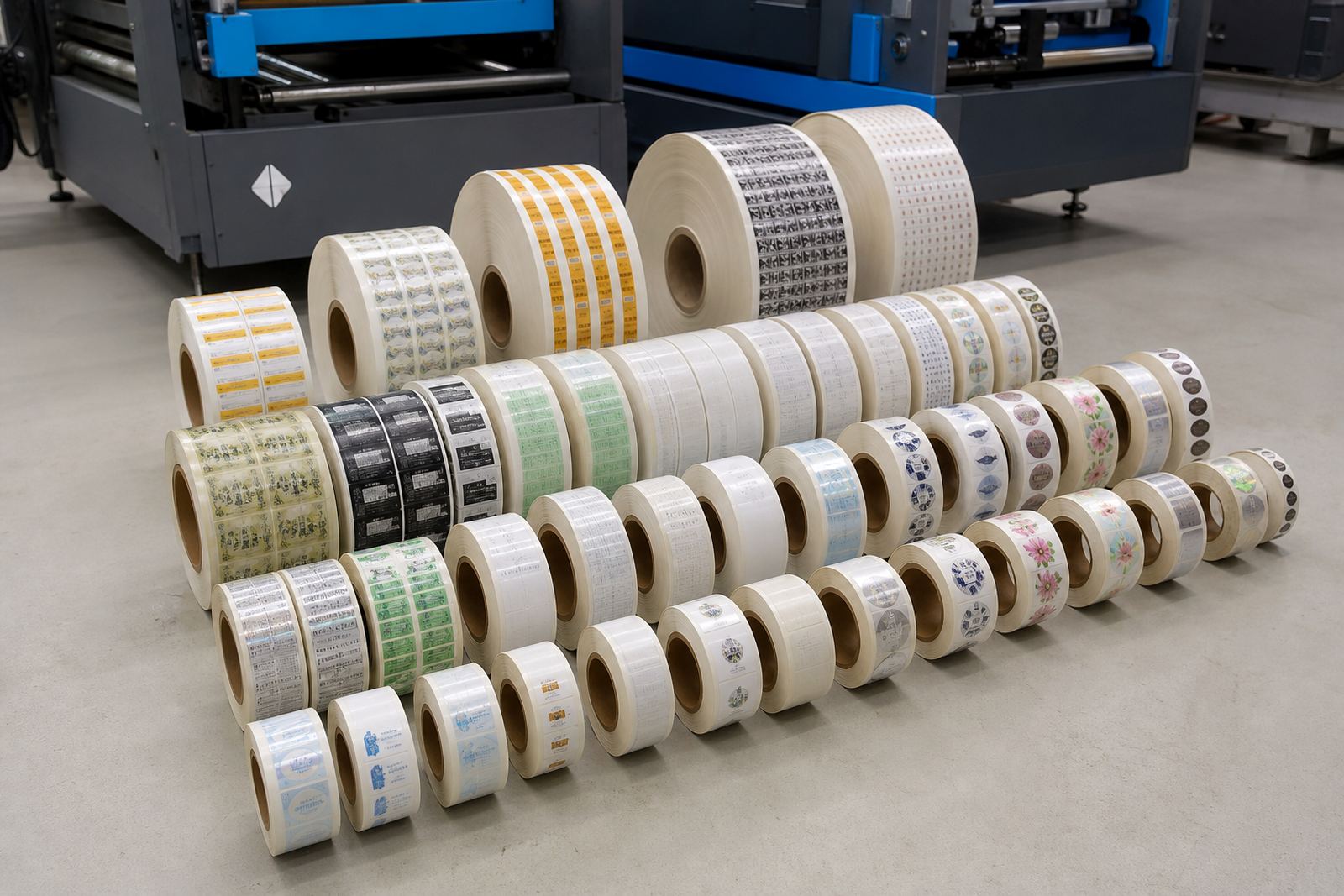
Roll sizes, slit widths and rewind behaviour
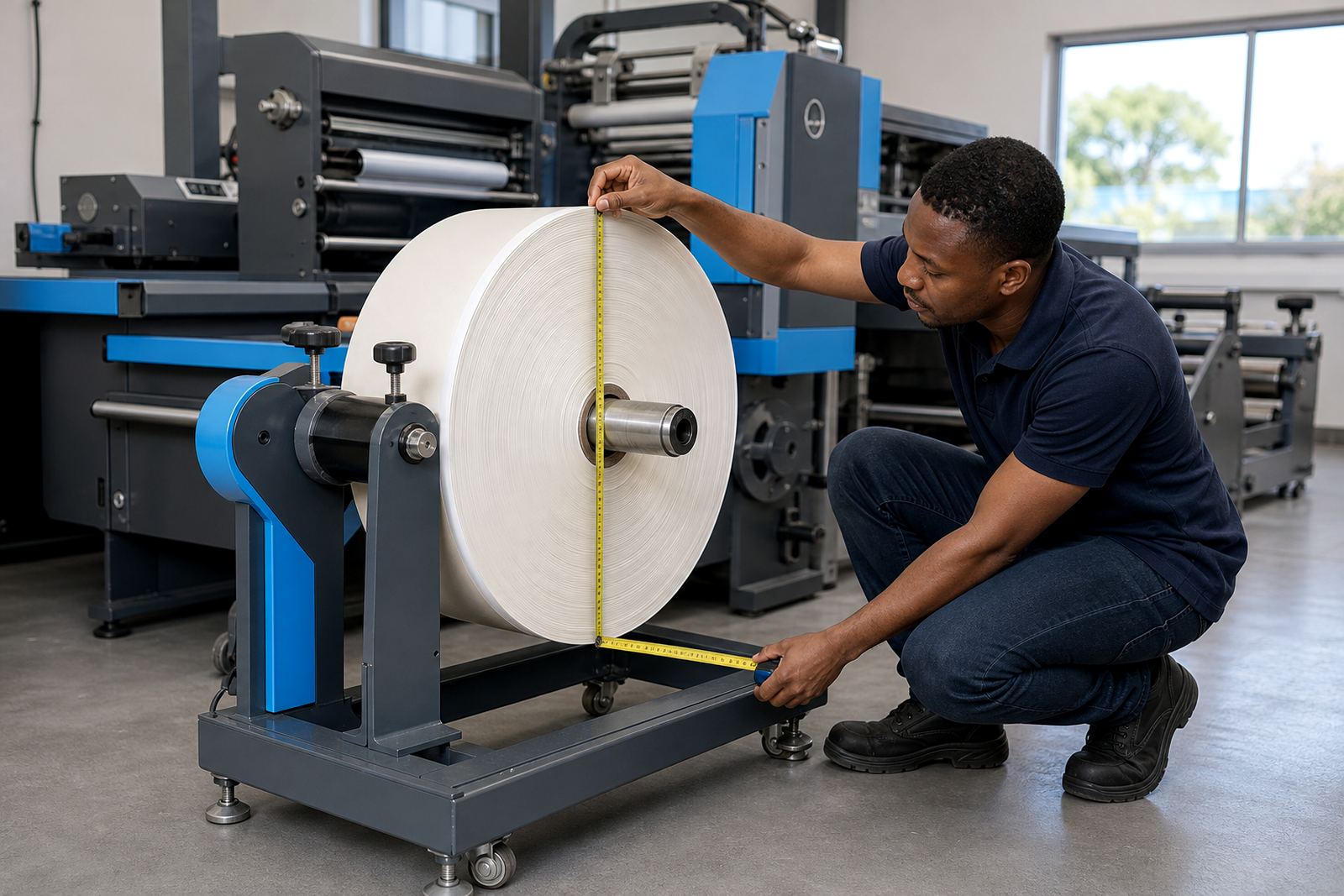
Roll size is one of the first practical checks because it affects handling, storage and downstream use. A line that is happy with small rolls may behave very differently on wider parent rolls or heavier reels. Slitting and rewinding also need enough control to keep edges clean, especially when the stock is thin or when the label face is sensitive to dust and static.
- Parent roll width must suit the press output and finishing path.
- Core sizes should match the customer’s handling method.
- Slit widths must stay consistent for packing and application.
- Rewind tension should suit light films and paper face stocks alike.
What operators usually need from the machine
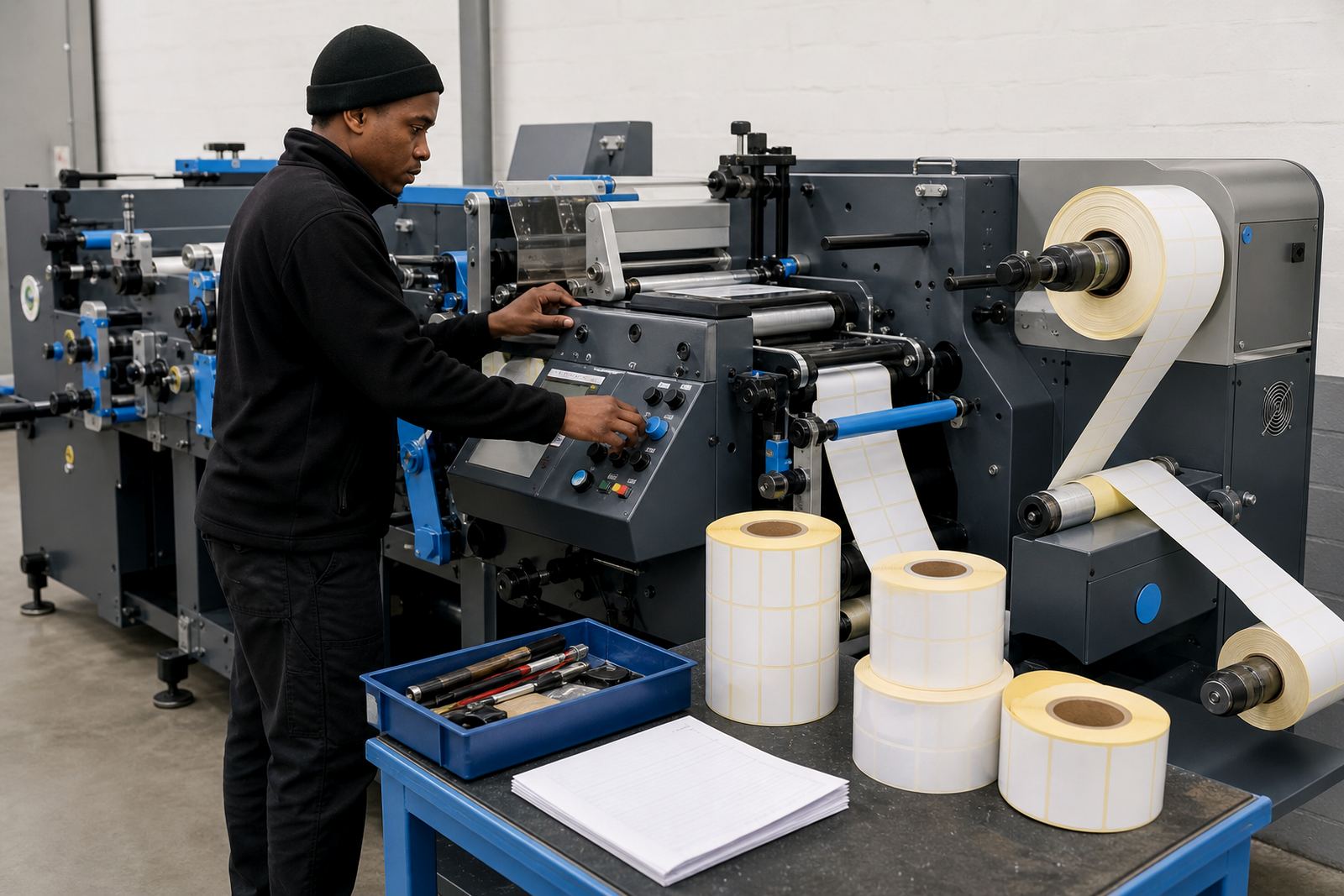
A sound guide should help teams think past the brochure. Operators need clear web access, sensible setup controls and a layout that makes die changes or blade adjustments workable. In a busy shift, small details such as threading, waste take-up and sensor access can decide whether a job runs neatly or keeps calling for attention.
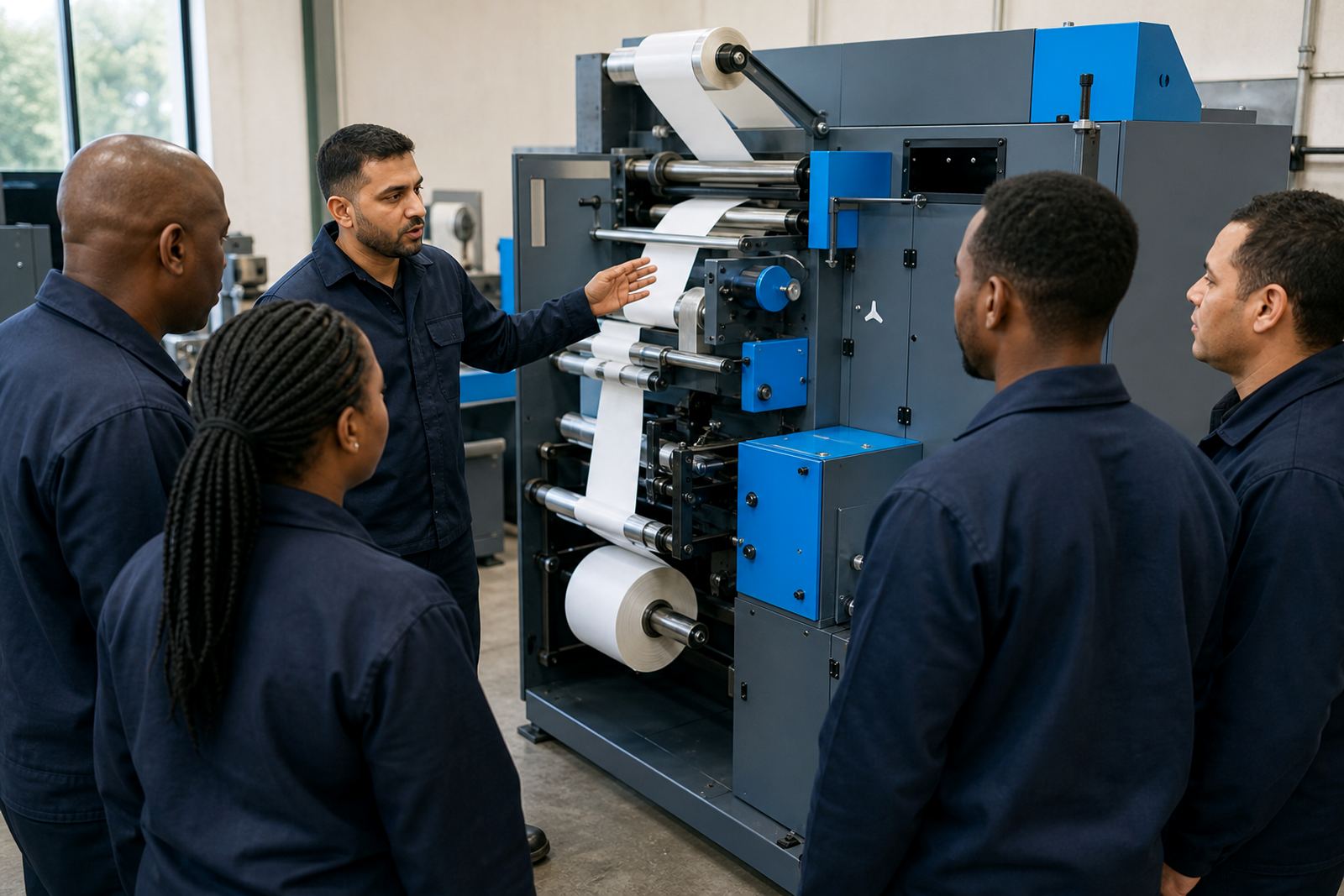
Training matters just as much as the machine itself. Once a unit is installed, the team must know how to set register, check tension, align the die or laser path and keep matrix stripping clean.
Service support for the South African production floor
Our guides also help teams plan for support after the machine is on site. Installation, line commissioning, operator training, preventive maintenance, breakdown repairs, remote support, spare parts supply, die setup help, registration calibration, rewind setup, slitting setup and production optimisation all sit close to the finishing decision. A machine that fits the job on paper still needs support that fits the way the shop runs in practice.
For teams in Kya Sand, Randburg and across Johannesburg, Pretoria, Durban, Cape Town and Gqeberha, that support setup matters when jobs move between packaging formats, label substrates and changing customer demands. our contact form is the right place to send an enquiry when the line needs a practical fit check.
How to use these guides on a buying brief
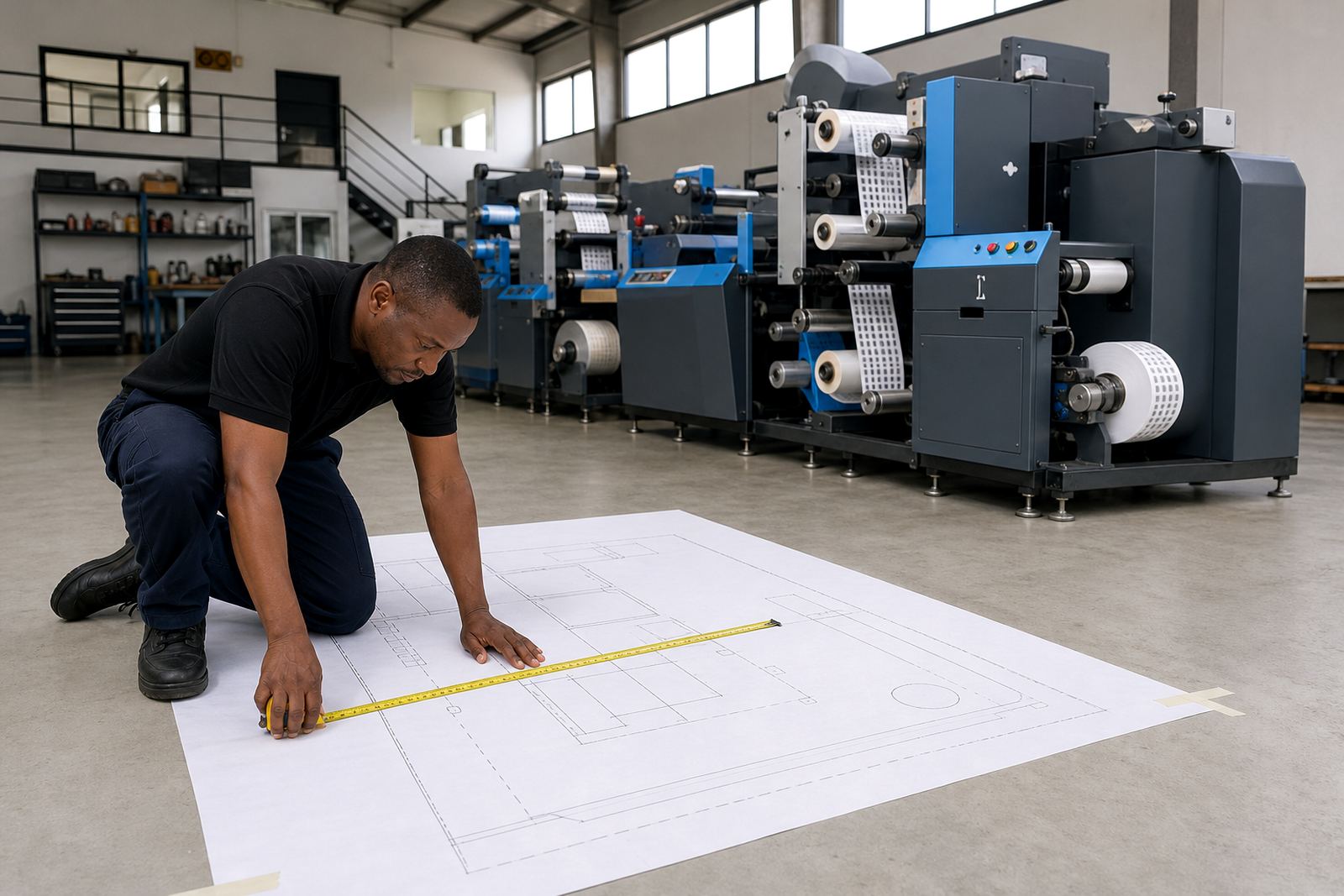
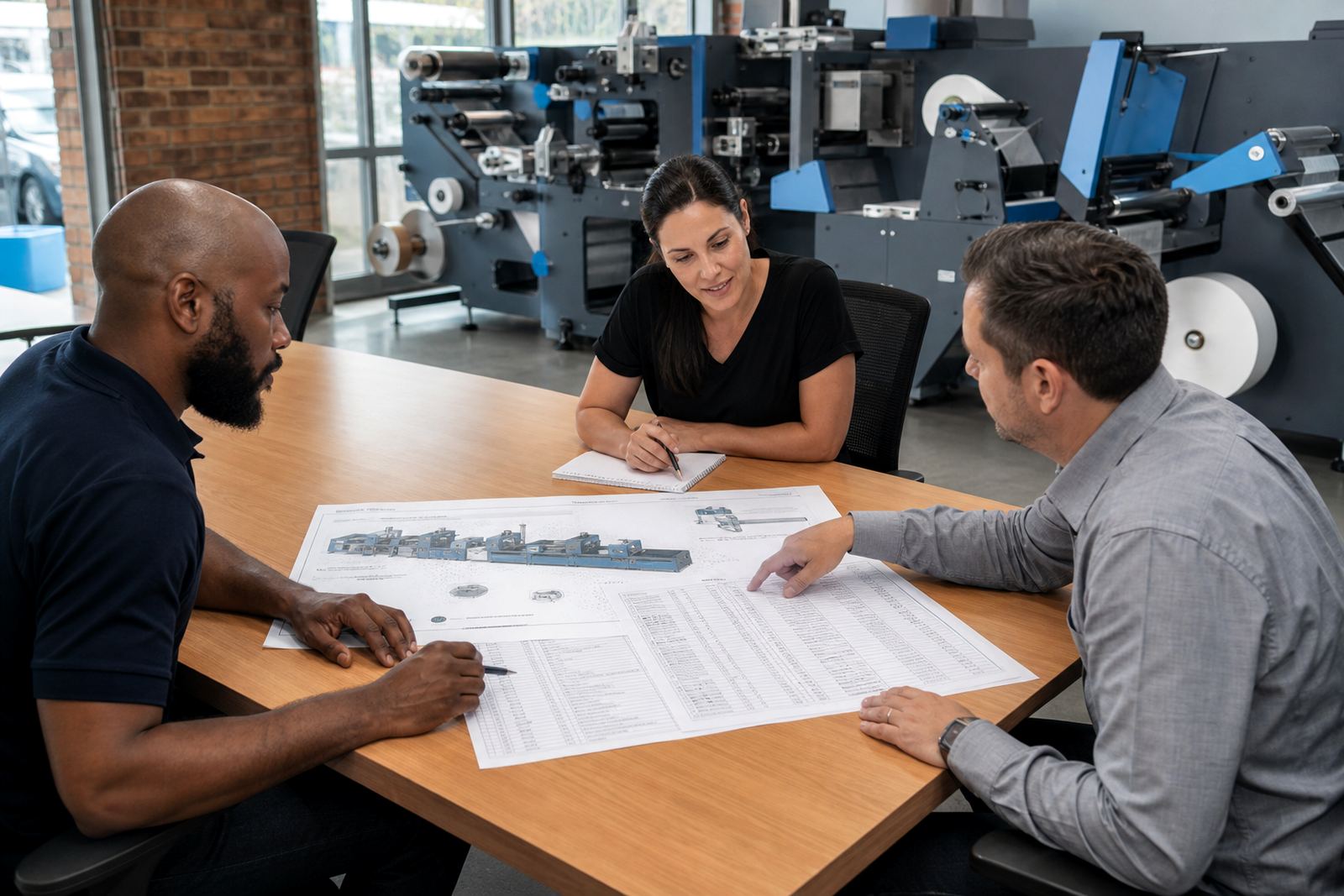
Use the guides to compare process needs before asking for a machine recommendation. Start with the label size range, the substrate mix, the target roll format and whether the shop needs laser, semi-rotary or flexible die cutting. Then check how much inline finishing is needed for laminate, varnish, slitting and rewind control.
The best match is usually the one that keeps setup manageable, holds register on the real print mix and gives the operator enough control to keep production moving. That is a more useful test than chasing a long spec sheet with features that never touch the work in front of you.