What the installation covers on a real line
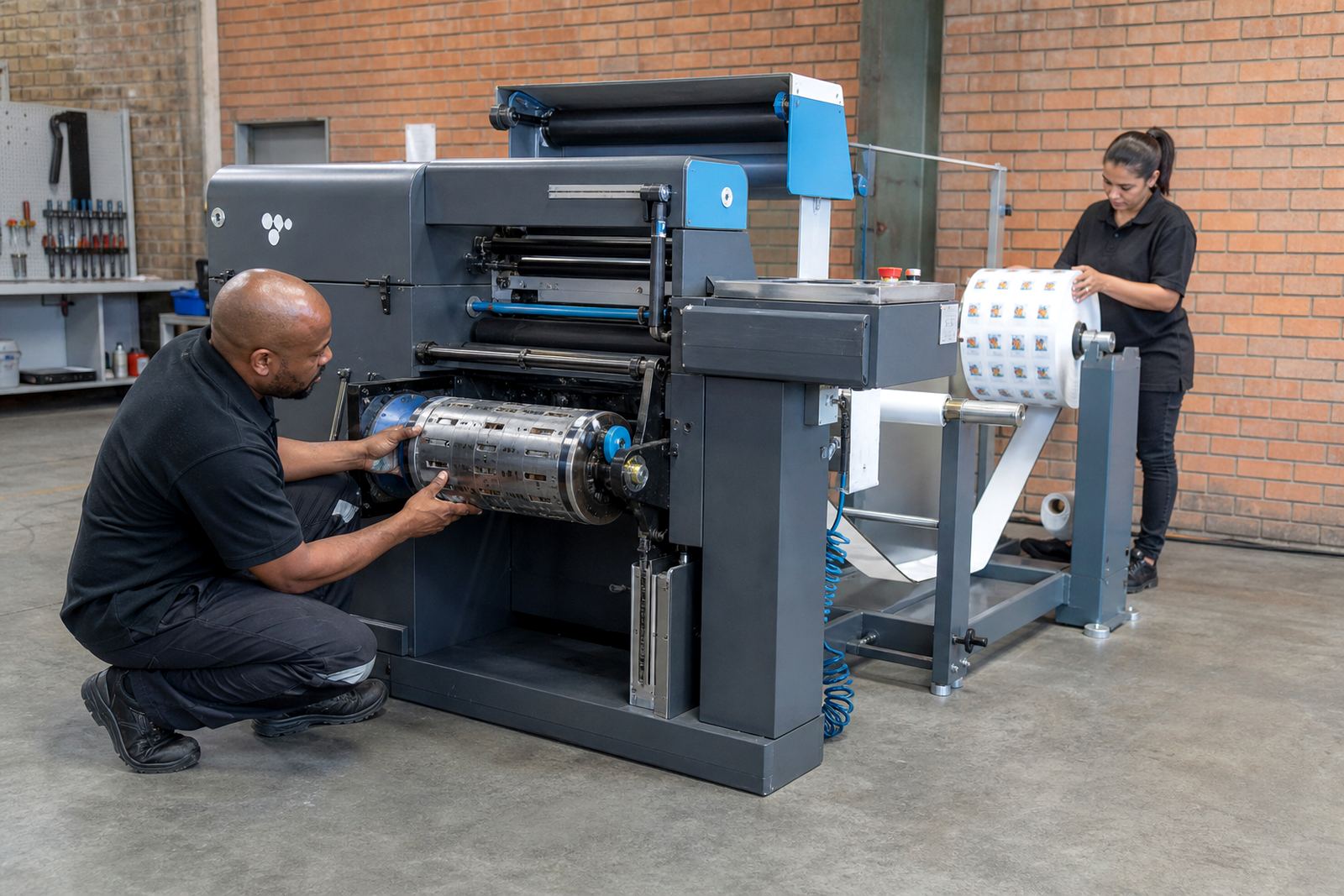
Installation starts with the machine layout and the role each module must play. We work through unwind, web guiding, lamination, die-cutting, matrix stripping, slitting and rewind sections so the line feeds cleanly from roll to finished roll. For some jobs that means flexible dies and a semi-rotary station, for others a laser cutting or finishing setup, and the settings are not handled the same way on every pressroom floor.
We check roll width, core size, web direction, label face stock and liner type before anything is fixed in place. That helps the finished line run labels with consistent edge quality, proper tension and stable registration marks, even when the job switches between clear film, paper or textured stock.
- Machine positioning and floor placement
- Module alignment and web path setup
- Tension, brake and rewind checks
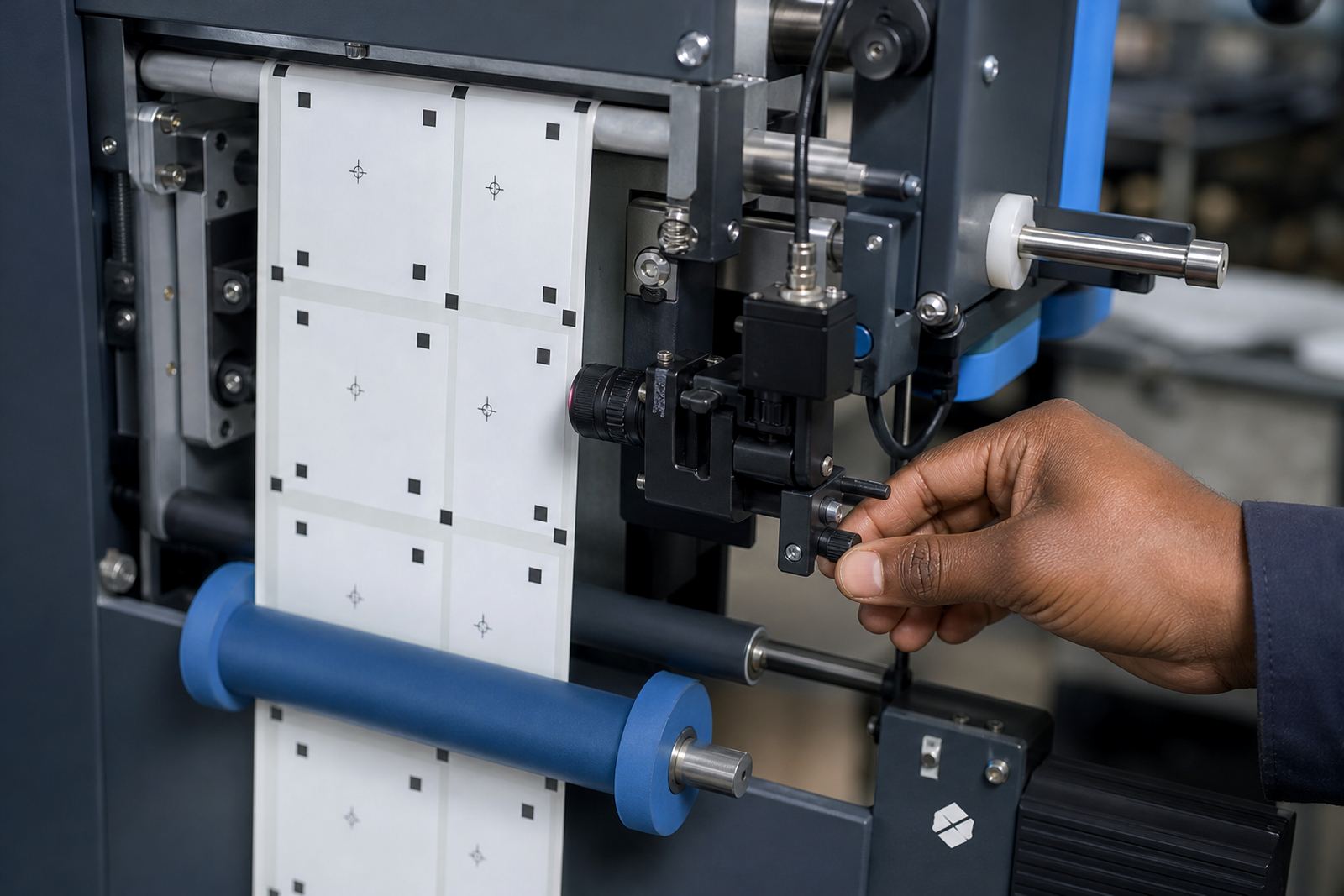
- Registration mark calibration for repeatable cuts
- Set-up support for slitting and matrix stripping
How the line is prepared before commissioning
A proper install is more than bolting a frame down and switching it on. We inspect access for rolls, power points, compressed air where needed, operator walkways and space for finished rolls. If the machine has a lamination unit or a varnish station, we set the path so the web stays flat through the curing or drying zone and the coated material does not track off line.
Our team also checks the registration system, the unwind and rewind direction, the slitting knives and the waste strip path. If the machine is being fitted into an existing print room, we make sure the finishing line matches the output from the press and the unwind web does not force unnecessary handling between departments.
- Site check for floor space and access routes
- Power and utility check where the machine needs them
- Line direction and roll flow confirmation
- Die station, slitters and rewind alignment
- Operator safety and clear working space review
Installation steps from offload to first reels
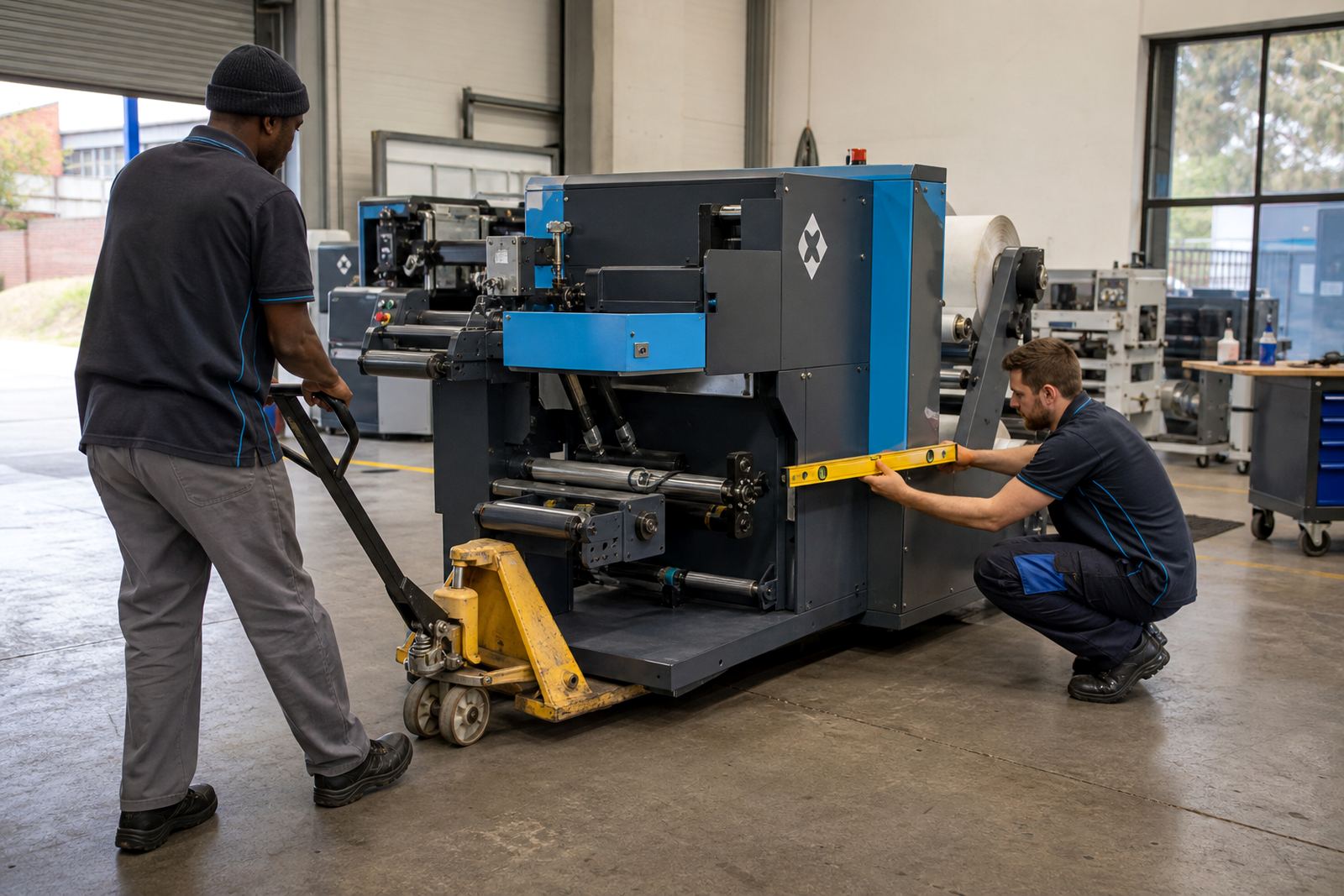
On installation day, the machine is offloaded, levelled and set into its working position. We mount and align the modules, then thread the web through the line step by step. The first pass is about mechanical fit, the second pass is about fine adjustment, and the last checks are about repeatability across different roll lengths and label sizes. Small differences matter, especially on narrow webs where a slight drift can affect cut position and waste removal.
Once the mechanics are right, we move into calibration. That includes die-cut depth, laser focus where relevant, slitting widths, matrix removal and rewind tension. When a line is set up for multi-up label production, we also confirm side guides and registration marks so the finished reels stay neat and ready for packing or finishing.
- Offload, position and level the equipment
- Thread the web through every active station
- Set tension for each material type
- Calibrate cut depth and repeat registration
- Test output reels for finish and winding quality
Training built into the handover
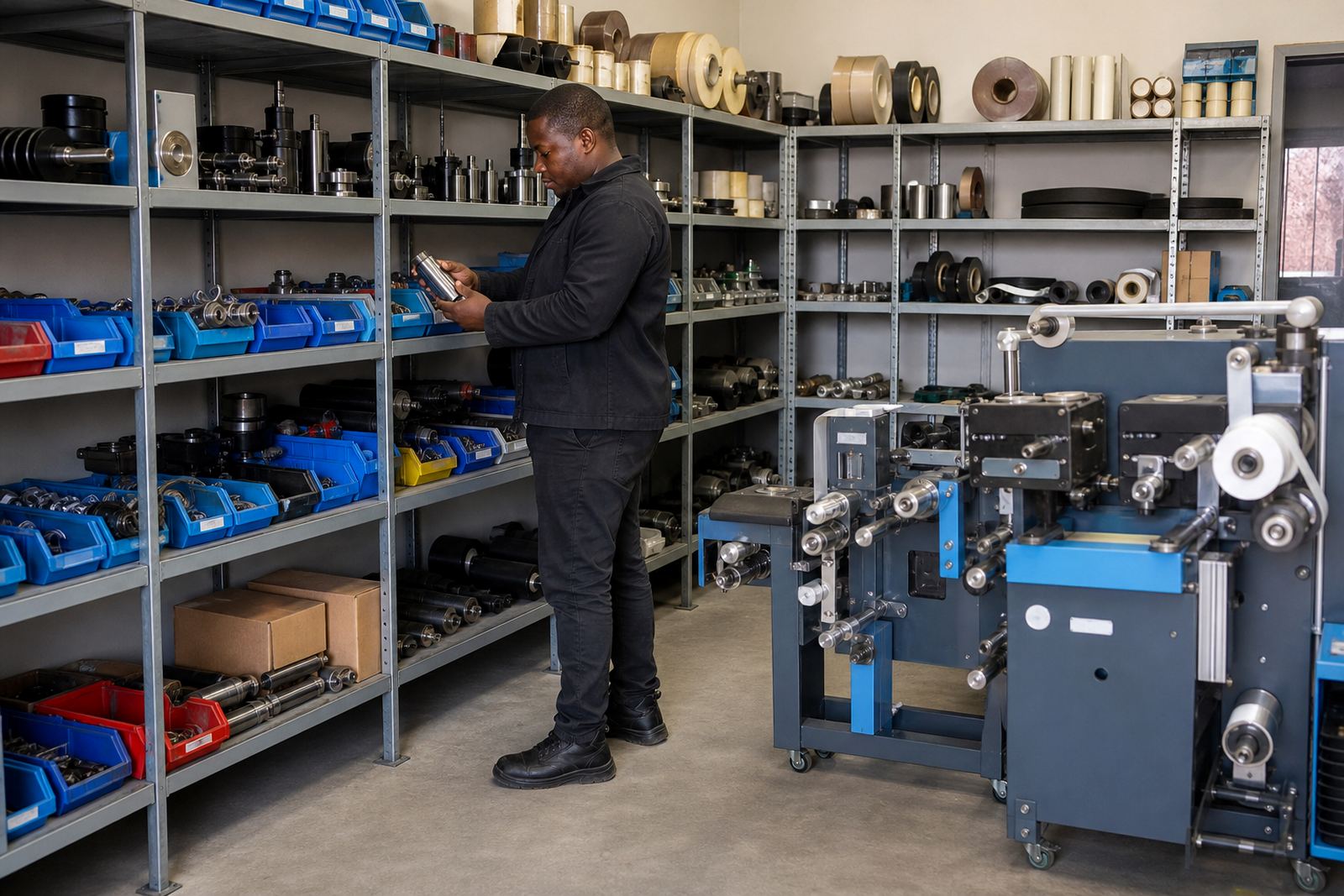
The handover is practical and based on the line that has just been installed. Operators are shown how to load rolls, set web paths, read the register and make sensible adjustments for different jobs. We cover the points that usually affect production first: web break handling, waste strip control, rewind firmness and how to keep the line running when a label format changes.
Where a customer runs short label batches or frequent artwork changes, we spend time on setup discipline and fault spotting. That includes clean die setup, avoiding liner damage and checking that the slitting knives are not crowding the web. If the job needs a varnish or laminate layer, we explain how the surface affects cure, grip and release, since those choices change the finish on the reel.
- Operator loading and threading practice
- Register reading and adjustment steps
- Waste removal and rewind control
- Format change routine for mixed jobs
- Basic fault checks before calling for service
Turnaround, pricing method and what shapes the quote
Installation work is quoted from the machine type, line length, module count and site conditions. A compact rewinder with slitting is not treated like a full finishing line with lamination, die-cutting and matrix stripping, because the setup time and checks are different. We also factor in whether the equipment is moving into a new space or replacing an existing line, since repositioning and re-alignment can change the scope.
The pricing approach is straightforward. We look at the machine list, travel to site, commissioning support and any special tooling required for the job. If there are extra requirements for registration calibration, rewind setup or production optimisation after the basic install, those are identified before the work starts so the scope stays clear.
For customers in Johannesburg, Pretoria, Durban, Cape Town and Gqeberha, project timing depends on the line, the site readiness and the number of stations being fitted. A clean floor, correct power point positions and accessible roll storage make the job easier, but the machine still needs proper alignment before it is handed over.
Aftercare once the line is running
After the install, we stay involved through servicing, breakdown support and spare parts supply. If a line starts showing registration drift, poor rewind build-up or uneven slit edges, the first checks usually sit in tension, guide alignment or setup practice. Our service team works with the customer to keep the machine producing usable reels rather than stopping at a surface check.
We also support preventive maintenance planning, but the focus after installation is on keeping the machine in shape for the jobs it runs. That can include replacement blades, wear parts, calibration checks and operator refreshers when the workload changes. In humid coastal conditions, label stock and web handling can behave differently, so the machine settings deserve proper attention when a site is in Durban or Gqeberha.
- Breakdown repairs and remote support
- Parts supply for wear items and set-up parts
- Follow-up checks on alignment and rewind quality
- Operator refresher sessions where required
- Support for repeat jobs and changing formats
Key facts
| Machine types | Digital label finishing lines, laser finishing systems and semi-rotary die-cutting setups |
|---|---|
| Typical modules | Unwind, lamination, die-cut, matrix stripping, slitting and rewind |
| Material range | Paper labels, film labels, laminated stocks and varnished web |
| Roll handling | Small to large roll formats with core and width checks before setup |
| Registration | Calibration for printed marks, cut position and repeatability across reels |
| Service area | Kya Sand, Randburg with installations across South Africa |