Start with the finishing line, not the invoice
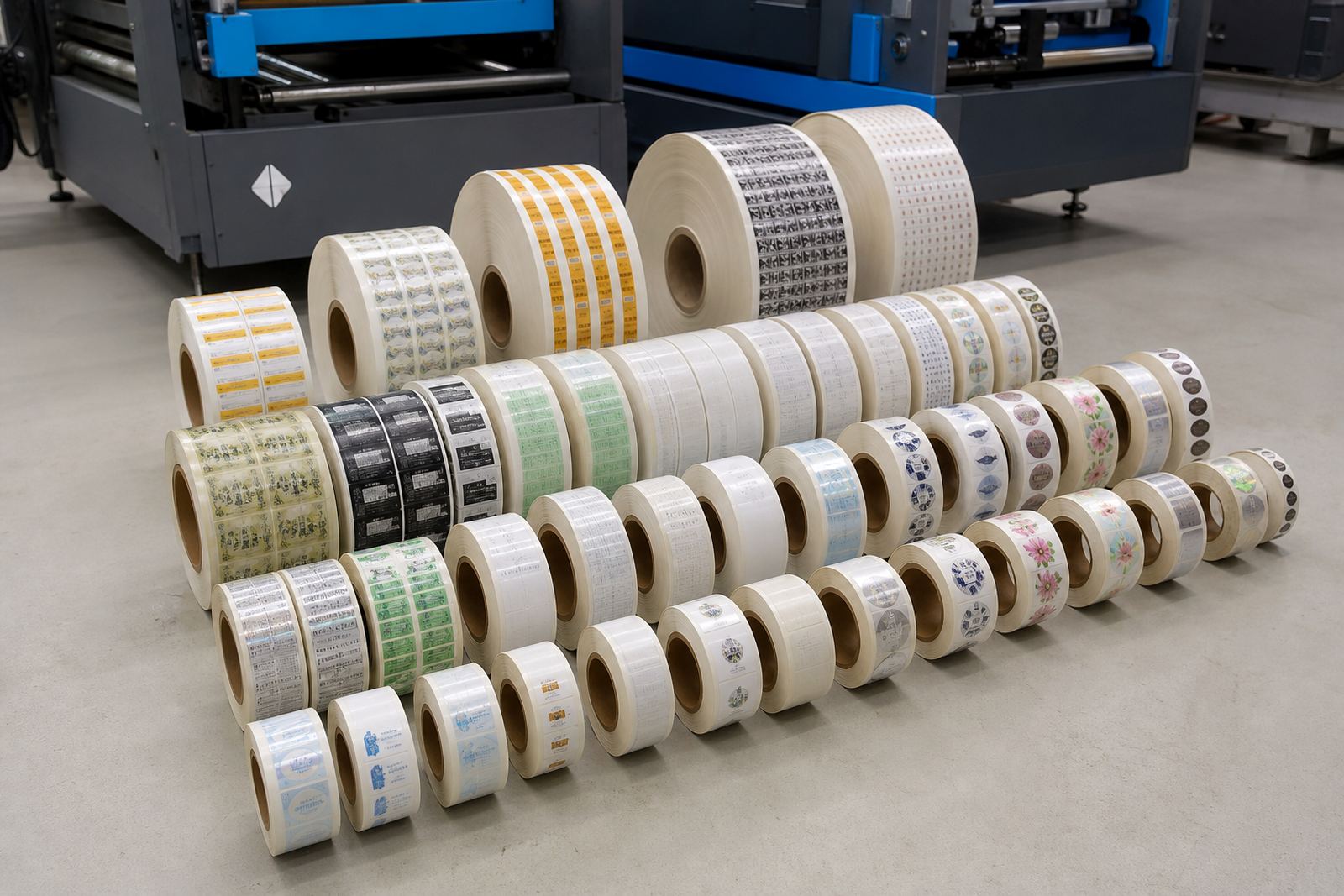
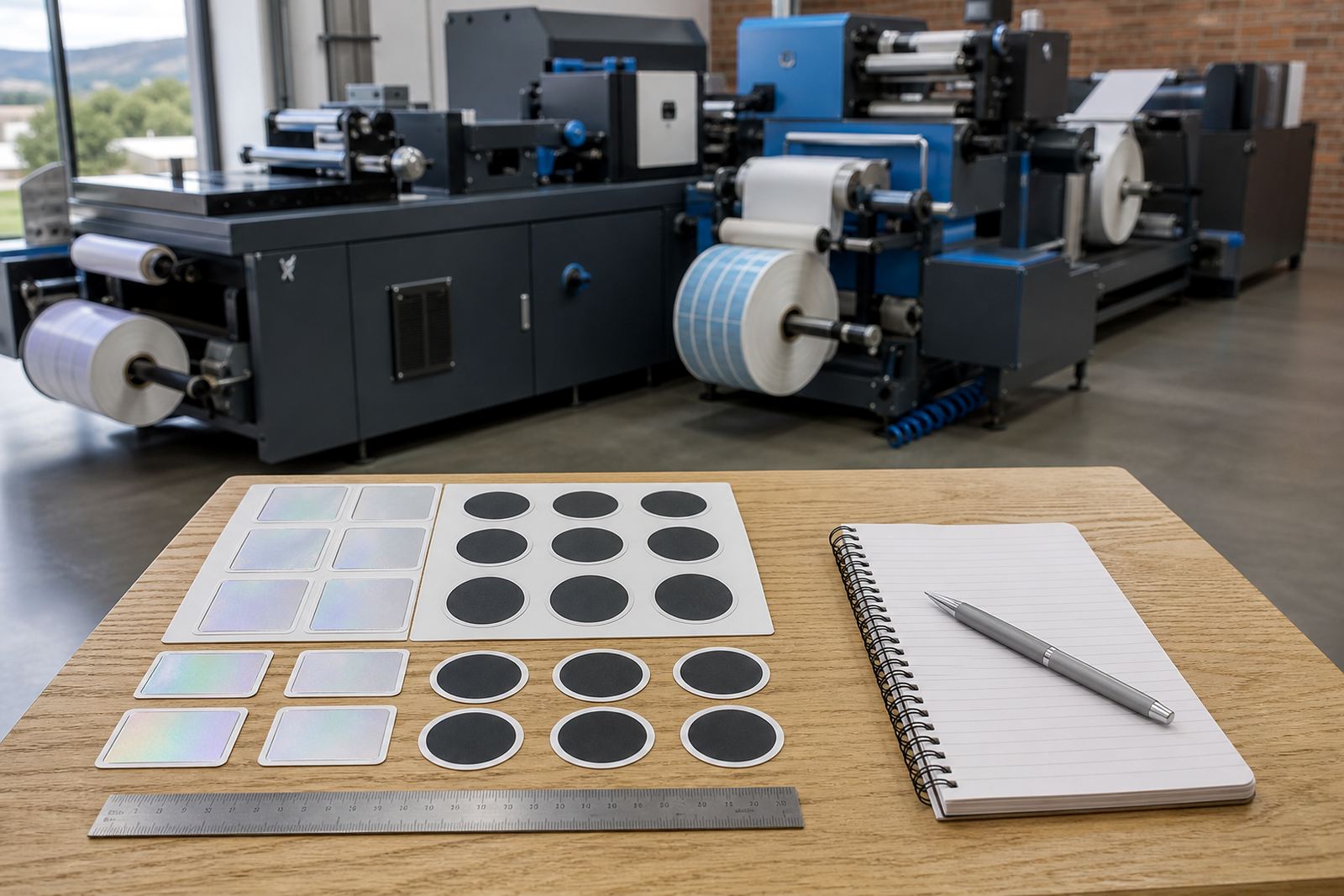
A budget for support should follow the actual finishing process in your shop, not a generic machine list. A line that runs laminated self-adhesive labels on 330 mm webs needs different planning from a short-run setup that handles variable data, spot varnish and frequent die changes.
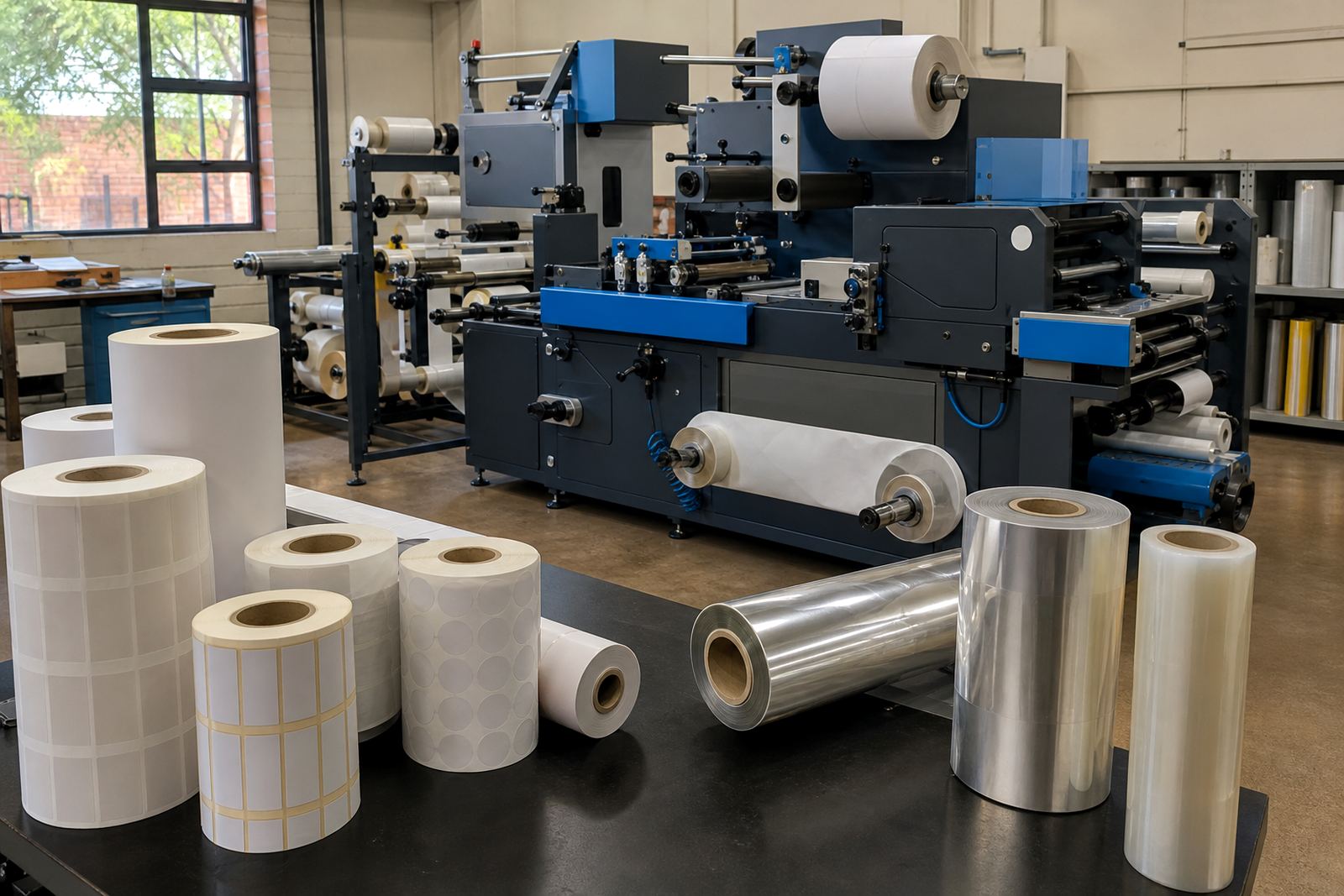
Begin with the rolls you use, the core sizes, the unwind and rewind diameters, and whether the machine will handle semi-rotary die-cutting, laser cutting or flexible dies. If you also need slitting, matrix stripping and registration mark reading, those extras affect setup time, operator training and the spare parts you should keep on hand.
- Web width and roll diameter
- Material types, from paper to film stocks
- Finishes to be handled, like lamination or varnish
- Number of operators who will work on the line
- Current monthly label volume and job mix
Installation costs that are easy to forget
Machine installation is more than placing equipment in the shop and switching it on. It can include positioning, levelling, power checks, web path alignment, registration calibration and first-run adjustments for print-to-cut accuracy.
Budget for the hours needed to get the line ready for actual production, not only for the physical delivery. If the machine must be linked to existing print output, there may be extra time for die setup help, slitting setup and rewind setup so the finished rolls stay tight and even. A small miss on the web path can turn into waste on every shift.
- Placement and levelling of the machine
- Web handling and tension checks
- Registration calibration against printed marks
- First-run testing with your own label stock
- Operator handover at the end of setup
Training that suits the people on the floor
Operator training should match the people who will actually run the machine, not an idealised setup. A trained printroom supervisor may need less on the basics and more on troubleshooting, while a new operator may need a slower walk through unwind settings, lamination alignment, die pressure and rewind consistency.
Good training also covers what to watch before a job goes out the door. That means checking cut depth, edge quality, matrix removal, slitting position and the state of the rewind rolls. If the machine runs both digital and conventional finishing jobs, the team should know which settings change first and which ones must stay fixed.
- Loading rolls and threading the web
- Reading registration marks and keeping cut position true
- Setting laminate, varnish or overprint paths
- Adjusting slitting knives and rewind tension
- Spotting wear on dies, blades and rollers
Servicing should sit inside the budget, not outside it
Preventive maintenance is usually cheaper than waiting for a breakdown that stops the line. Service planning should include cleaning, inspection, calibration and replacement of parts that wear with use, especially where adhesive dust, paper fibres and film residue build up on rollers and guides.
Breakdown repairs are harder to absorb when no service plan exists. A realistic budget allows for travel, labour, inspection, and the parts that are most likely to move first, such as blades, belts, bearings, sensors and guides. If the machine is running daily, service visits should be tied to production volume, not only to the calendar.
- Cleaning and inspection intervals
- Wear parts that should be replaced early
- Calibration checks for registration and cut depth
- Emergency repair allowance
- Record keeping for faults and repeat issues
Keep spare parts on the shelf that save a shift
Spare parts planning should reflect the work your machine does every week. A shop running many short jobs will wear different parts from one running larger repeat runs with fewer changeovers. The safest approach is to keep the items that stop the line, especially where one missing sensor or blade can delay a full order.
Talk through spare parts supply in the same budget conversation as installation and training. That helps to separate ordinary wear from uncommon failures and keeps the critical bits close at hand. In Kya Sand, and across jobs in Johannesburg, Pretoria, Durban, Cape Town and Gqeberha, that planning matters because every plant schedules work a little differently.
- Blades, dies or flexible die parts
- Sensors for registration and web tracking
- Belts, rollers and pressure components
- Consumables for cleaning and maintenance
- Backup parts for the most used station
A working checklist before the line starts earning
Before the first production run, line commissioning should close the gap between the machine on paper and the machine on the floor. The aim is to confirm that the printed web tracks correctly, that the finish is clean, and that the rewind rolls come off neat enough for packing or dispatch.
Use a short checklist so nothing gets missed when several people are involved. It is worth checking the material path, operator controls, safety covers, job settings and the order of each finishing step. If a job uses lamination before die-cutting or varnish after cutting, write the sequence down and keep it beside the machine.
- Registration marks are readable on the printed web
- Waste matrix strips cleanly without tearing
- Slitting positions match the order sheet
- Rewind rolls are tight, even and labelled
- Operators know the fault signs that need attention
Budget lines that make support easier to manage
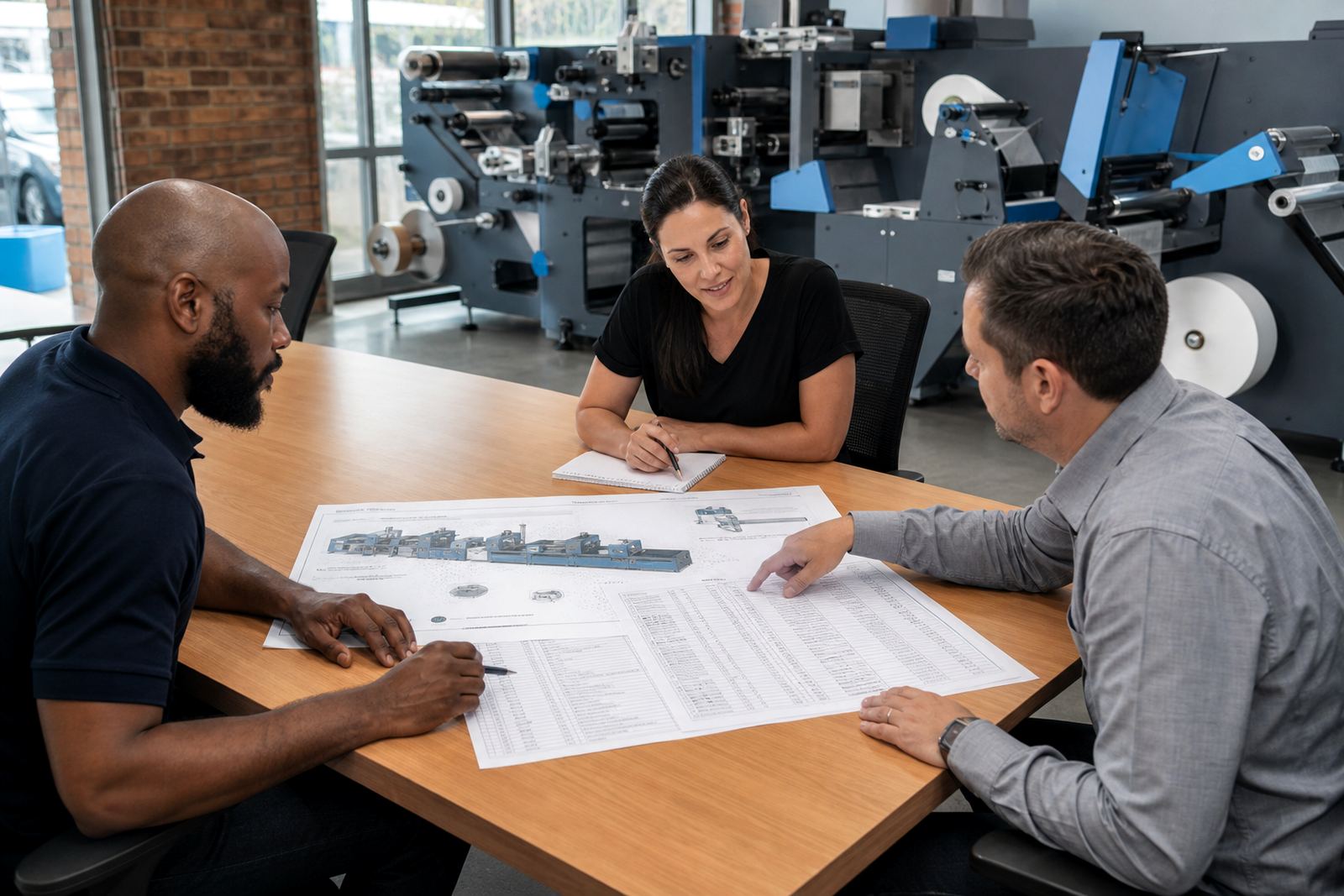
A clean budget separates the machine price from the cost of making it usable in your shop. That means listing installation, training, servicing, repairs, remote support and parts as separate items, then deciding which ones should be held as reserve and which ones need regular spend.
For many label printers and packaging producers, the right budget is the one that protects throughput without tying up cash in unnecessary stock. A measured approach works best: cover the essentials, keep the critical parts close, and review the plan after the first stretch of production so the numbers match the real workload.