Start with the label job, not the machine
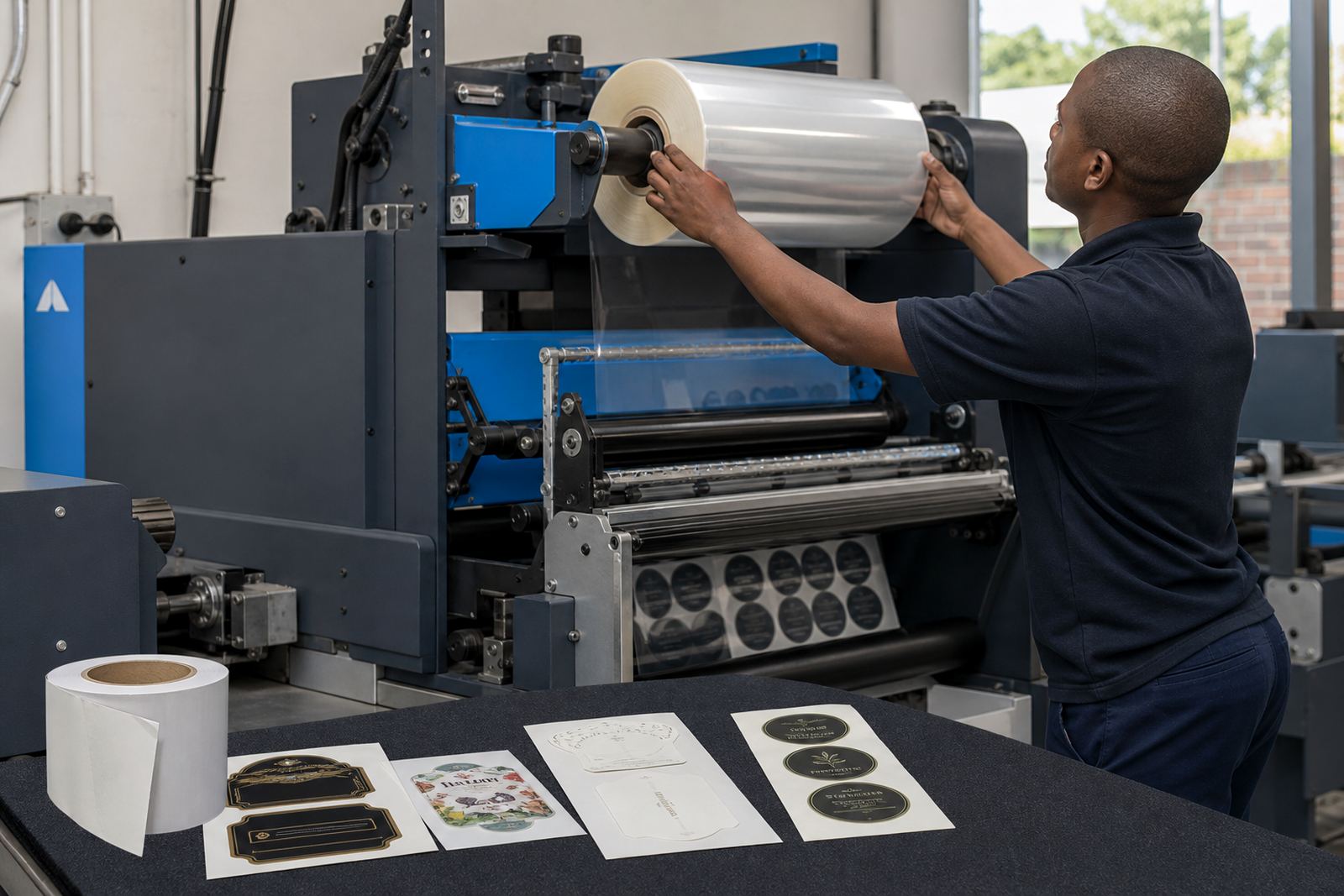
The best cutting route starts with the stock on the table. Paper, film, coated material, clear label stock and textured facestocks all react differently once lamination, varnish and cutting pressure are introduced. A job that runs neatly on short digital work may need a different approach when a client wants steady reorders, tighter edge control or several artwork changes in one shift.
Look at the label shape, the liner, the waste pattern and the roll format before you decide. If the job has many small corners, internal windows or fine detail around registration marks, the finishing line must hold accurate web control and clean matrix stripping. If the label face is simple and the volumes are steady, a semi-rotary setup may give the right balance of speed and repeatability.
- Check facestock type and thickness.
- Note whether the job needs laminate or varnish.
- Count the number of knife changes or die changes needed.
- Confirm the roll diameter, core size and unwind direction.
- Review the amount of waste to strip and remove.
Laser heads for artwork that shifts often
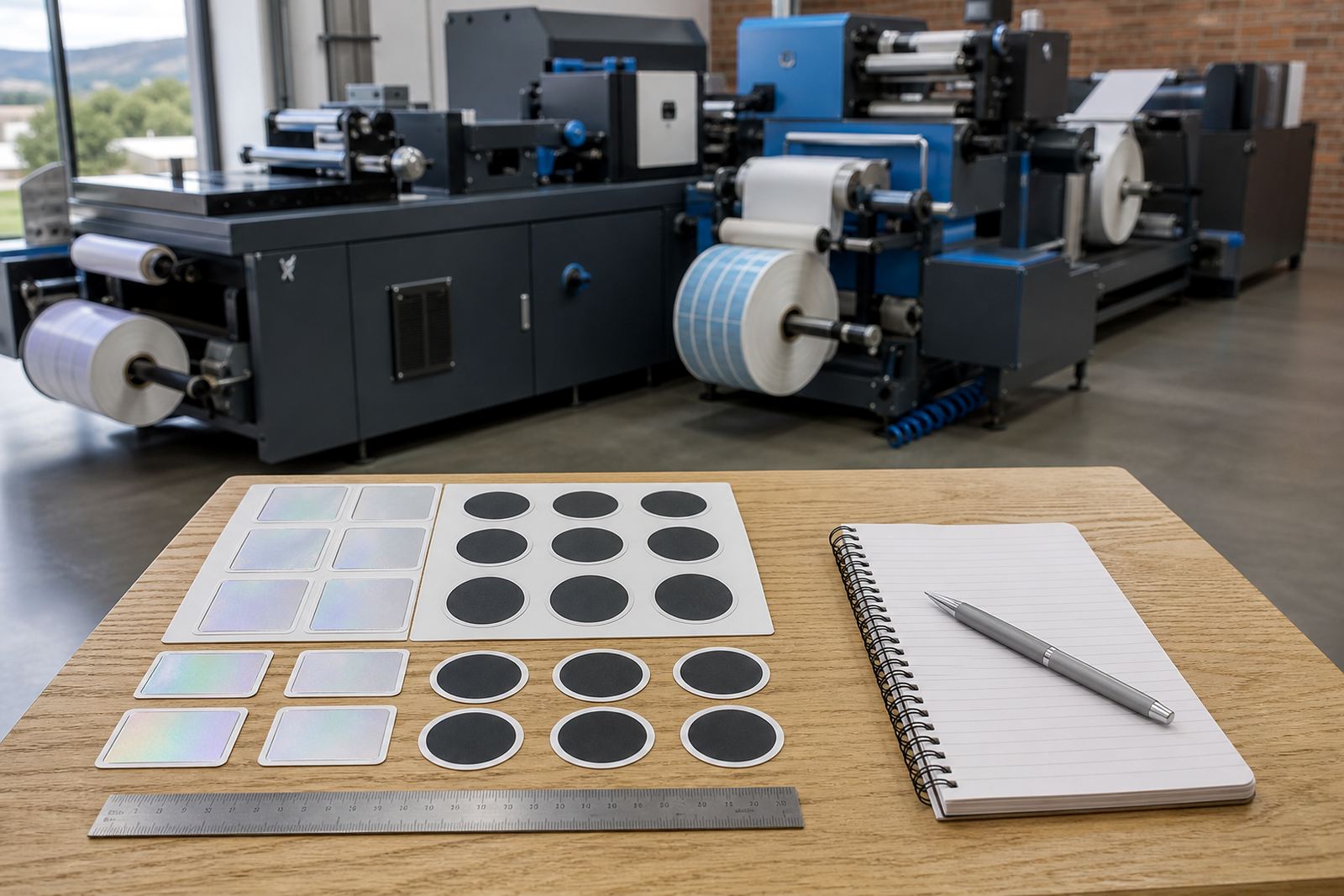
Laser cutting suits label work with frequent artwork changes, short runs and detailed shapes that would take too much time in a physical die setup. Because the cut path is driven by data, the machine can follow complex contours, fine text outlines and repeated shape changes without stopping for a new flexible die. That makes it useful for converters handling many SKUs, private label work and sample production where the next job may differ sharply from the last one.
Laser systems still need disciplined web control. Registration marks must stay visible and stable, laminate and varnish need to stay within the working window, and the roll must feed evenly without edge wander. The team also has to manage heat, smoke extraction and material limits so the film or paper stays clean at the cut line. When those conditions are in place, laser cutting can move smoothly from unwind to slit and rewind with very little mechanical changeover.
- Best suited to changing artwork and smaller batches.
- Useful where a knife die would be costly or slow to swap.
- Needs clean registration marks and stable web tension.
- Works well when the cut line is highly detailed.
- Less dependent on die storage and physical tooling.
Semi-rotary systems for repeat work and steady output
Semi-rotary cutting uses a physical die in a controlled rotary section, then releases before the full cylinder cycle repeats. It gives strong control on repeat label work where the shape stays consistent and the pressroom wants dependable line speed, clean edges and a familiar setup routine. For many packaging producers, this method is the better match when the artwork repeats across several orders and the cutting pattern does not change every day.
This approach needs the right flexible die, the right impression settings and a practical setup path for the run lengths you sell most often. It handles lamination, varnish and matrix stripping well when the material behaves consistently and the roll size stays within the machine range. A good setup also keeps slit widths stable and rewinds the finished rolls neatly so packing and dispatch stay orderly at the end of the line.
- Strong option for repeatable jobs and settled artwork.
- Pairs well with flexible dies and fixed label shapes.
- Good for stable rolls, slit widths and rewind quality.
- Needs careful die setup and registration calibration.
- Often suits higher-volume digital finishing lines.
Match the finishing steps to the cutting choice
Cutting is only one part of the line. A buyer should map the whole finishing route, from unwind through laminate or varnish, into die-cutting, matrix stripping, slitting and rewinding. If one stage is out of step, the rest of the line spends time correcting it. That is why the best choice is rarely just about cut style, it is about how the machine carries the roll from one stage to the next.
Use this practical check before you commit to a method. Start with the stock, then the artwork, then the end format the customer expects. If your jobs need many label widths on one parent roll, slitting and rewind setup matters as much as the cut itself. If the artwork sits close to the edge, registration marks and web guidance become part of the decision, not an afterthought.
- Confirm parent roll width and finished roll width.
- Check whether lamination or varnish must stay in line.
- Review how much waste the matrix will leave behind.
- Decide if the line must slit multiple lanes at once.
- Test whether the rewind core and roll build suit dispatch.
A short shop-floor checklist before you sign off
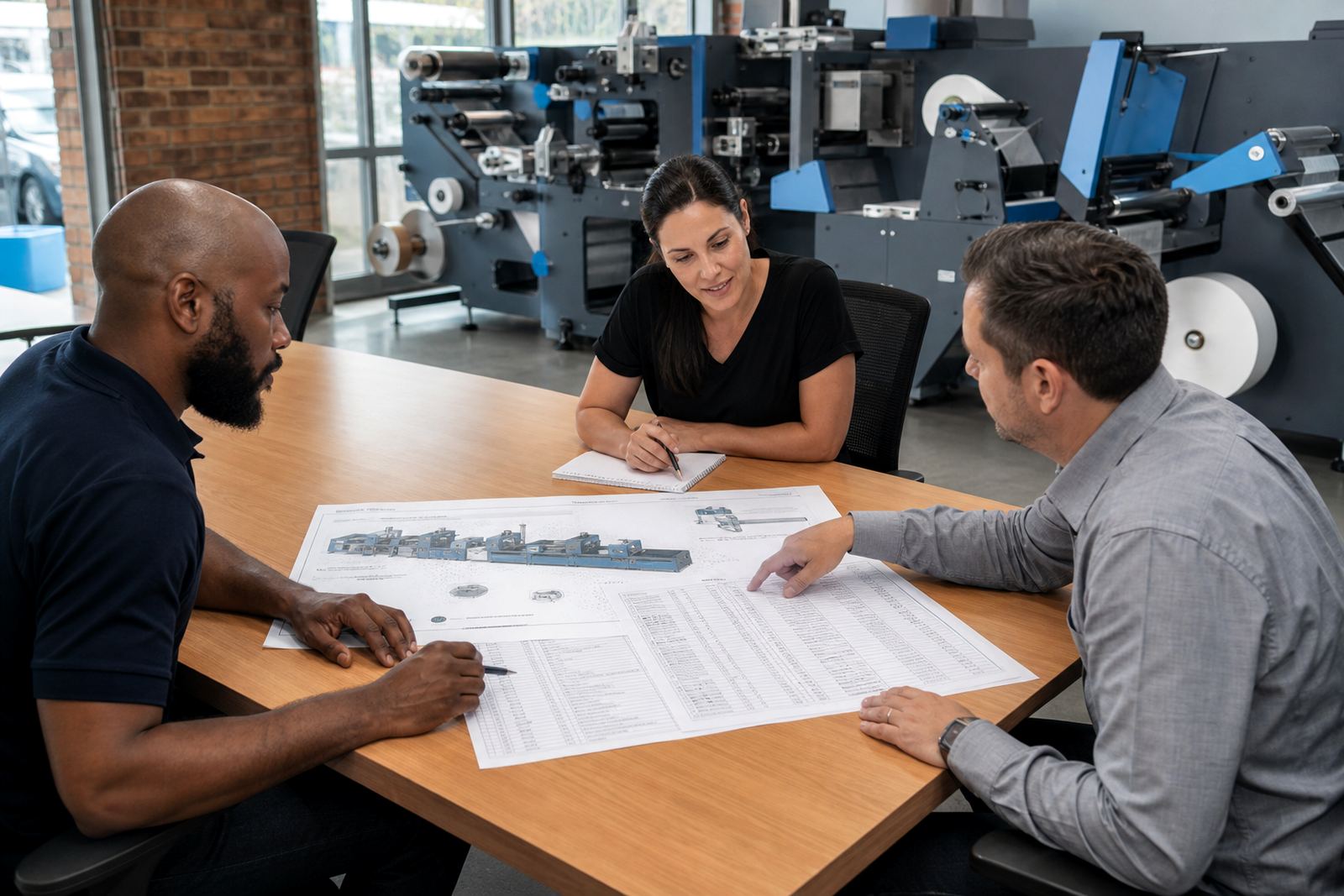
Walk the job through in the same order the machine will see it. That means stock first, then artwork, then finishing, then packing. When a team skips a step, the problem usually shows up in the unwind or at the rewind end, where the roll has already spent time and material. A clean sign-off is one that checks the small things before production starts.
Keep the checklist practical. Ask whether the job needs registration calibration, whether the slitter spacing suits the order split, whether the waste matrix can strip cleanly and whether the operator has enough room to manage the roll change safely. On a busy plant floor in Randburg, Midrand or Kempton Park, those details save more grief than a vague promise about machine capability ever will.
- Are the registration marks visible on the web?
- Does the artwork suit laser or semi-rotary better?
- Will the roll feed cleanly through lamination and cutting?
- Is the waste matrix likely to strip without tearing?
- Do the finished rolls need slitting before rewind?
Training and servicing that keep the line honest
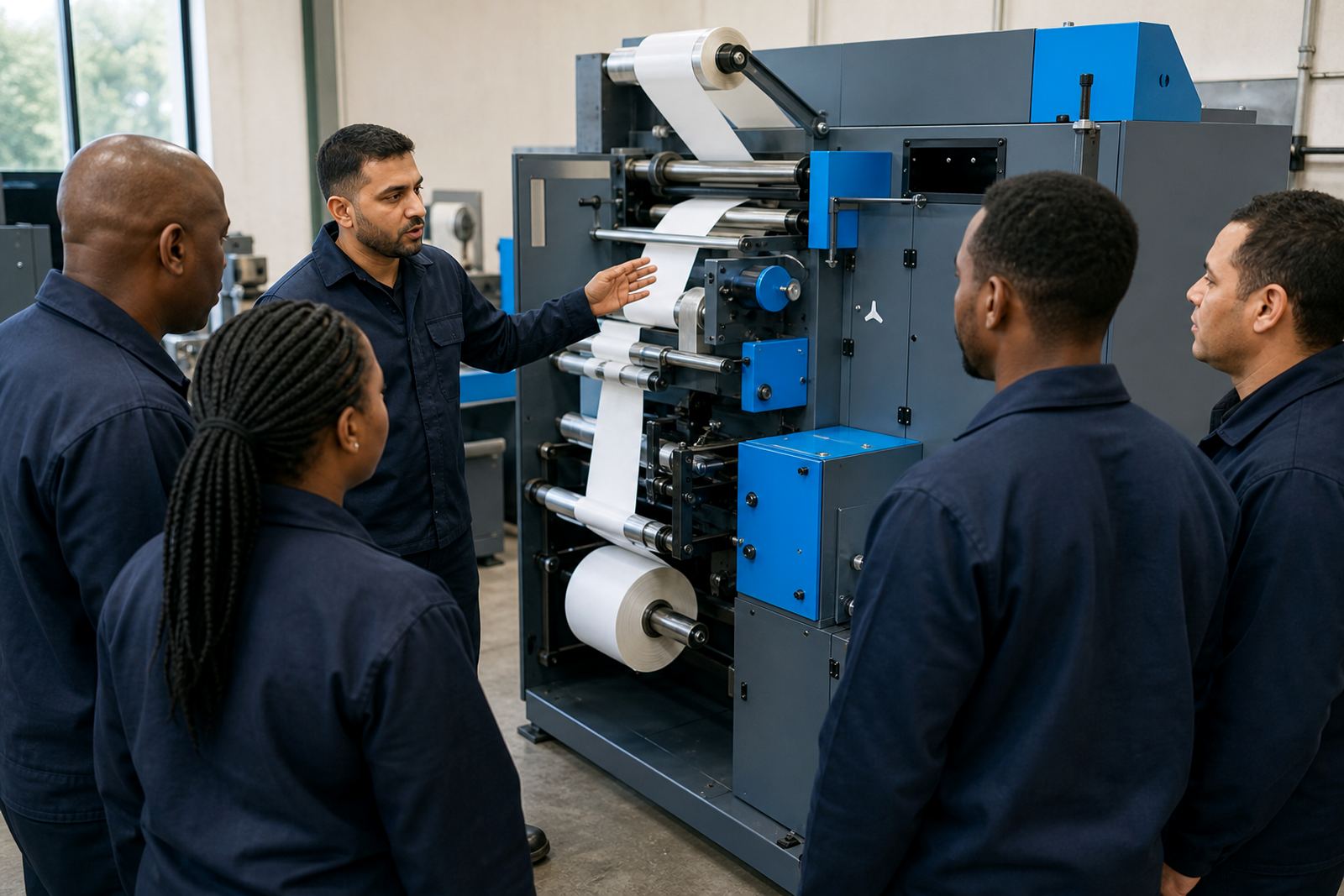
Once the cutting method is chosen, the people running it matter just as much as the hardware. Operator training should cover setup order, tension control, die handling, registration calibration and the way the finishing line behaves when the stock changes. Preventive maintenance is what keeps the unwind, laminating section, cutting station and rewind working in step instead of drifting out of line over time.
Our Kya Sand, Randburg team supports label printers and packaging producers across South Africa, including Johannesburg, Pretoria, Durban, Cape Town and Gqeberha. We handle machine installation, line commissioning, operator training, breakdown repairs, spare parts supply, die setup help, remote support and production optimisation. If you are comparing laser and semi-rotary paths for a new line or an upgrade, our contact form is the place to send the job details and the production profile you want the machine to fit.