Match the person to the part of the line
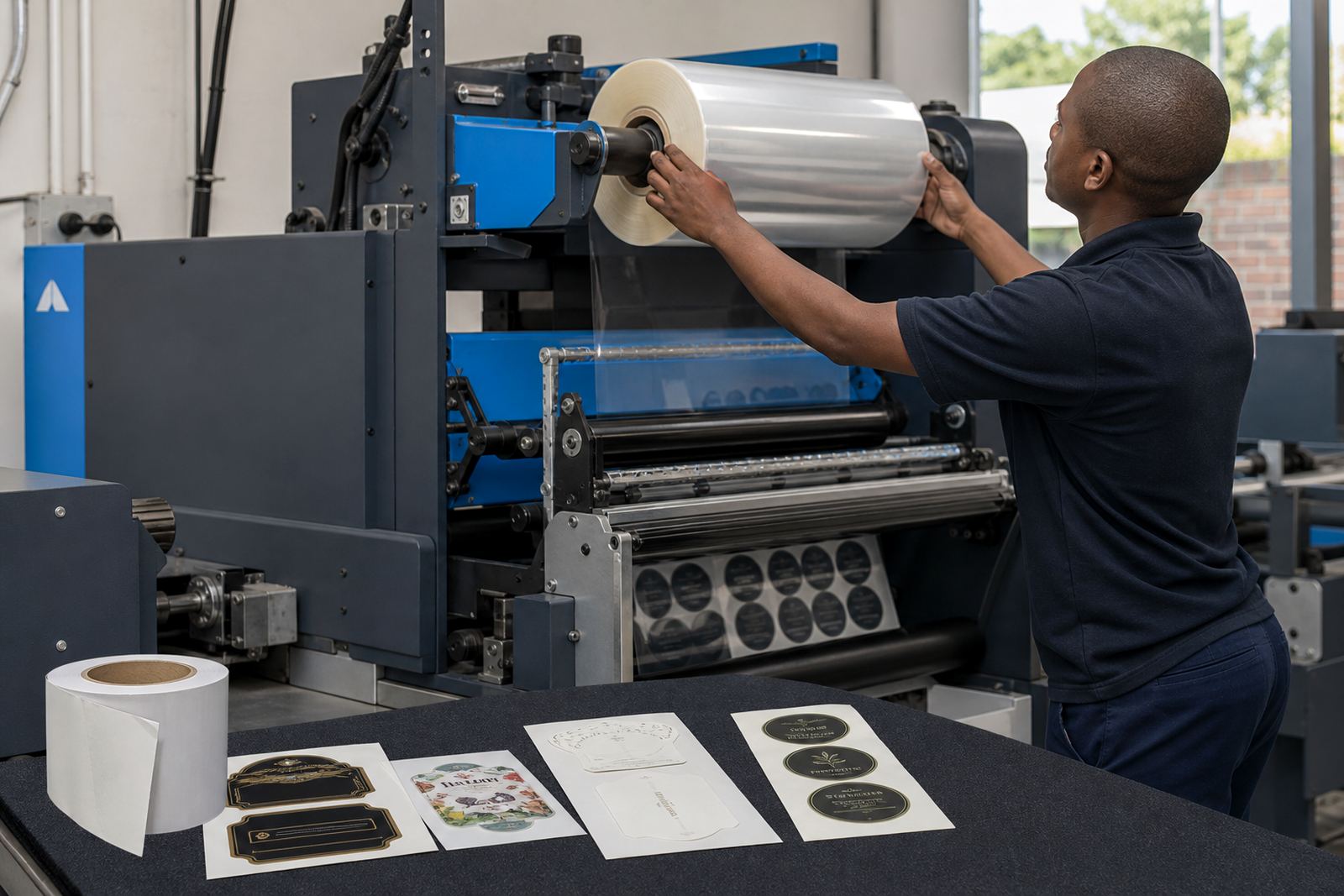
Digital label finishing asks different things from different operators. One person may handle roll loading and web path checks, while another watches registration marks, waste removal and rewind tension. If the same person is expected to do every task on a busy shift, errors usually appear in the first few hours and the line loses rhythm.
Start by assigning work to the stage that suits the person’s experience. Someone who has handled label stock before may pick up unwind and rewind work quickly, while a print room operator may already understand colour changes, inspection points and reel handling. A new staff member should not be left alone with semi-rotary die-cutting, flexible dies or laser finishing before they understand the material path and the safety stops.
- Pick one primary operator and one backup operator for each shift.
- Separate loading, setup, inspection and packing duties where possible.
- Use the same naming for rolls, tools and setup sheets across the team.
- Keep one person responsible for the final quality check before packing.
Start with the material path, not the button panel
Most onboarding mistakes begin with the wrong starting point. New operators often look at the touch screen first, but the real lesson is the route the substrate takes through unwind, lamination, die-cutting, waste stripping, slitting and rewind. If that route is not understood, the machine can be running and still produce unusable rolls.
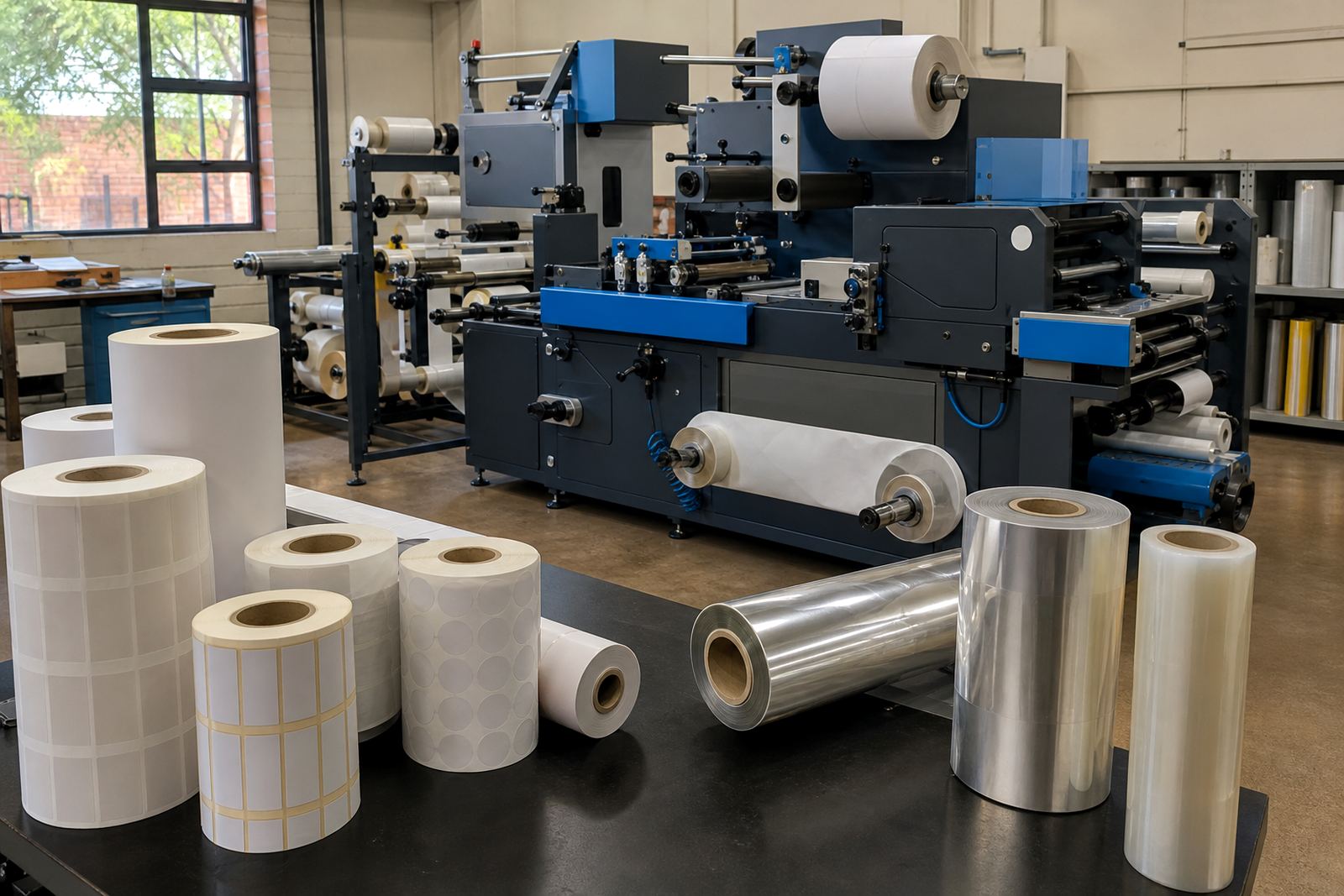
Begin with roll orientation, core size, web width and how the registration mark is read. Then cover the difference between cut depth, matrix stripping and slit position. A label printed on coated stock, for example, may need a different pressure setting from a matte stock and the operator must know how to read the edge of the liner, not only the screen values.
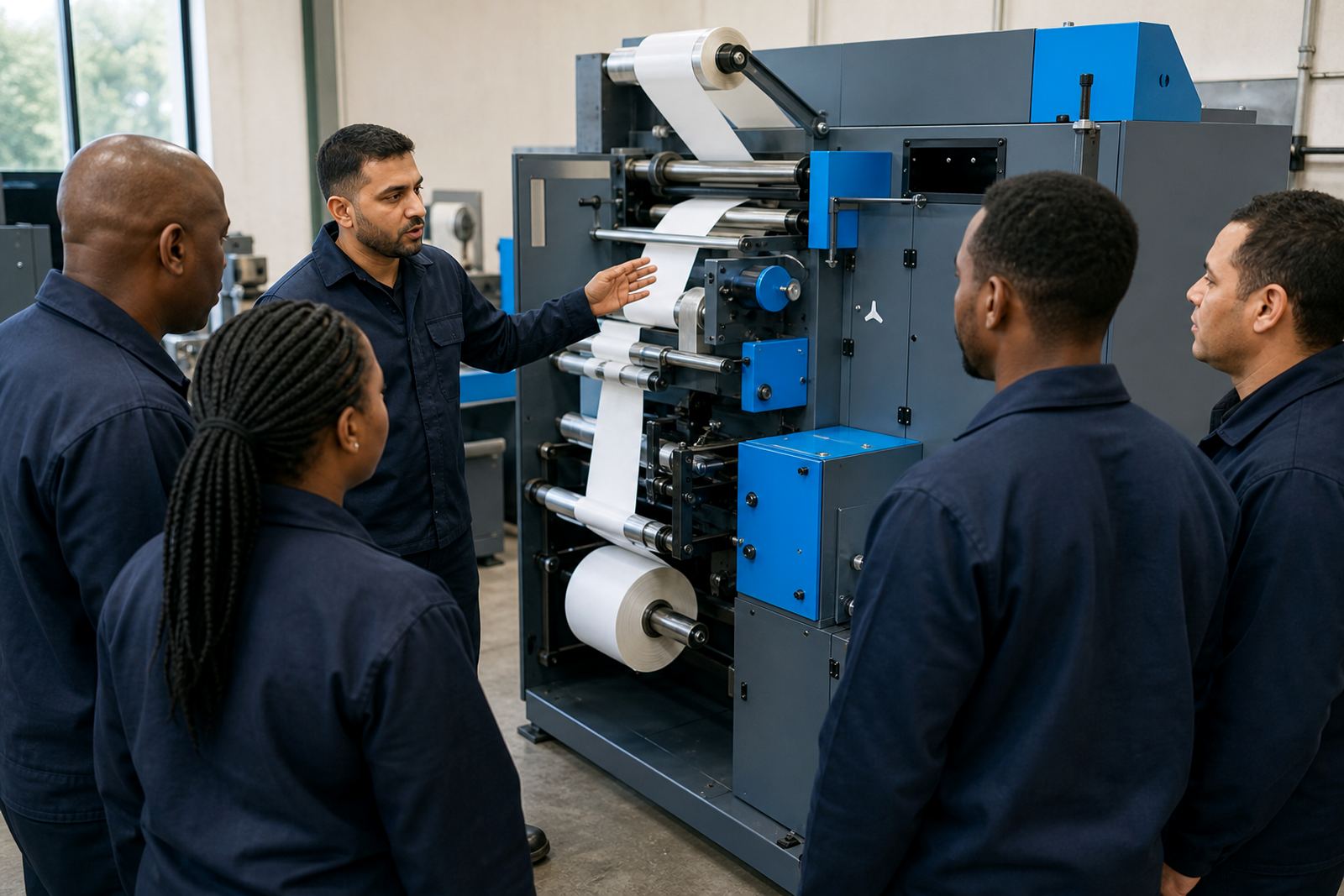
- Show the full web path with the machine stopped and isolated.
- Point out pinch points, knives, rewinds and tension rollers.
- Explain how registration marks guide cut position on each run.
- Demonstrate what clean waste removal looks like on a good roll.
Build the first week around short runs
The first week should not be treated as a full production test. Keep the runs short enough to expose setup errors without wasting a large amount of material. A brief label run with clear marks and modest speed gives the operator room to watch the cut line, track the waste matrix and check whether the rewind is laying evenly.
It also helps to schedule learning in layers. One session can focus on loading and threading. Another can focus on lamination and pressure balance. A later session can deal with slitting width, rewind tension and how to recover from a broken web. In the print and packaging environment, a controlled start is better than a long shift filled with guesswork.
- Use short sample runs before moving to live orders.
- Keep one familiar label size on the first shift.
- Review the roll after each setup change.
- Record the settings that gave a clean edge and stable rewind.
Set the checks that operators must repeat
Operators work better when they know which checks matter every time. The same points should be checked before a run, during the run and after the roll is finished. This does not need a long form. It needs a steady routine that catches drift before it becomes scrap or a customer complaint.
For digital label finishing, the useful checks are practical ones: is the registration mark reading correctly, is the laminate staying flat, is the waste matrix pulling cleanly, and are the slit rolls holding tension without telescoping. On jobs using varnish or protective coating, the operator should also watch for blocking, scuffing and build-up on guiding parts.
- Inspect the first few labels for cut position and edge quality.
- Check that waste pulls away in one continuous strip.
- Confirm roll edges stay square during rewind.
- Watch for heat, dust or adhesive build-up around moving parts.
Keep training tied to the actual job mix
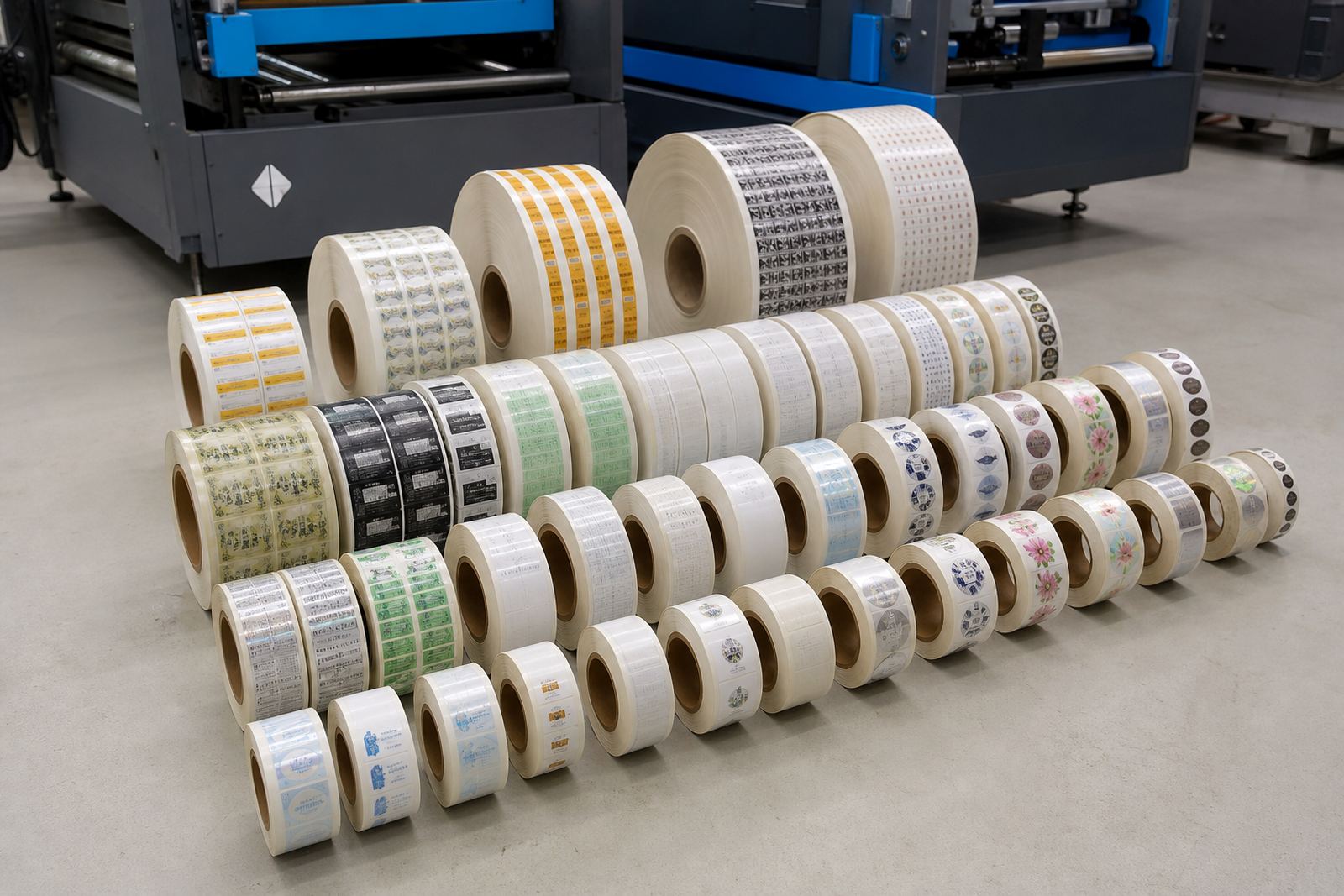
Training works best when it matches the real work in the shop. A label printer producing small pharmaceutical rolls will need different habits from a packaging producer running larger promotional jobs. The operator should train on the roll sizes, substrates and finishing steps that appear in day-to-day production, not only on a sample that looks easy on paper.
Where semi-rotary die-cutting is part of the line, the team must understand die changeover, pressure adjustment and how to recognise a clean kiss cut. Where laser finishing is used, they need to understand file setup, registration control and how image position affects cut accuracy. For jobs using flexible dies, the operator should know how tool condition and mounting affect the final edge.
- Match training examples to the most common stock sizes and cores.
- Include changeover practice, not only steady running.
- Use real labels with real artwork marks where possible.
- Train staff on both good runs and fault recovery.
Plan support before the first live production run
Even a capable operator needs support when a new machine is going into production. That support should be clear before the first order starts. The team must know who handles die setup help, who checks registration calibration, and who steps in when slitting, rewind or web tracking starts drifting. If more than one person is involved, the handover notes should be simple and readable.
We work with label printers and packaging producers across Randburg, Johannesburg, Pretoria, Durban, Cape Town and Gqeberha, with installation, commissioning, training and servicing from our Kya Sand, Randburg base. The practical aim is to leave the team able to run normal jobs with confidence, not to bury them under technical language they will not use on the floor.
- Keep a written setup record for each machine and job type.
- Store spare parts and consumables where operators can reach them safely.
- Agree who to call for breakdown repairs or remote support.
- Review the first production runs with the operator who set them up.