What the handover is checking before first production
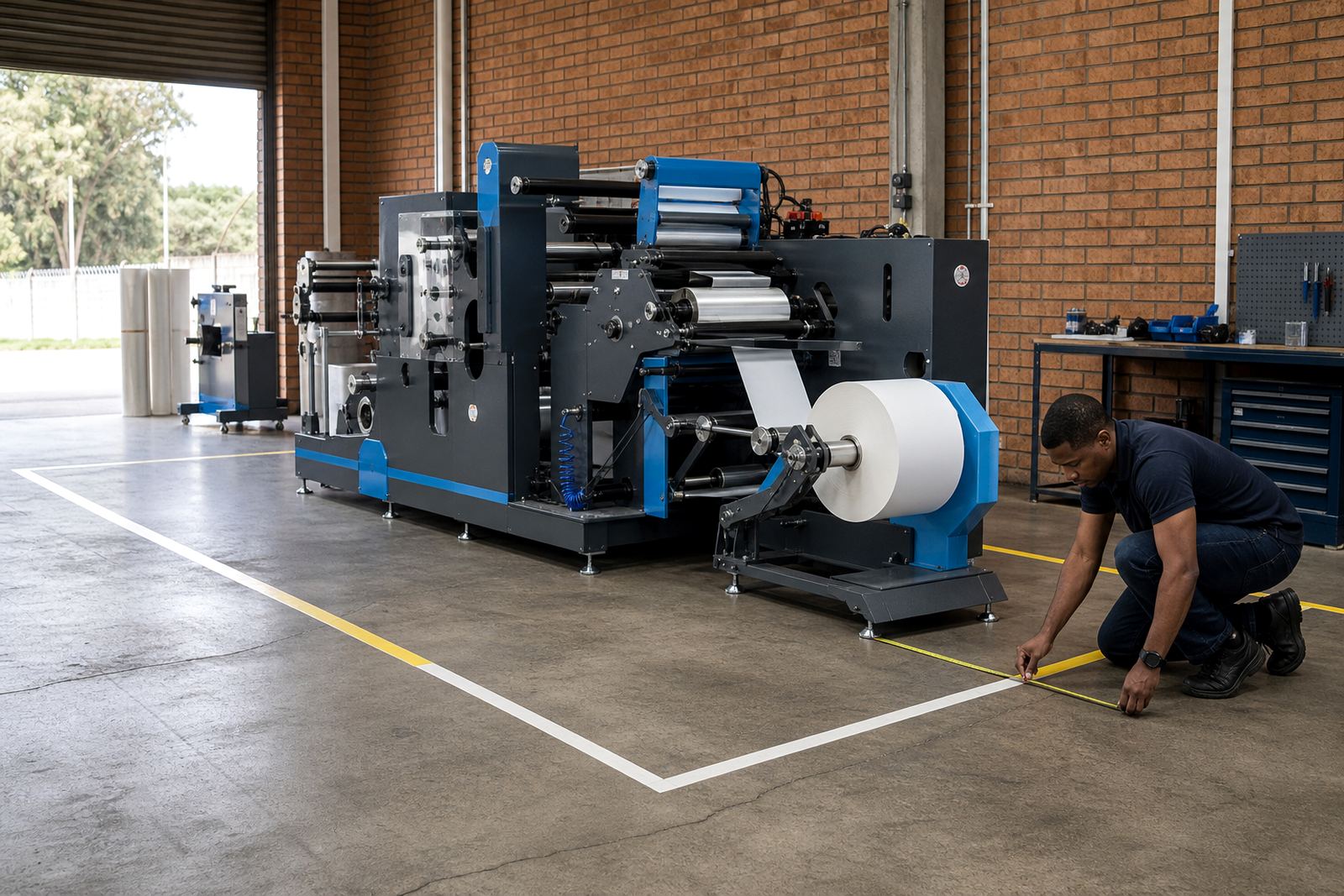
An acceptance test run is not a quick spin of the rollers. It is a measured check that the machine can unwind, laminate, cut, strip waste, slit and rewind without dragging the web out of line. On label work, a small error at the start can show up later as lifting corners, rough edges or a rewind that will not stay tight.
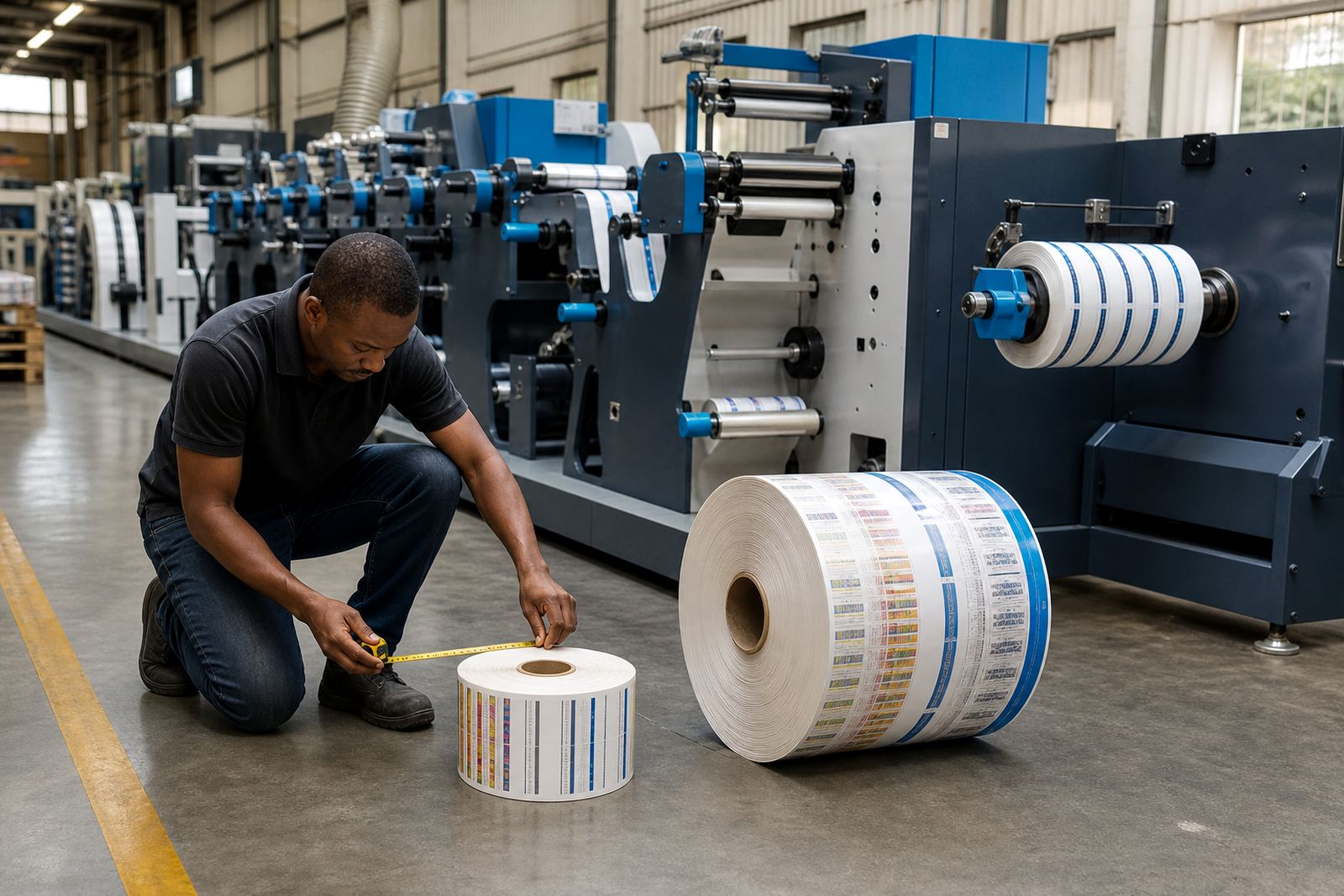
We look at the roll width, core size, substrate thickness and the artwork format together. The aim is to make sure the machine matches the label stock, the job flow and the print ready marks already on the roll. A clean test run saves a lot of trouble when a customer signs off the first batch.
- Web path set for the stock being used
- Sensor reading on registration marks
- Cut depth and kiss cut control
- Matrix stripping and slitting behaviour
- Rewind tension on finished rolls
Marks, knives and the line between clean and scrap
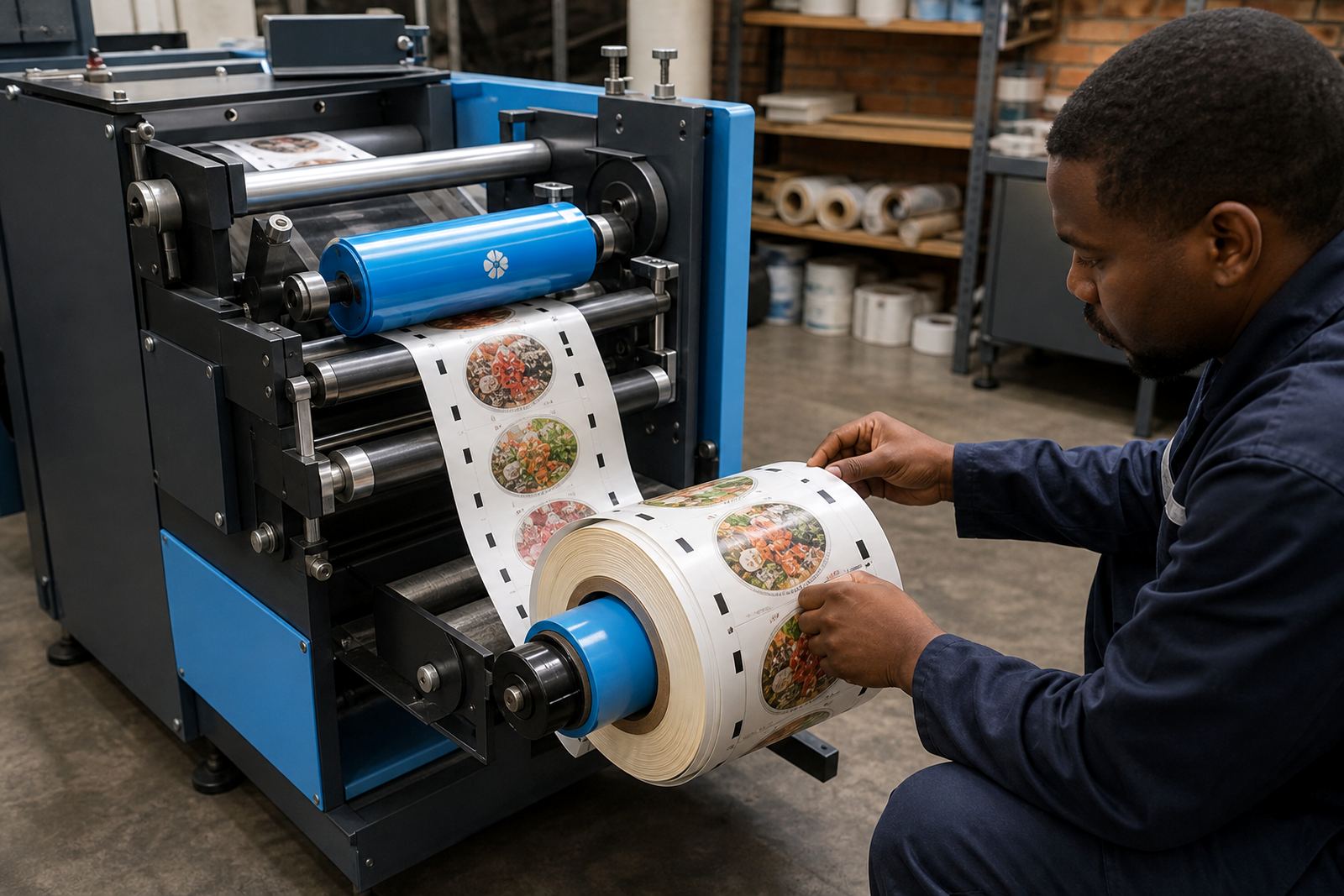
Most problems show up in the first few metres. If the registration mark is drifting, the cut may land too close to the print or miss the edge of a shape completely. If tension is uneven, the face stock can stretch or the liner can buckle, and that often starts with one small adjustment that nobody notices at the time.
Laser systems bring their own checks, especially on heat control, edge finish and artwork consistency across repeated shapes. Semi-rotary systems need careful setting of the die cylinder, an even feed and a steady substrate path. Flexible dies must sit properly, or the job ends up with burrs, drag marks or corners that tear during stripping.
- Cut depth checked on both long and short runs
- Mark reading tested at normal production speed
- Corner lift checked after slitting and rewind
- Liner damage inspected after matrix stripping
- Repeat length checked across the full roll
What a label printer needs to see before sign-off
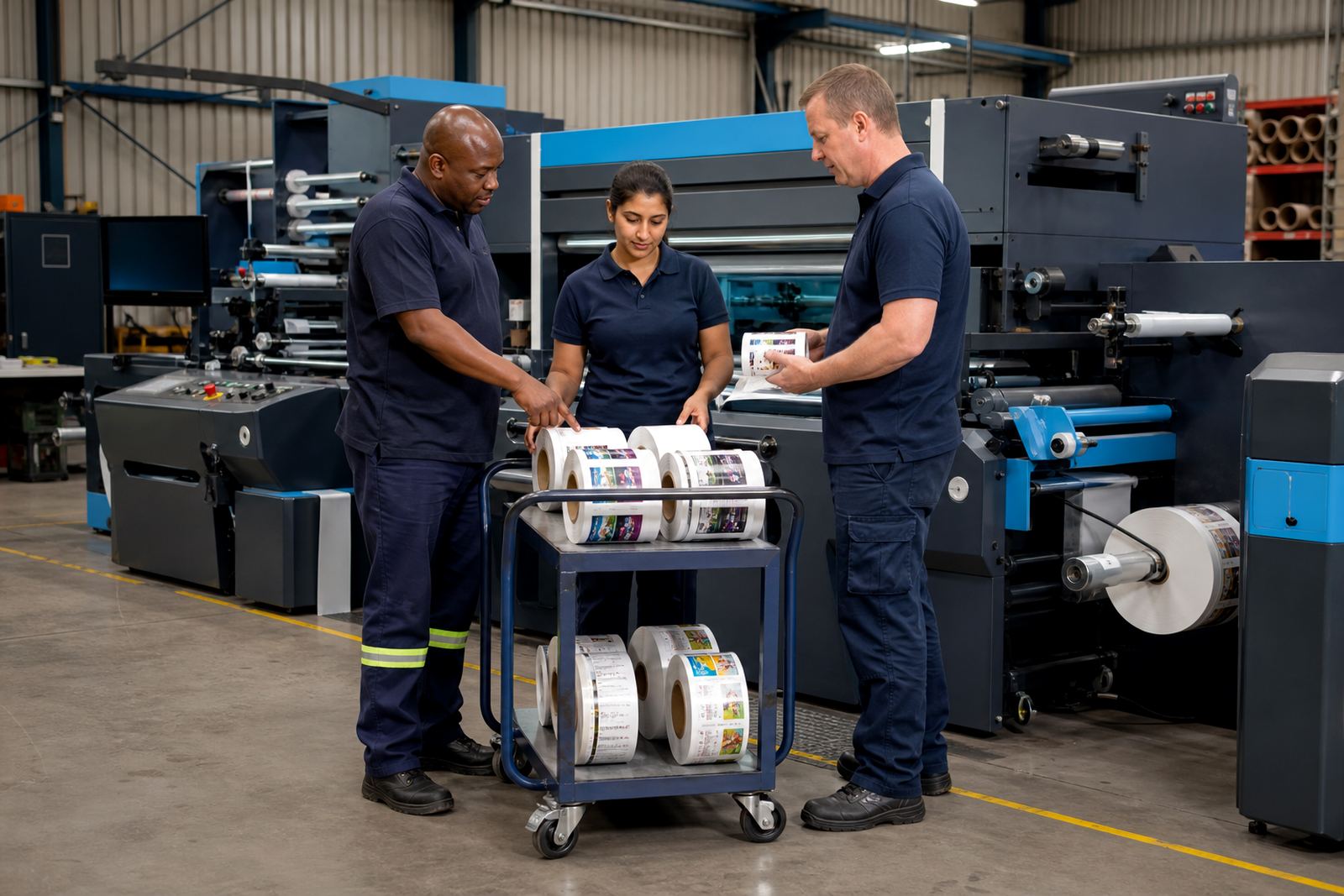
During acceptance, the production team is not only looking for a neat sample. They want proof that the machine holds its settings, lets the operator make normal adjustments and can keep the output within the job spec. That matters on pressure-sensitive labels, shrink applications and packaging work where the final roll has to feed into another process without fuss.
A good test also checks how the machine behaves with the stock the plant actually uses, not only with a perfect sample roll. Matte papers, clear films and textured substrates can all behave differently under lamination and die-cutting. On a humid week in Durban, for example, a film that looked stable in the morning can need a fresh tension setting by the afternoon.
- Finished rolls must unwind cleanly at the next stage
- Slitting width has to suit the downstream cutter
- Waste matrix must release in one piece where possible
- Lamination should stay flat, without bubbles or tunnelling
- Operators need settings they can repeat with confidence
A local case from Kya Sand to a packing line in Gauteng
A packaging producer in Gauteng may ask for a new finishing line to handle self-adhesive labels for short production batches. In the handover, the first concern is often not speed, it is control. The job may need narrow lanes, tight slitting and a rewind that stays square from the first label to the last.
During a real acceptance run, we would load the stock, confirm the artwork marks and then step through the job in stages. The operator watches how the machine reacts when speed changes, when a splice comes through, or when the matrix is heavier than expected. If the finished roll needs to feed into packing or over-labelling, the rewind has to be tidy and firm enough to travel without damage.
That sort of test tells the team what the line can do before a full production batch goes out. It also gives the operator a clear feel for the settings that matter most on that machine.
The checks that stop trouble after the installer leaves
Once the first run is done, the useful questions are practical. Can the line hold the same cut over a long roll? Does the waste strip stay together through changes in tension? Will a new operator understand the settings without guessing? Those answers matter more than a perfect sample on the day.
Preventive maintenance also begins here. If a bearing feels rough, a sensor is reading late or a guide is not tracking true, the issue is easier to sort before production pressure builds. That is part of the reason an acceptance run is worth doing properly, with the actual job stock and not a test that looks neat only for a few metres.
What our team records during the test run
The handover note should be specific enough for the shop floor to use later. A vague approval is not much help when the same job returns with a different roll width or a changed laminate. Clear notes help the team repeat the result and keep the finishing line steady across shifts.
- Substrate type, roll width and core size
- Registration mark position and sensor setting
- Die depth or laser setting used on the job
- Slitting positions and rewind tension
- Any changes made during the approval run
When those notes are kept properly, the next setup is less of a guess. The operator can see what worked on a previous roll and where the machine needed a small correction.