Core size is a handling decision, not only a machine detail
The core is the tube inside the finished roll, and its diameter shapes the whole rewind package. A 25 mm core suits compact label rolls in some light-duty work, while 76 mm cores are common where rolls need firmer support, steadier rewind and easier handling on wider webs. Larger cores spread weight better, which helps when rolls are dense after varnish, lamination or heavy adhesive coverage.
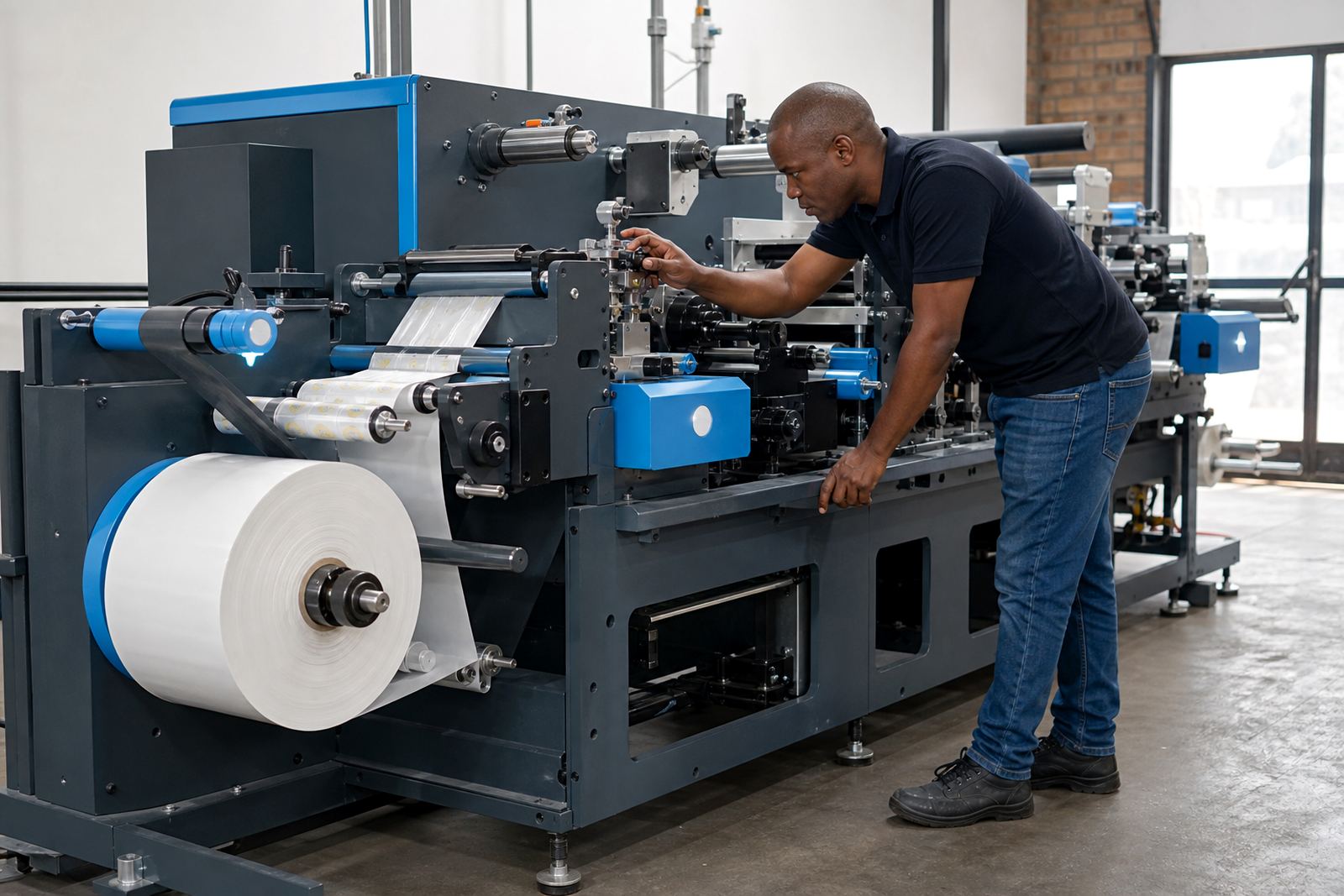
On digital label finishing lines, the core choice must match the unwind and rewind shafts, the slit width, and the way the operator removes the finished roll. A roll that looks neat on the bench can still collapse at the edges if the core is too small for the web tension and roll diameter.
What changes when the core diameter changes
Core size affects the mechanics of rewind and the practical use of the finished roll. A smaller core gives a tighter centre, but it can force a steeper bend in the first layers of label stock. With delicate facestocks or pressure-sensitive materials, that bend can leave a mark, especially where registration marks are close to the edge and the slit lanes are narrow.
- Smaller cores usually suit lighter rolls and tighter storage spaces.
- Larger cores often support heavier labels, liners and laminated rolls better.
- Core choice changes how the roll sits on the mandrel during rewind.
- Finished rolls for automatic applicators often need more stable core support.
- Packaging jobs with heavier varnish or film layers may need firmer cores.
Matching the core to lamination, varnish and die-cut depth
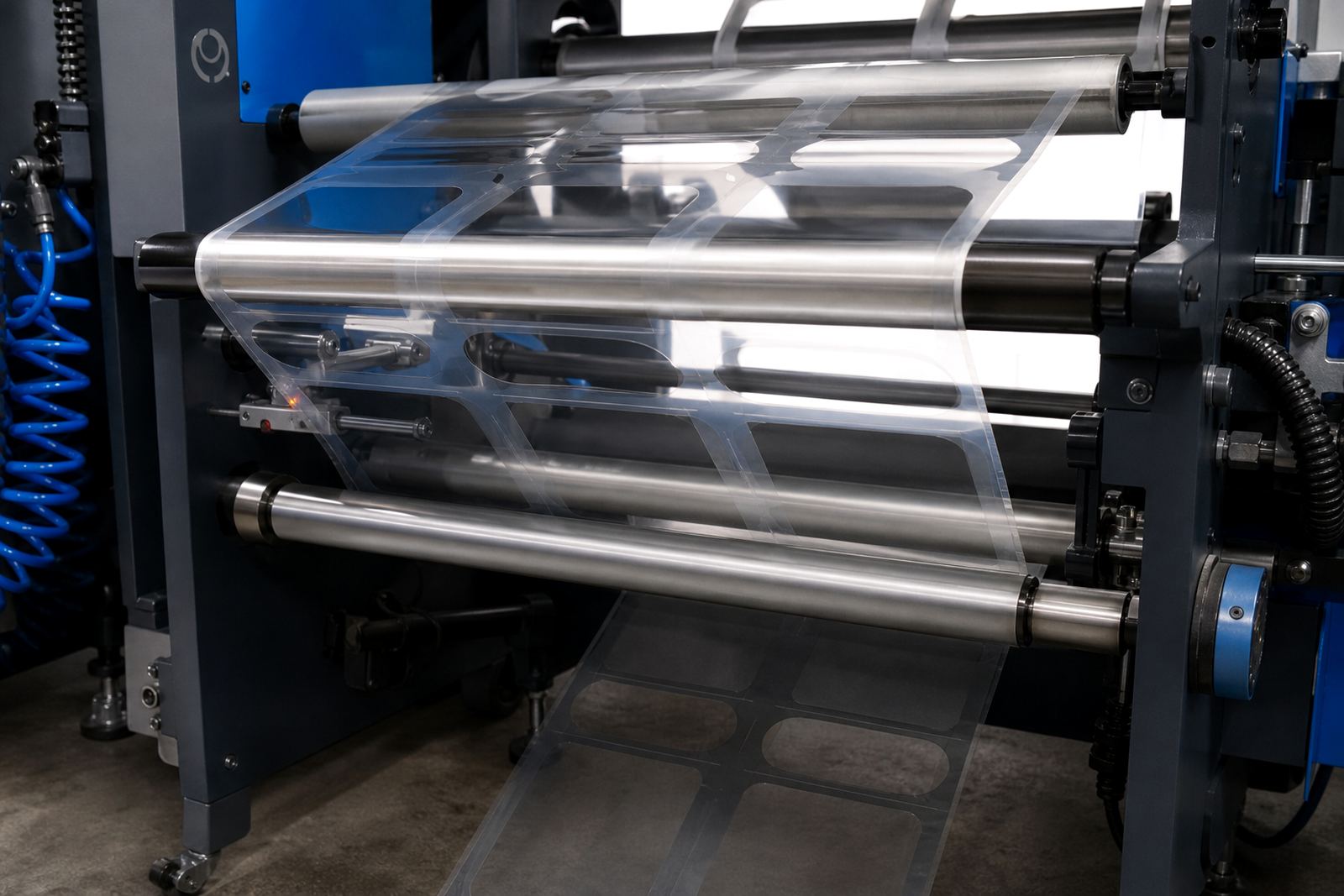
Finishing steps alter the final roll build. Lamination adds stiffness and bulk, while varnish can change surface slip and winding behaviour. If the die cut is deep and the matrix stripping leaves a clean edge, the roll still needs enough centre strength to keep the outer wraps aligned. When the web carries multiple label-up lanes, the core choice also affects how evenly the slit reels start and stop.
Laser and semi-rotary die-cutting lines need accurate registration, but rewind quality only holds if the core diameter and face stock behave as one system. A poor match can cause telescoping, loose edges or a cone-shaped roll that is awkward on the packing bench.
When a 3 inch core makes more sense than a smaller core
In many South African label rooms, 76 mm cores are used because they suit heavier finished rolls and many downstream applicators. They also help when finished rolls are stored in warm, humid conditions, such as coastal Durban or Gqeberha, where softer rolls can shift if the centre is too narrow. On wider webs and higher output jobs, the larger core gives the operator a little more forgiveness during rewind setup.
A 3 inch core is often the better pick when the roll will travel through packing, warehouse handling and customer application. It is not the only answer, but it is a safe working size for many commercial label runs where consistency matters more than saving a few millimetres of core tube.
A Randburg example from a busy label floor
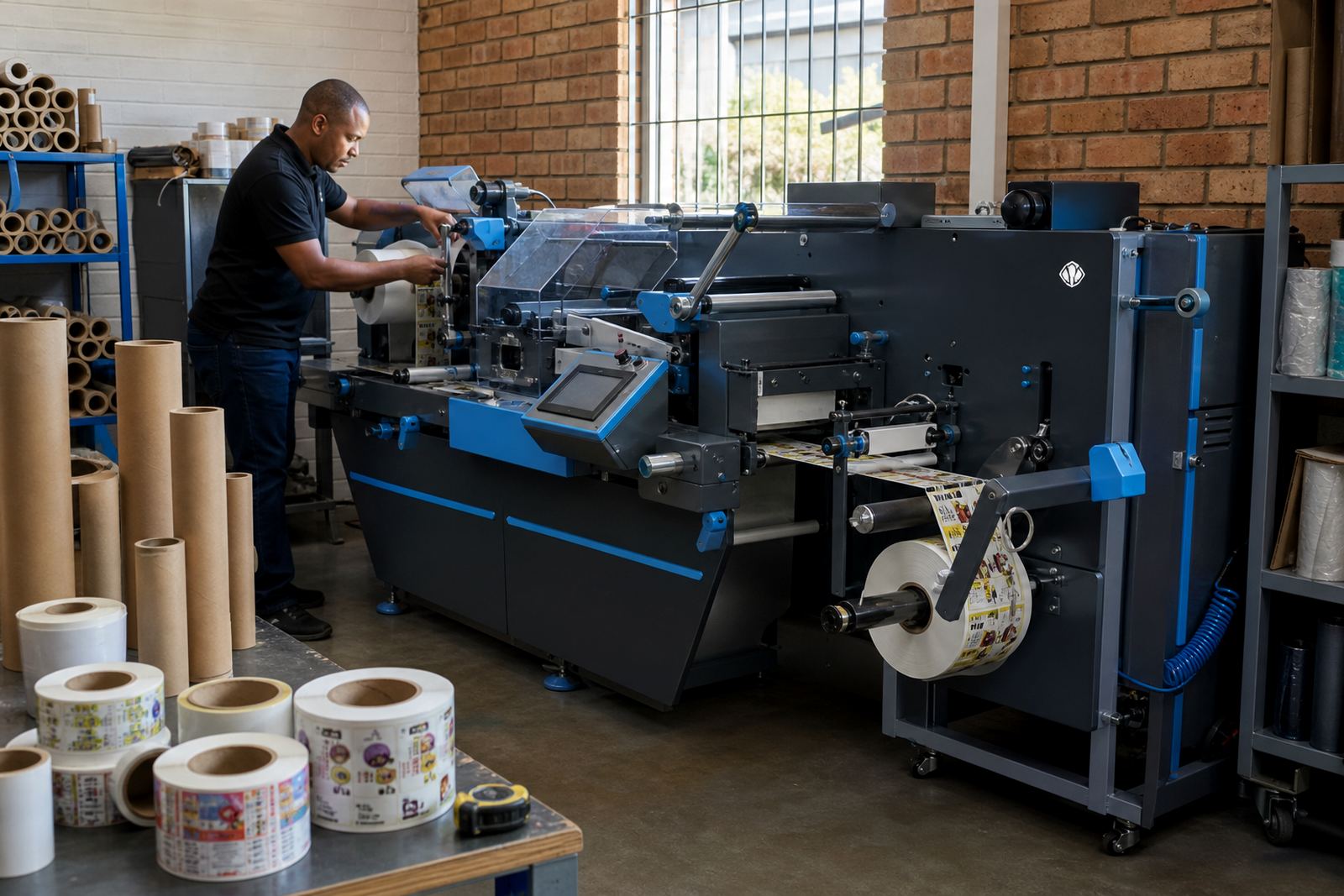
A label printer in the north of Johannesburg was finishing short-run food labels with lamination, matrix stripping and slitting in the same shift. The team found that smaller cores were leaving the finished rolls too soft at the centre, especially on wider repeats and heavier stock. Once the rewind setup moved to a firmer core and the tension settings were matched to the roll weight, the packing team spent less time sorting crushed ends and uneven starts.
That kind of change does not need a new line, only a better fit between the core, the web path and the final use. In practice, the right core often saves time later in dispatch and on the customer side.
Practical checks before you set the core size
A core choice should follow the label job, not habit. The right size depends on roll width, final outer diameter, liner stiffness, and whether the roll is going to hand application or machine application. If the roll needs to stay neat for longer storage or travel across the country, a firmer core usually pays for itself in fewer damaged ends.
- Check the rewind shaft size and core holder fit.
- Confirm the label width and final outer roll diameter.
- Look at adhesive strength, liner stiffness and film layers.
- Match the core to the application method after finishing.
- Set rewind tension so the roll stays round and even.
For mixed production, it helps to standardise the most common core sizes and keep the setup notes clear. That makes operator training easier and reduces guesswork when production changes from a short promotional label to a heavier packaging run.