What the laminate is telling you
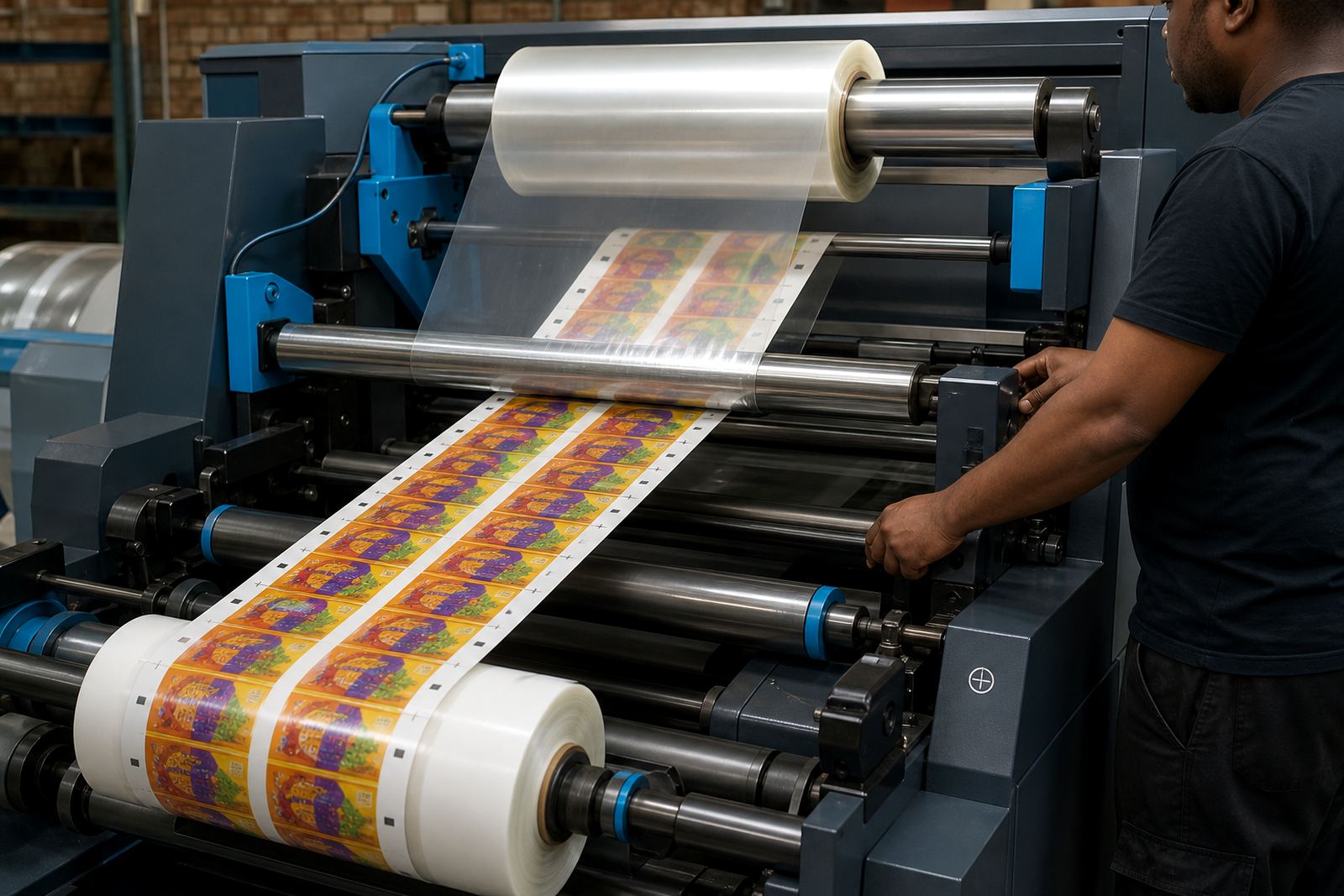
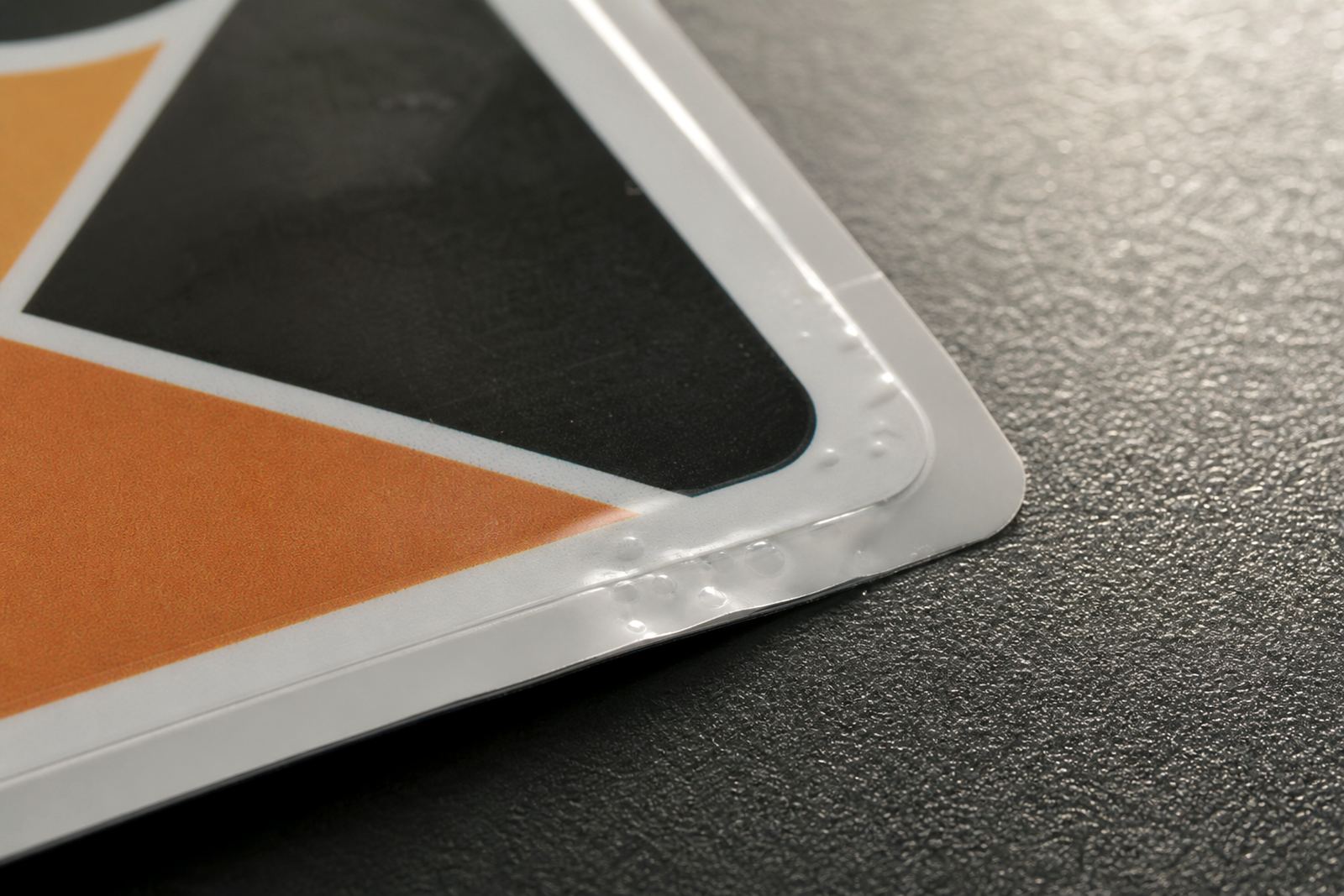
When a laminated label shows bubbles, the film is not lying flat against the print surface. Small pockets can form where air, dust or uneven pressure sits between the layers, and edge lift often appears where the bond is weakest along the cut or at the web edge.
In many print shops the first reaction is to blame the laminate film alone, but the cause is often shared. The press output may still look good on the sheet, yet the roll can carry a little curl, tack, powder or oil from handling that becomes obvious once the material is wound tight.
Pressure that is too light or too eager
Lamination pressure needs to suit the stock, the adhesive and the speed of the line. If nip pressure is too low, the film will bridge over tiny surface points instead of bonding into them. If the setting is too aggressive, the web can stretch and trap pockets near the edges or around heavy print areas.
A steady setup is usually better than chasing a quick fix on the next roll. Operators should watch for repeat marks across the web, because a pattern that repeats at a fixed spacing often points to the rollers or the unwind path rather than the artwork.
- Check roller pressure across the full web width.
- Look for uneven contact near the edges.
- Watch whether bubbles repeat at regular intervals.
- Confirm the web is running square through the line.
Cleanliness is small, until it is not
Dust, adhesive mist, cutting residue and loose fibres can all stop a laminate from seating properly. On a warm afternoon in Kya Sand a roll may pick up far more debris than expected while it waits near an open doorway or a loading bay. Even a thin film of contamination can create a bubble that grows once the roll is rewound tightly.
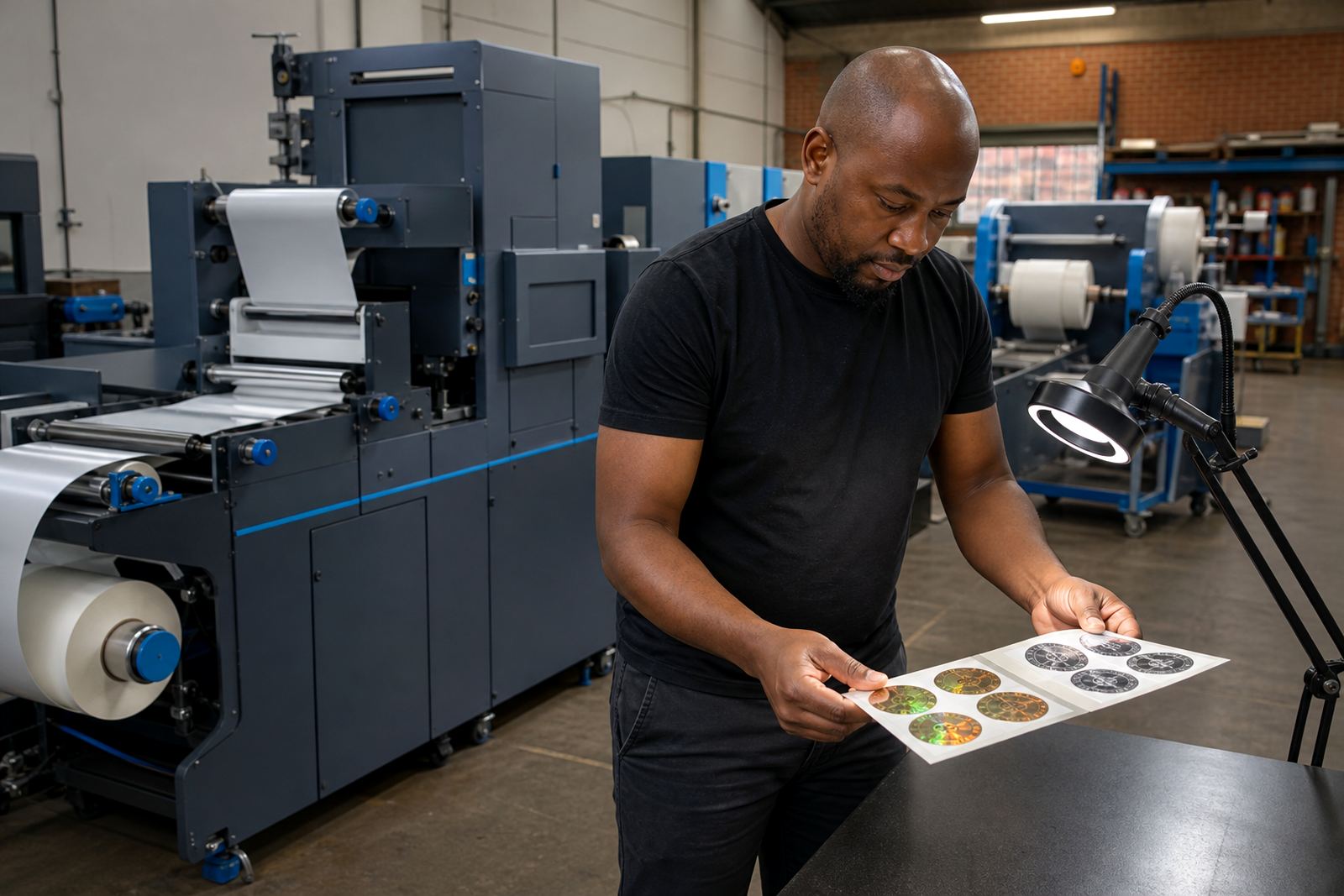
Press crews often notice the fault only after slitting or die-cutting, because that is when the trapped air becomes visible along a fresh cut edge. A clean worktable, clean gloves and a clear path from print to finishing matter more than most teams think.
Material handling before the roll reaches finishing
Some lift starts long before the laminate touches the web. If printed rolls are stacked badly, stood on end for too long, or stored in a damp room, the substrate can curl and change shape. In coastal areas such as Durban, that extra moisture can make a narrow label stock behave differently by the afternoon than it did at unpacking.
Handling problems also show up when rolls are wound too tight, or when a core is damaged and the roll does not unwind evenly. The laminate then has to fight the memory of the roll, and the edges are usually the first place to complain.
- Store rolls flat where possible.
- Keep cores round and undamaged.
- Let the substrate acclimatise to the room.
- Avoid crushing the web during transport.
Registration marks and edge control on digital finishing lines
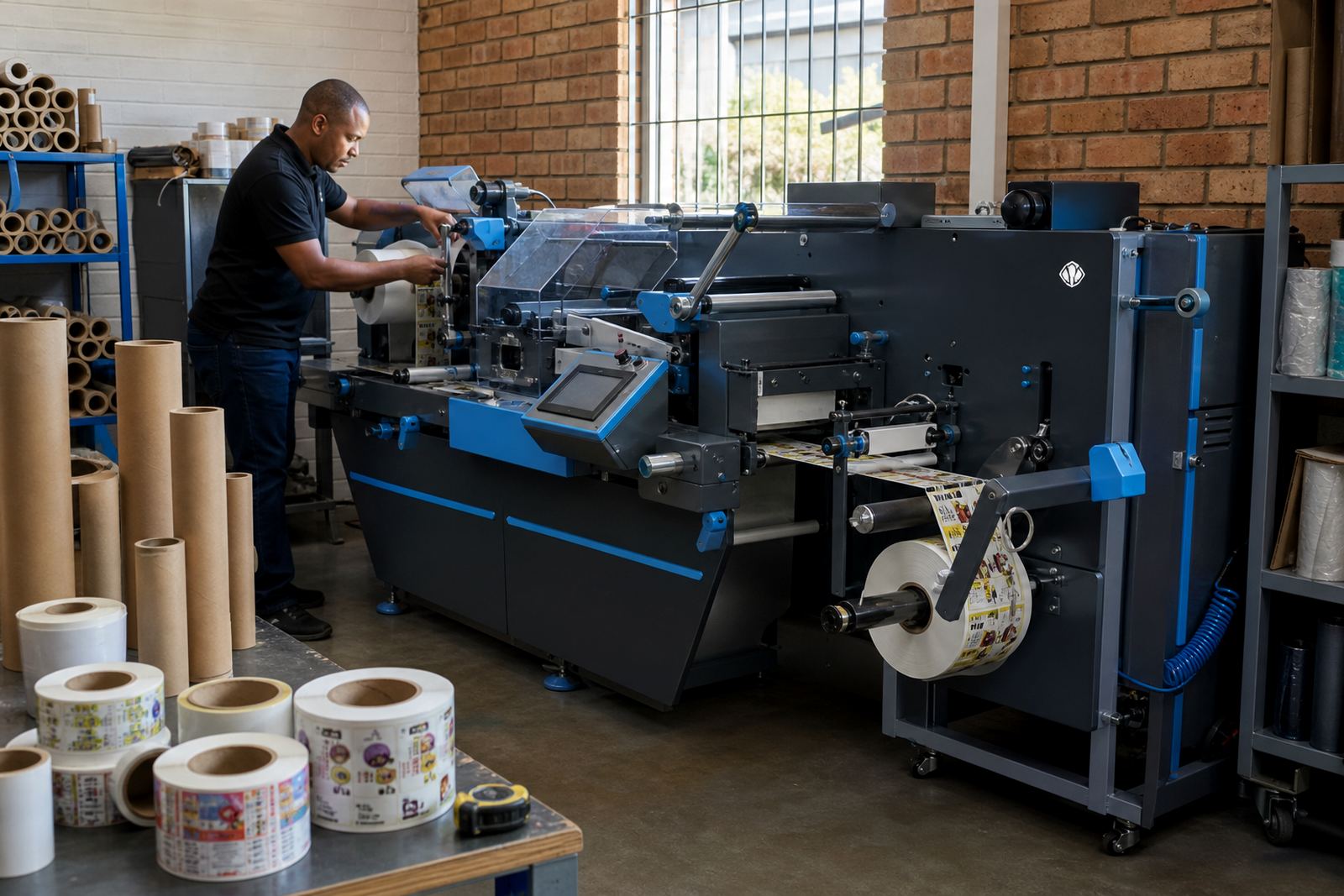
On digital label finishing machines, good registration is not only about die-cut accuracy. It also affects where lamination starts and how the web tracks through slitting and rewinding. If sensors read the marks late or the web drifts, the laminate can land a touch off centre and the edge will start to open after rewind.
Teams using laser or semi-rotary die-cutting know that the cut and the laminate have to work together. A clean cut with poor rewind setup can still leave a lifted corner, especially on narrow labels or on material that carries a strong release pattern.
When the line is set correctly, the web should stay stable through unwind, laminate, die-cut, strip waste, slit and rewind without the edge wandering from one side to the other.
A Randburg example that keeps coming up
A packaging producer in the northern suburbs brought in a run of labels with bubbles appearing near the right edge only. The first thought was a bad adhesive batch, but the real issue was a mix of light nip pressure and a slightly crowned roller. Once the web path was squared, the pressure reset and the rolls were rewound with less tension, the edge lift stopped showing up on the finished reels.
That kind of fault is common on busy South African lines where one operator may set up the run and another handles slitting later in the day. The machine may be fine, yet the fault travels through the process if nobody checks the handover points.
A short list for operators before the next run
If bubbles or lift keep appearing, start with the items that are easiest to check at the machine. A careful walk through the line will often show whether the fault belongs to pressure, cleanliness or handling before the first completed roll is wasted.
- Inspect the web for dust, fibres or visible oil.
- Check laminate pressure across the full width.
- Confirm unwind tension and rewind tension are balanced.
- Watch the registration marks during the whole run.
- Inspect slit edges for signs of stress or curl.
When the fault is traced early, the cure is usually small. A pressure change, a cleaner web path or a calmer rewind setting can turn a troublesome roll into one that stacks neatly and finishes cleanly.