The layer that changes the whole label
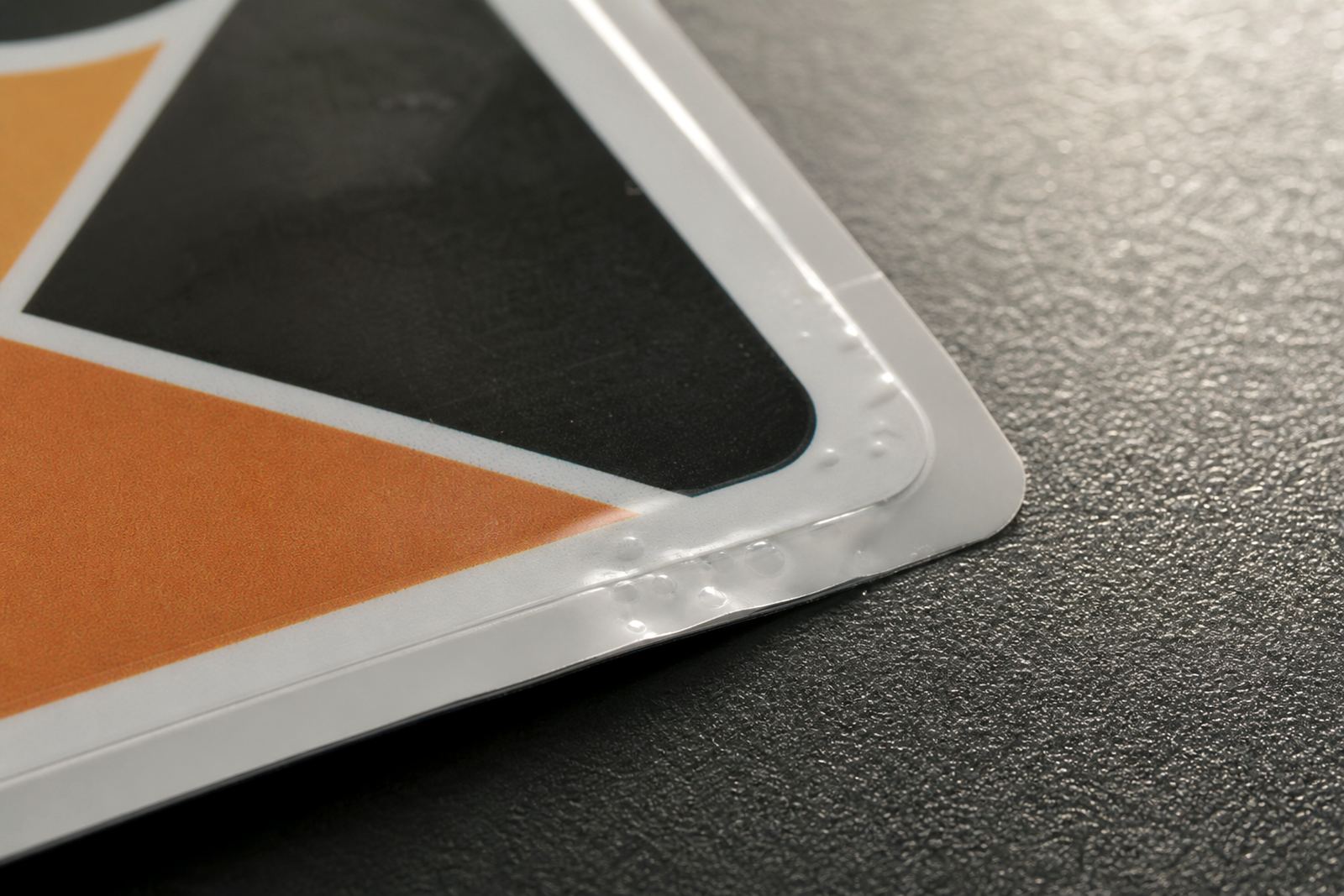
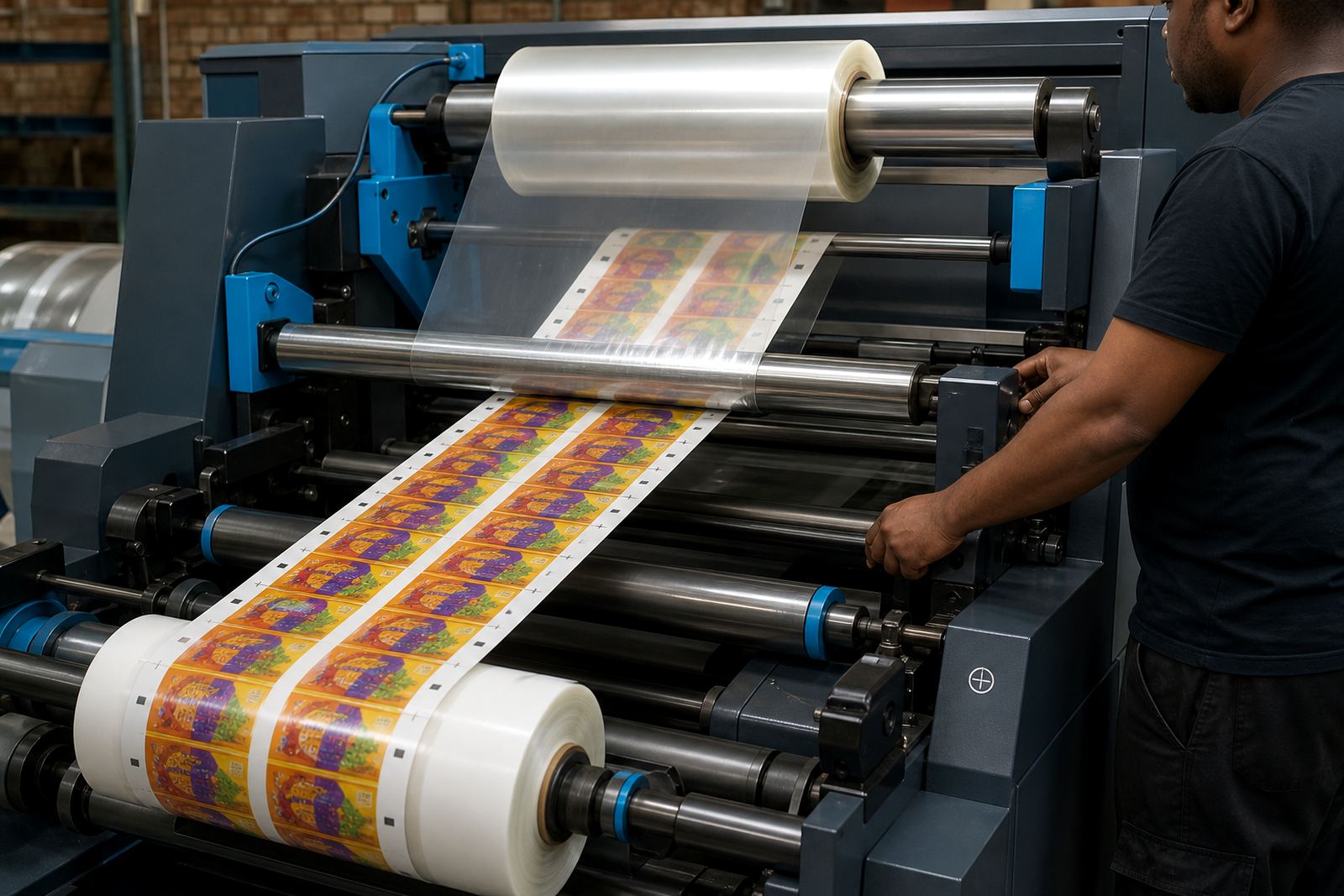
In label converting, lamination is not just a cosmetic extra. A clear overlaminate can stiffen a soft printed web, improve rub resistance, and give the surface a cleaner, more controlled finish. On short-run digital work, it often decides whether the label feels handled, or properly finished.
That matters in food, personal care, cleaning products and many industrial packs where labels get touched, stacked and moved through cartons. The film layer also changes the way the web behaves before and after die-cutting, so the finishing line must be set with care. A poor setup can create curl, poor cut depth, or waste that lifts in the wrong place.
What lamination does to durability
The most obvious benefit is protection. A gloss or matt overlaminate helps guard against scuffing from conveyors, cartons and manual packing. It also improves resistance to moisture, light handling and surface dirt. For labels used in cold rooms or humid coastal towns like Durban and Gqeberha, that extra layer can make a visible difference.
- It protects fine text and barcodes from rubbing.
- It helps reduce print wear on high-contact packs.
- It can improve resistance to splashes and handling marks.
- It supports labels that must stay neat through transport and storage.
The finish selected should suit the product, not just the artwork. A heavy gloss can look sharp on premium packaging, while matt may be better where glare causes reading problems or a softer look is preferred. The film thickness also matters, because thicker material changes stiffness and winding behaviour.
How it affects cutting, stripping and rewind
Once a label carries an overlaminate, the finishing process becomes more sensitive. The die cut must go through the face material and adhesive layer without scoring the liner. If the cut is too deep, the web can break during stripping or rewinding. If it is too shallow, labels may tear or lift on press.
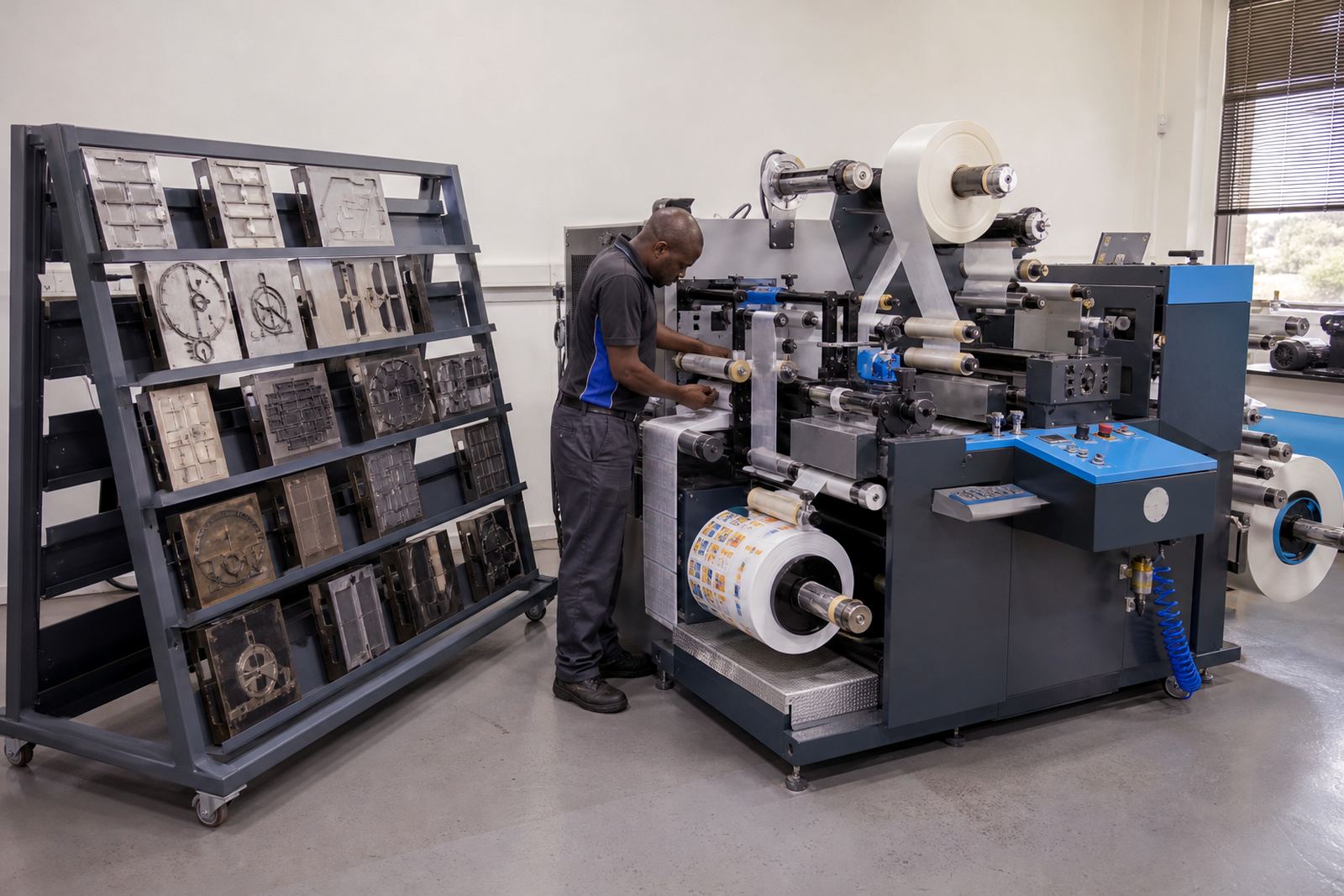
Laminate can also influence matrix stripping. Some films hold cut waste neatly, while others create narrow bridge points that need cleaner web tension and more careful slitting. On a semi-rotary line, registration marks must stay readable so the cutter tracks the print accurately. On laser finishing, the system has to manage heat and edge quality with the laminate on top.
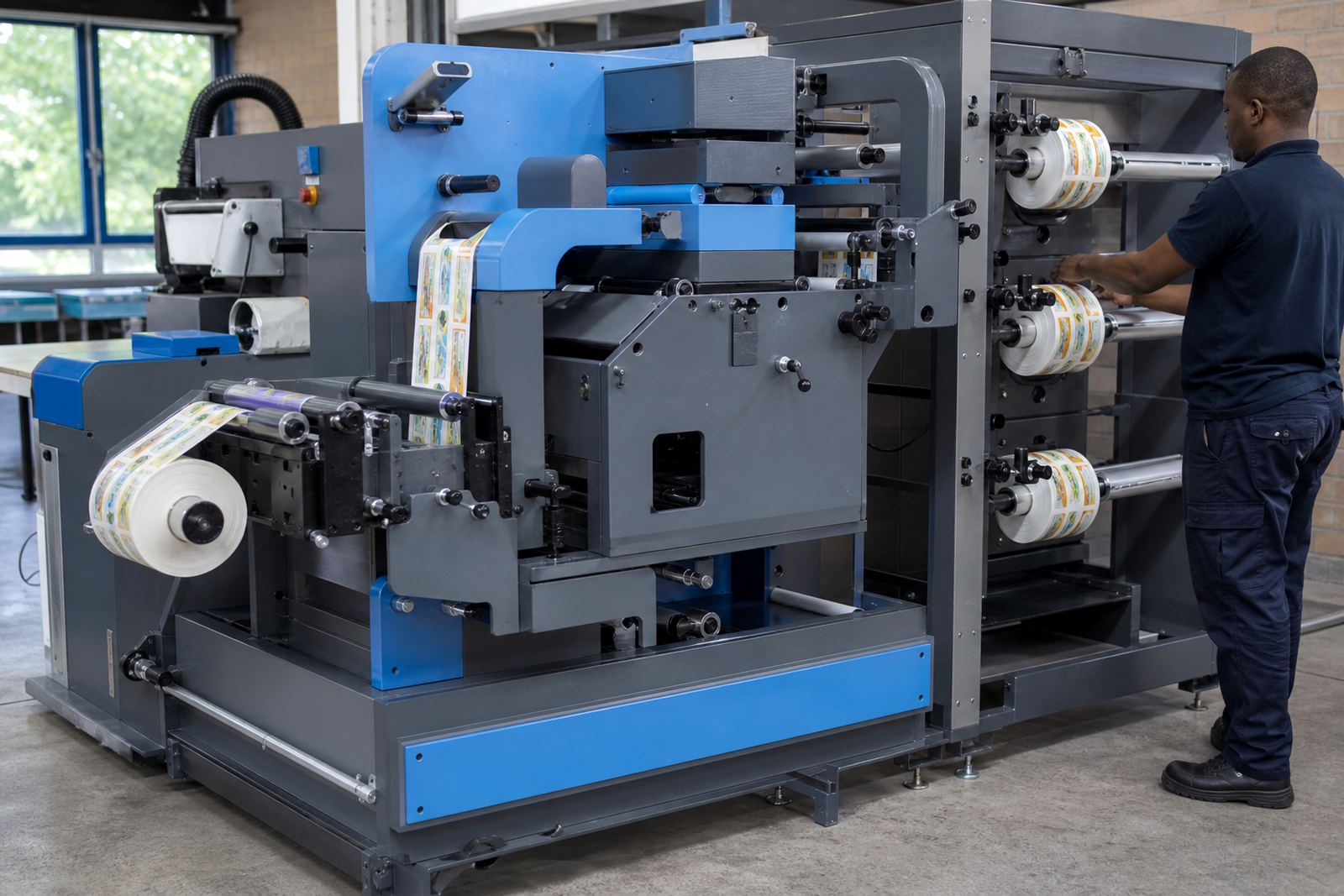
In practical terms, the finishing line often needs three adjustments at once: web tension, cut pressure and rewind setup. Get one of them wrong and the roll starts to wander. Get all three right and the output feels calm, even on tricky short runs.
A Randburg job that shows the point
A packaging producer in the Randburg area was running short batches of digitally printed labels for a household product range. The print looked fine, but the finished rolls were scuffing in transit and the outer cartons were showing wear marks. The answer was not more ink. It was a better overlaminate choice and a cleaner finishing setup.
After changing the film and refining the die-cut, the web tracked better through slitting and rewinding. The labels held their surface longer, and the printed colour stayed cleaner through handling. That sort of change is common in Johannesburg production, especially when jobs move from design proof to real warehouse conditions.
In South African factories, the issue is often not the print alone. It is the printed label meeting heat, moisture, dust and repeated handling before it reaches the packer. Lamination gives the label a better chance of surviving that journey.
Choosing between gloss, matt and specialty finishes
There is no single correct overlaminate. The right choice depends on the label face, the print mode and the end use. Gloss films can make colour feel sharper and improve shelf presence. Matt films reduce reflection and can hide minor handling marks. Speciality films may be used where extra chemical resistance or a softer hand feel is needed.
- Gloss suits bright retail labels and high-colour artwork.
- Matt works well where glare must be reduced.
- Thin films can suit compact rolls and fast rewind settings.
- Heavier films can improve toughness but need firmer finishing control.
Registration marks still matter after lamination, because the cutter depends on clean mark reading to follow the print. If the laminate changes the surface reflectivity, the mark placement and contrast need checking before a full run starts. That saves waste and keeps the line from chasing itself.
What good lamination setup looks like on the floor
A sound setup starts with the roll build. The web width, core size and outer diameter must suit the finishing machine and the final pack format. Then the line needs the right sequence: unwind, lamination, die-cutting, matrix stripping, slitting and rewind. If any stage is out of step, the rest of the roll carries the fault.
Our technical team usually looks at the print, the adhesive system and the roll build before setting the machine. Small changes can make a big difference. A slight shift in tension, a cleaner path for waste removal, or a sharper die setup can change the whole run. Training matters here too, because the operator must recognise when the laminate is helping and when it is fighting the web.
For producers in Pretoria, Cape Town or Gqeberha, the same rule applies: the better the finishing setup, the less time spent sorting avoidable faults later. Lamination is not an afterthought. It is part of the label’s working life.
When overlaminate becomes part of the product brief
Some labels need lamination for appearance, others for survival. In many cases it does both. When a label is expected to resist rubbing, moisture or repeated handling, the overlaminate should be specified at the start rather than added late in the job. That lets the printer and the finishing team work from the same target.
At Label-Cutter, our team supports installation, operator training, preventive maintenance and line commissioning for label printers and packaging producers across South Africa. We also assist with die setup, registration calibration, rewind setup and slitting setup, because lamination is only useful when the rest of the finishing line can carry it properly.
Done well, the laminate becomes part of the label’s performance, not just its look. It protects the print, steadies the web and helps the finished roll behave better on the next stage of the production line.