When the web is narrow, every millimetre starts to matter
A narrow web line asks for cleaner tracking than a broad one. There is less margin for skew, less room for a wandering edge and less forgiveness when the substrate arrives with a curl or a slight tension change.
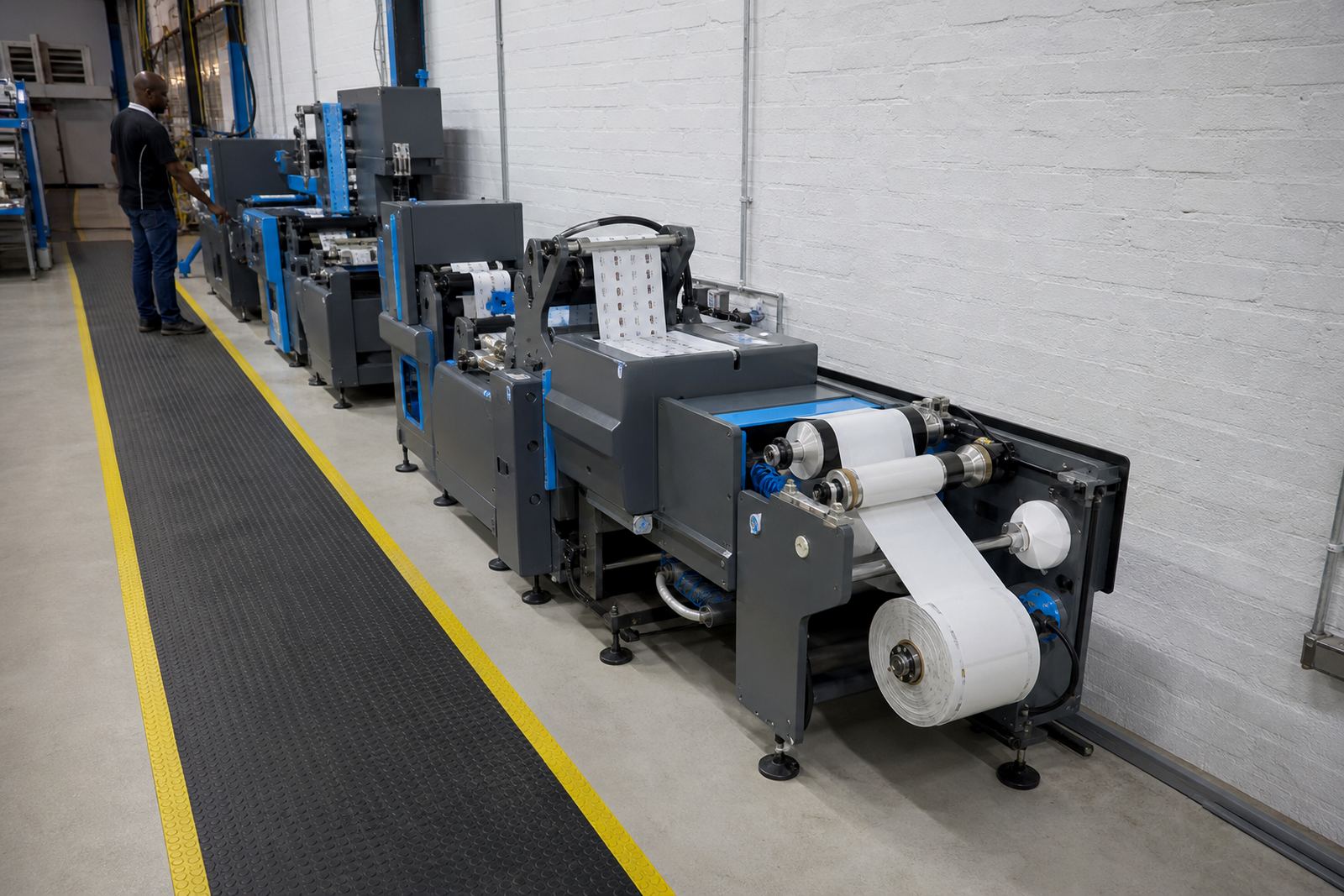
That is why line layout matters so much on compact label finishing setups. The unwind, web guide, lamination, die station, matrix stripping section, slitting knives and rewind positions must work as one path, not as separate machines placed wherever space is left.
In Randburg and the surrounding industrial areas, many packaging teams work inside rooms where floor space is already spoken for. A compact footprint can still support proper finishing, but the layout has to respect roll widths, core sizes and the way operators actually load material between shifts.
The stations that need the closest attention
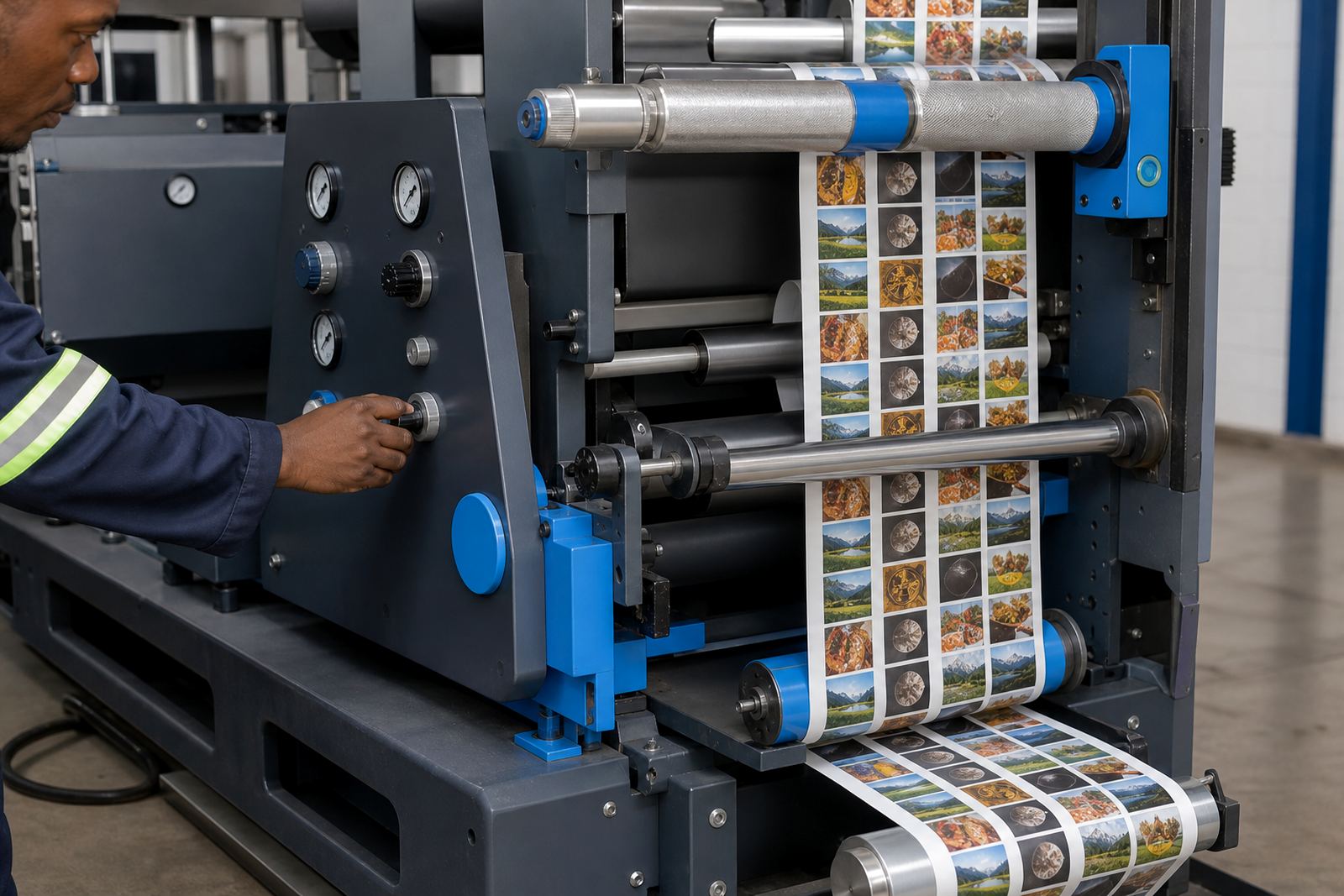
On a narrow web machine, the most sensitive points are usually the unwind tension, web guide alignment and the transfer into the die or finishing station. If the web drifts even a little, the cut can move off register, especially when printed marks sit close to the edge.
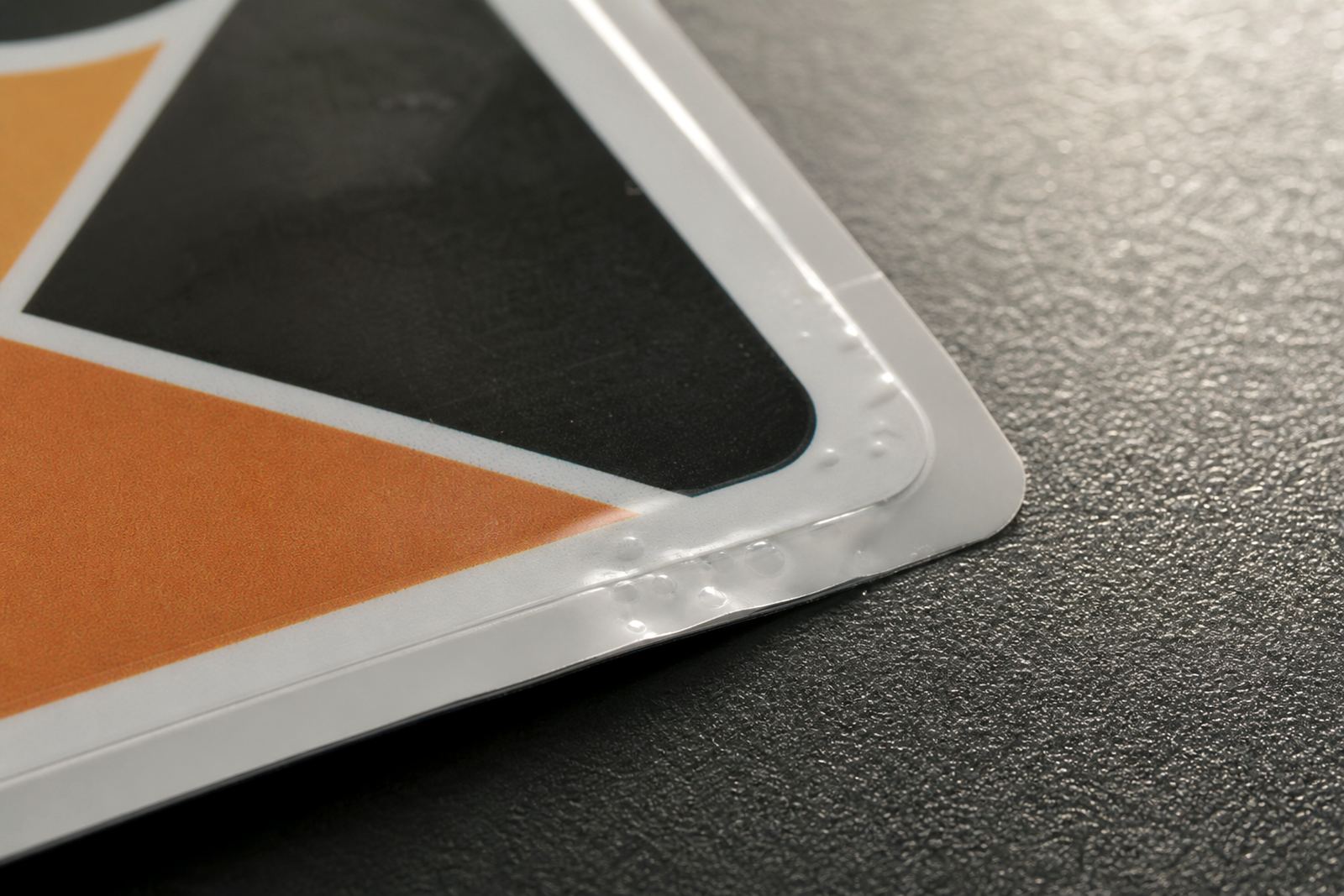
Lamination and varnish sections need equal attention. A light film or coating can change the way the web tracks, and a narrow roll will show that change very quickly. The same goes for matrix stripping, where the waste web must lift cleanly without pulling the label face out of line.
- Keep the unwind centred to the roll width, not to the room
- Allow clear access to the brake, guide and nip points
- Leave space for waste take-up and offcut removal
- Make sure the rewind can build an even roll on smaller cores
Registration marks are less forgiving on compact webs
Smaller label webs leave less printed area around each mark. That means registration sensors must be placed and calibrated with care. A mark that reads well on a wider web may become unstable once the print format tightens and the margin shrinks.
With laser or semi-rotary die-cutting, the station still depends on stable print position. If the image shifts, the cut follows the mistake. Flexible dies also need a steady feed, especially when the labels are close together and the trim between them is narrow.
For operators, the habit that helps most is simple: check the first metres, not just the first label. A narrow web can look fine on the lead-in, then show drift once tension settles into the working speed.
Space planning in a real Randburg workshop
A compact line in Kya Sand rarely gets a blank room. There may be printed roll stock, packing tables, spare cores and finished reels all sharing the same area. That means the machine layout must support movement around the line, not trap the operator inside it.
We often see better results when the finishing path is kept straight and short. The web should not make unnecessary turns before slitting or rewinding. Each extra change in direction adds another place where the edge can wander, particularly on small label rolls used for cosmetics, food packs and short-run barcoding.
In a Durban plant, humidity can also affect certain films and coated stocks. A narrow web then carries those effects faster, because the material has less width to balance the pull. That is where proper unwind setup and realistic running speed matter more than squeezing the machine closer to the wall.
- Keep finished roll discharge easy to reach
- Separate incoming stock from packed output
- Allow space for inspection of matrix waste
- Plan for operator movement around the slitter and rewind
How narrow web lines affect finishing choices
When the web is narrower, the finishing method needs to suit the job, not just the machine. Some jobs run well with flexible dies and matrix stripping. Others need semi-rotary die-cutting because the print repeat and the web length are changing from job to job.
Laser cutting can suit short runs and detailed shapes, but the layout still has to manage extraction, roll support and take-up. Slitting and rewinding become more important on narrow webs too, because the output may need to leave the line as multiple small rolls rather than one wide master reel.
For packaging producers, the question is often whether the line can keep register while also building neat finished rolls. That is the real test of a compact layout: not the number of stations, but how calmly the web moves through them.
A Pretoria job with a tight label format
One recent Pretoria support visit involved a narrow web for small-format product labels, with the print almost filling the usable width. The team needed cleaner matrix stripping and a more stable rewind because the finished rolls were building unevenly at the edges.
The fix was not dramatic. The line just needed better alignment between the registration marks, the die station and the rewind path. Once that was sorted, the operator had a clearer run and fewer starts and stops during a shift.
That kind of job shows why narrow web layouts deserve their own thinking. A wide-web habit does not always transfer neatly to a compact label line, especially where the print sits close to the trim and the roll has little room for error.
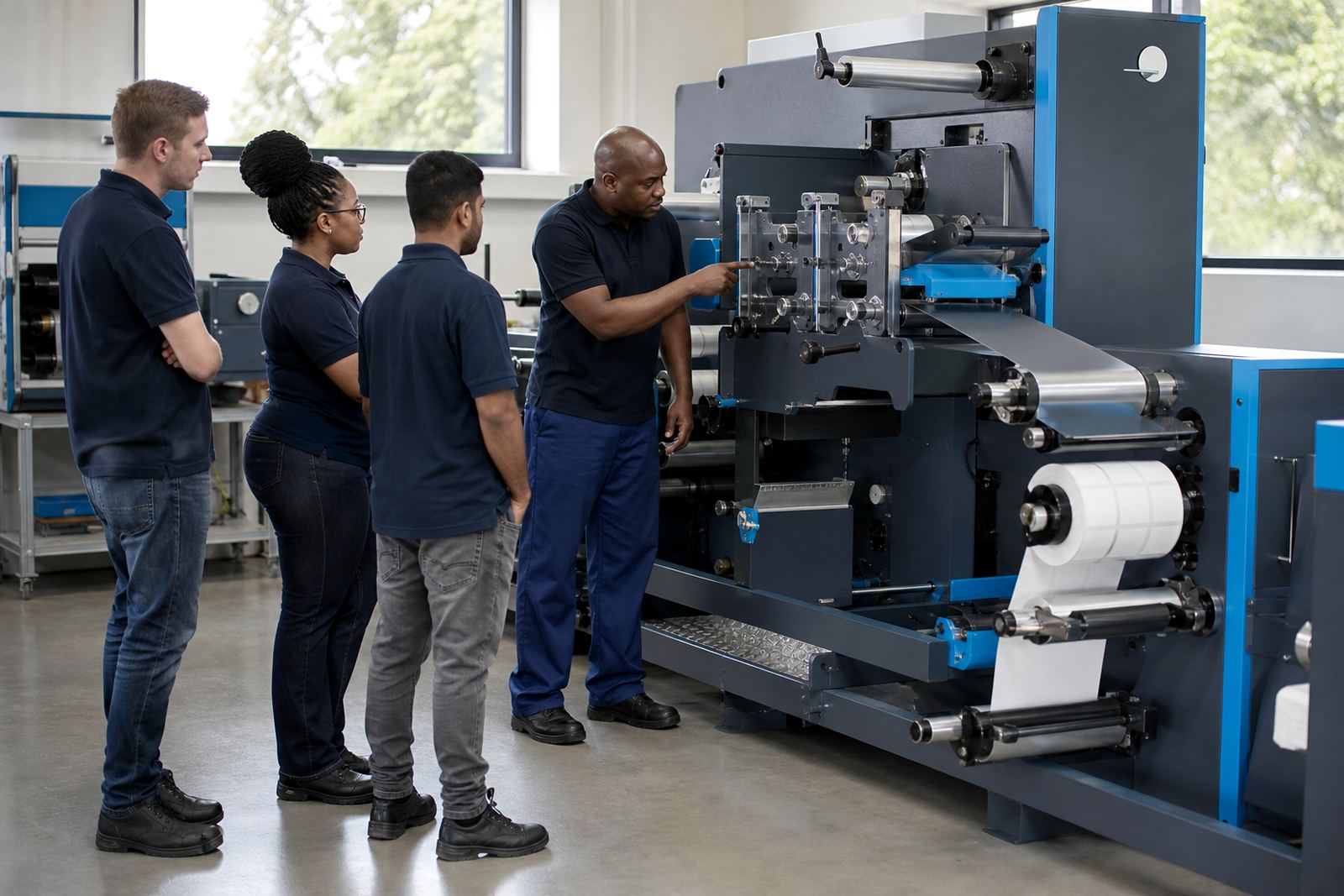
At Label-Cutter, our work covers machine installation, line commissioning, operator training, preventive maintenance, breakdown repairs, remote support, spare parts supply, die setup help, registration calibration, rewind setup, slitting setup and production optimisation across South Africa, including Johannesburg, Pretoria, Durban, Cape Town and Gqeberha.
What a practical setup review should cover
A useful review starts with the roll sizes that actually enter the line, then moves to how the web is guided, cut, stripped and rewound. The room around the machine matters too, because a good layout on paper can still fail if the operator cannot reach the controls or clear the finished reels safely.
- Roll width and core size from the unwind to the rewind
- Position of registration sensors relative to printed marks
- Waste path for matrix stripping and trim collection
- Access for slitting, inspection and roll changeover
- Space for maintenance around guides, brakes and tension controls
If the line must handle mixed work, the layout should also leave room for changeover tools and spare consumables. Smaller webs often carry shorter runs, so the machine spends more time being reset than people expect. A cramped setup makes those resets harder and slower to keep tidy.
For teams in Midrand, Kempton Park and other busy industrial pockets, that practical spacing often matters more than a long list of machine features. A narrow web line that is easy to live with will usually give steadier output than one that looks impressive but is awkward to use.