Leave the web path in a clean state
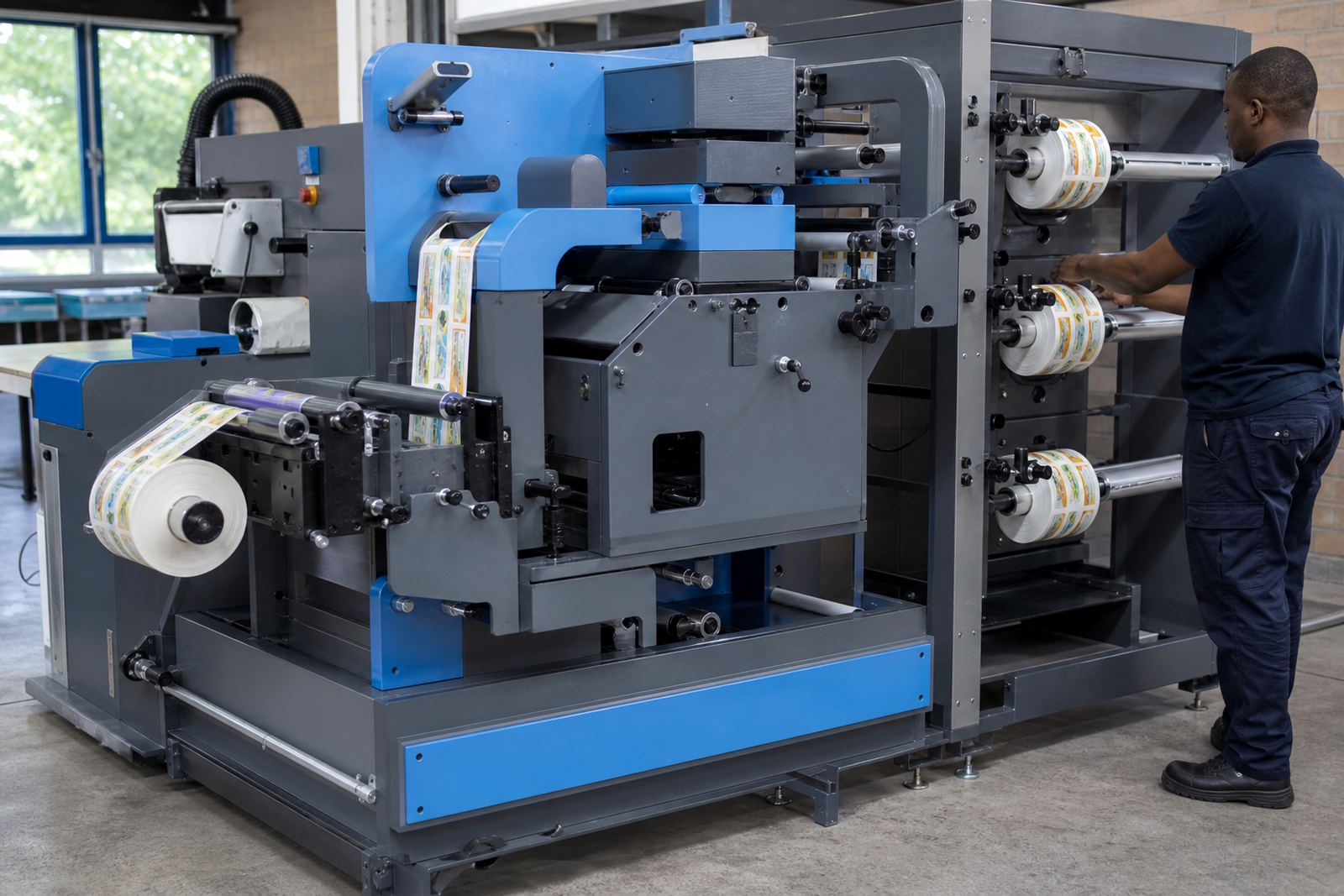
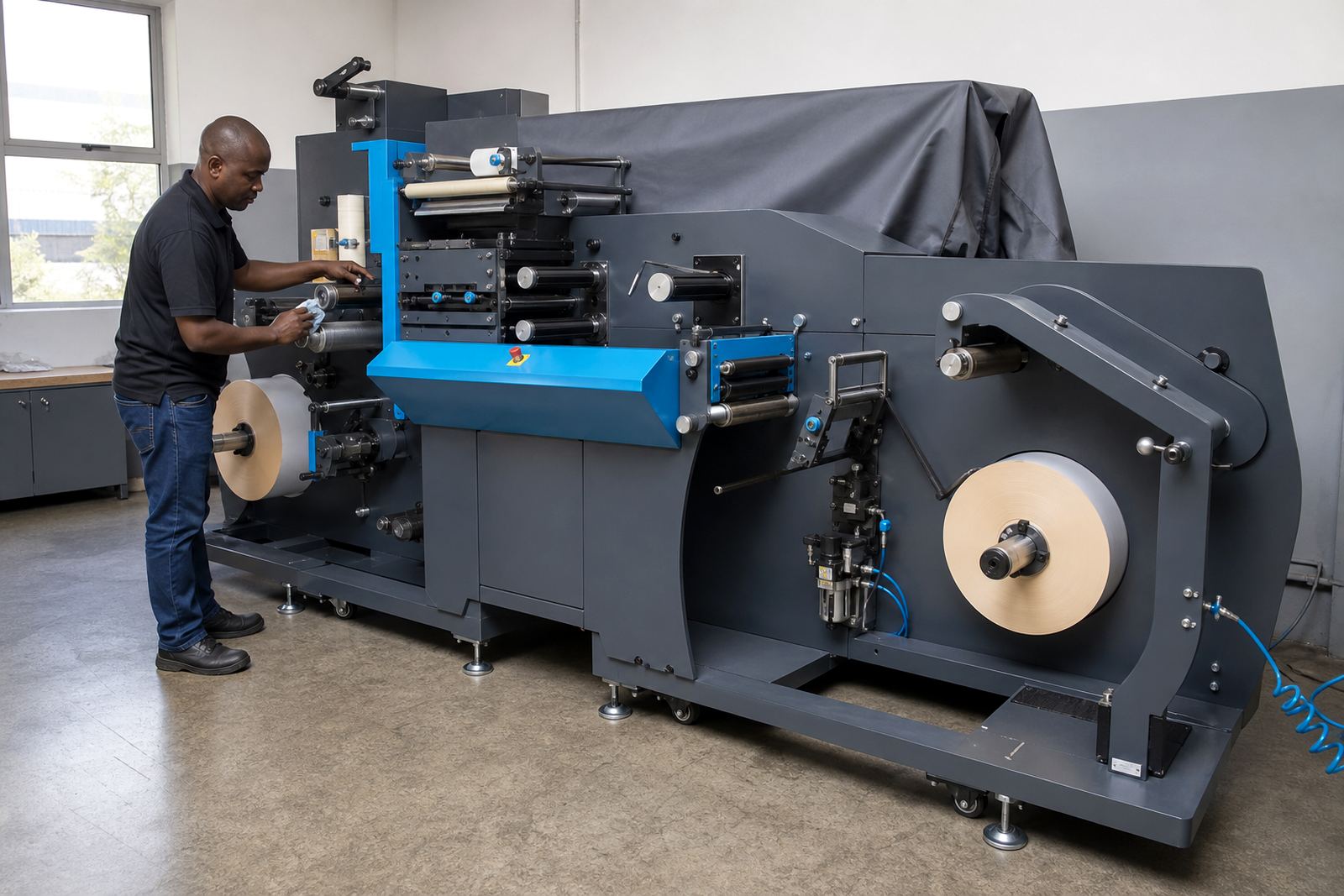
Once the final labels are off the line, clear the web path in the same order the roll travelled. Remove loose matrix, trim scraps, dust and adhesive haze from guides, idlers, rewind shafts and the waste path before it hardens overnight. A clean path helps the next roll track properly and reduces the chance of a small snag turning into wasted metres in the morning.
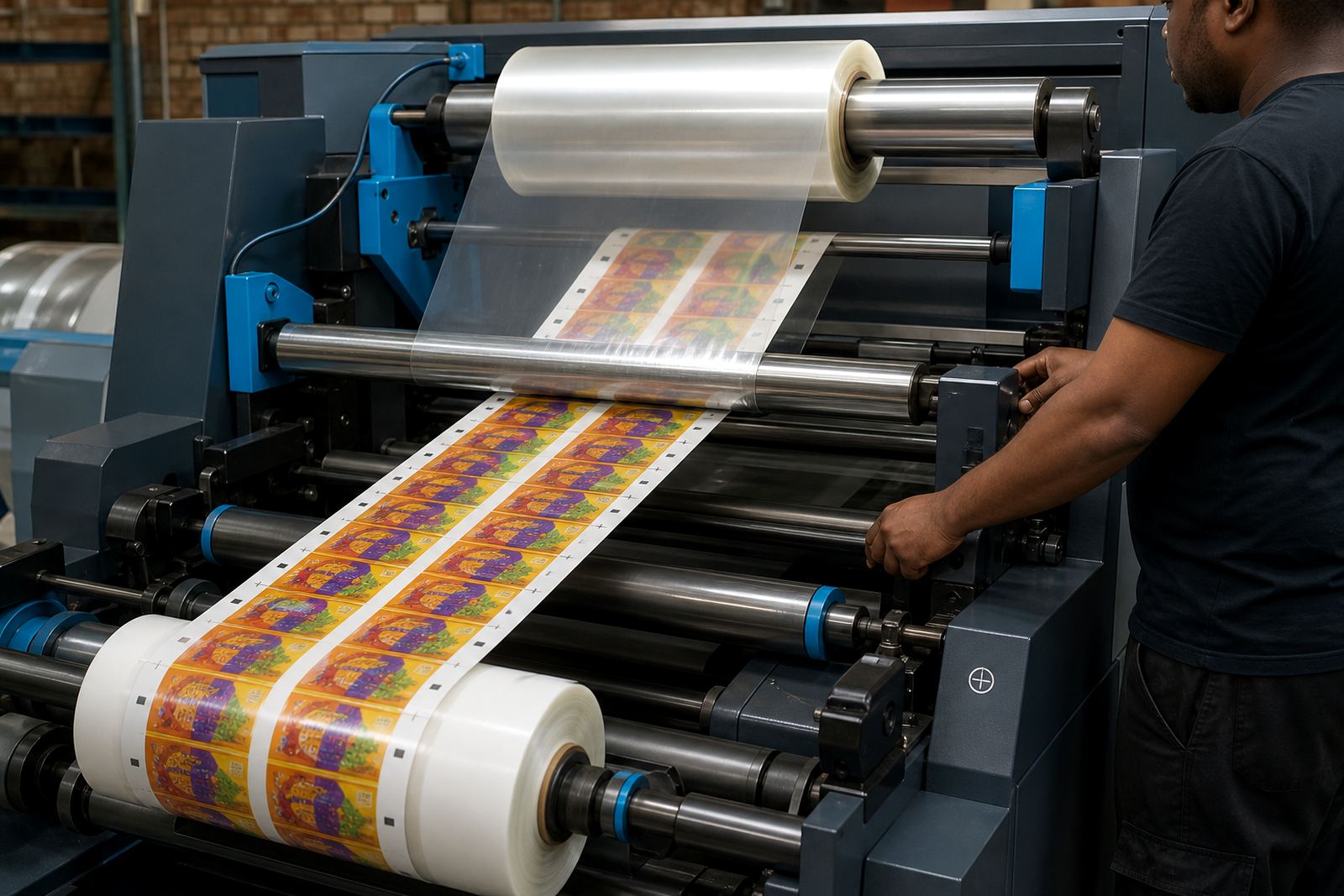
On jobs with varnish or lamination, pay extra attention to rollers and nip points. Tiny build-up around these areas can change web tension, make the edge wander, or leave marks on the face stock. In humid coastal air, especially around Durban, moisture can soften debris and make it cling harder than expected.
- Empty waste bins before they overflow.
- Brush off loose paper and film dust.
- Check that scraps are not wrapped around shafts.
- Wipe rollers with the correct approved cleaner.
Park the slitting and rewind settings with care
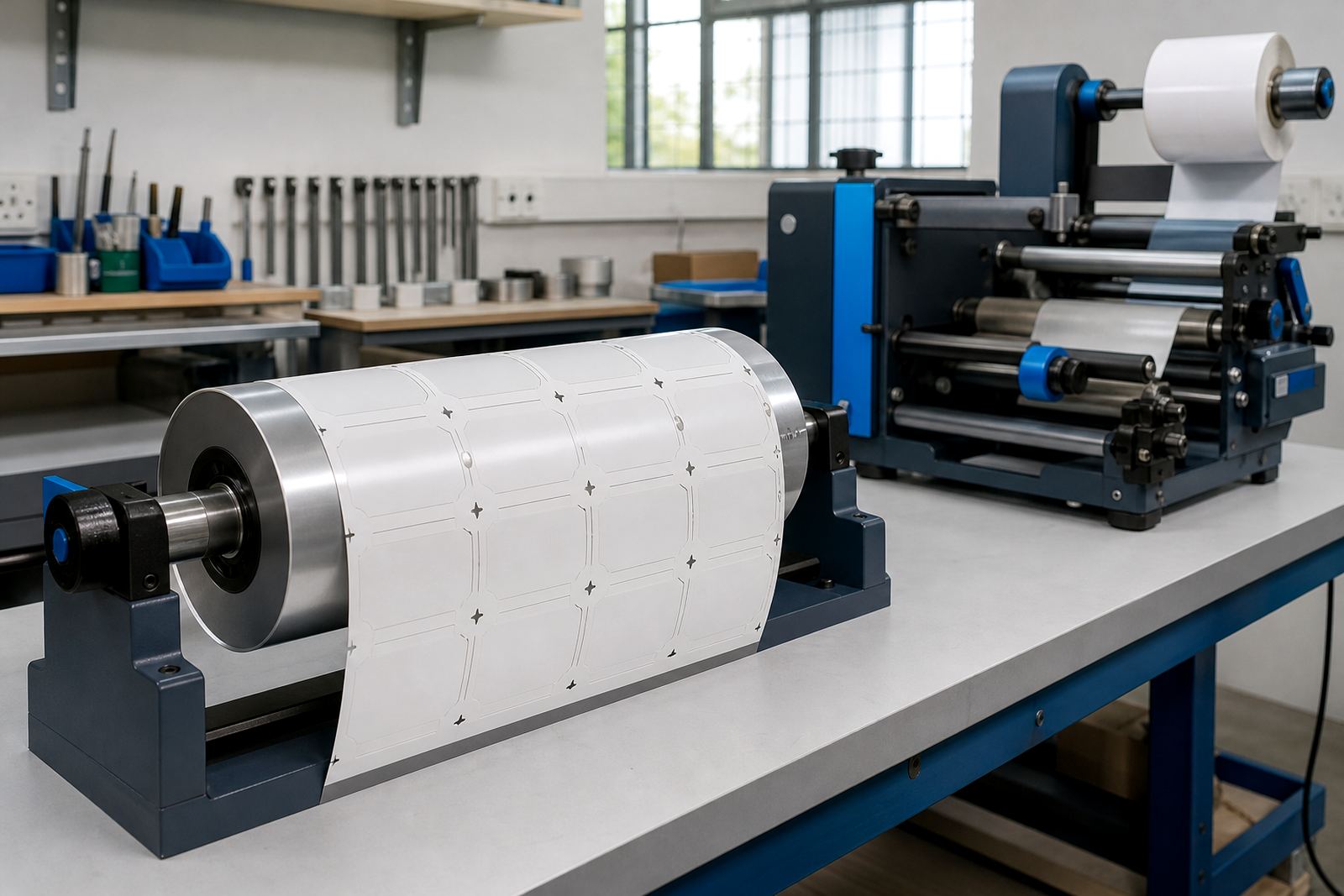
Slitting and rewinding settings should not be left to chance. Record blade positions, core sizes, tension settings and any unusual adjustments used on the day. If the line was set for narrow rolls or a special repeat, note it clearly so the next operator does not have to start from scratch.
Where a job used semi-rotary die-cutting or flexible dies, keep the die and register notes with the job file. Registration marks, especially on shorter repeats, often tell the next operator how the line was running when the job ended. That small note saves a lot of trial movement when the next run starts.
- Park blades in a safe position.
- Release tension only after the web is cleared.
- Label the finished roll count and core size.
- Store die and tooling notes with the job record.
Do not leave adhesive, varnish or label dust to set
End-of-shift cleaning is more than housekeeping. Adhesive, varnish overspray and fine label dust can settle into sensors, guides and covers if they are ignored. If those surfaces are left overnight, the next shift spends time dealing with drag, misreads or sticky transfer points instead of running the order.
For lines that use laser die-cutting, keep the surrounding area free from dust build-up and loose trim. For conventional finishing equipment, inspect the stripping area and matrix path for bits of label that have folded back on themselves. In Randburg and Johannesburg production spaces, where mixed paper and film work is common, that kind of debris shows up often after a long day.
- Wipe exposed surfaces before residue hardens.
- Check sensors and register areas for dust.
- Clear the matrix path and waste chute.
- Make sure guards and covers close properly.
Use the shutdown to read the day’s wear
Good shutdown habits also reveal problems before they become breakdowns. A noisy bearing, a belt that is starting to glaze, a guide that no longer sits true, or a rewind shaft that needs attention will often show itself at the end of a shift. When the line is quiet, those signs are easier to spot.
That is useful on packaging work where different label constructions move through the same line. A coated face stock, a clear film and a textured label each place a slightly different load on the machine. If a setup drifted during the day, the shutdown is the moment to note it while it is still fresh in the operator’s mind.
- Listen for unusual sounds as the line slows.
- Look for heat, rubbing or stray vibration.
- Check belts, bearings and guides visually.
- Write down anything that did not feel normal.
Keep the next shift’s setup in plain sight
A tidy machine room is easier to restart. Leave the correct tooling, the job note, the roll details and the setup record where the next operator can find them without searching through clutter. If a line needs registration calibration, die setup help or rewind setup at the start of the next run, the person taking over should not be guessing what was done before the line stopped.
In Cape Town or Gqeberha, where many plants handle a mix of export and local packaging, that discipline matters when the day shifts from one product to another. A clear record reduces back-and-forth at the machine and keeps the changeover grounded in facts instead of memory.
- Store the day’s tooling together.
- Keep the job card with the finished rolls.
- Mark anything that needs follow-up.
- Leave the machine area clear of offcuts and packaging.
Build a shutdown routine that fits the floor
The best end-of-shift routine is one people can repeat without fuss. It should suit the number of operators on site, the size of the rolls, and the type of finishing work being done. A line running short digital label jobs in Pretoria may need a different closing rhythm from a packaging plant in Midrand handling longer rolls and heavier lamination.
At Label-Cutter in Kya Sand, Randburg, shutdown habits are part of the wider service picture, along with machine installation, preventive maintenance, breakdown repairs, remote support and production optimisation. The goal is straightforward: keep settings honest, keep the machine clean, and keep each shift from handing avoidable problems to the next one.
- Use the same closing sequence every shift.
- Make shutdown notes part of the job record.
- Include operator training in routine refreshers.
- Call in service help when drift keeps returning.