Face-cut control for roll labels and short runs
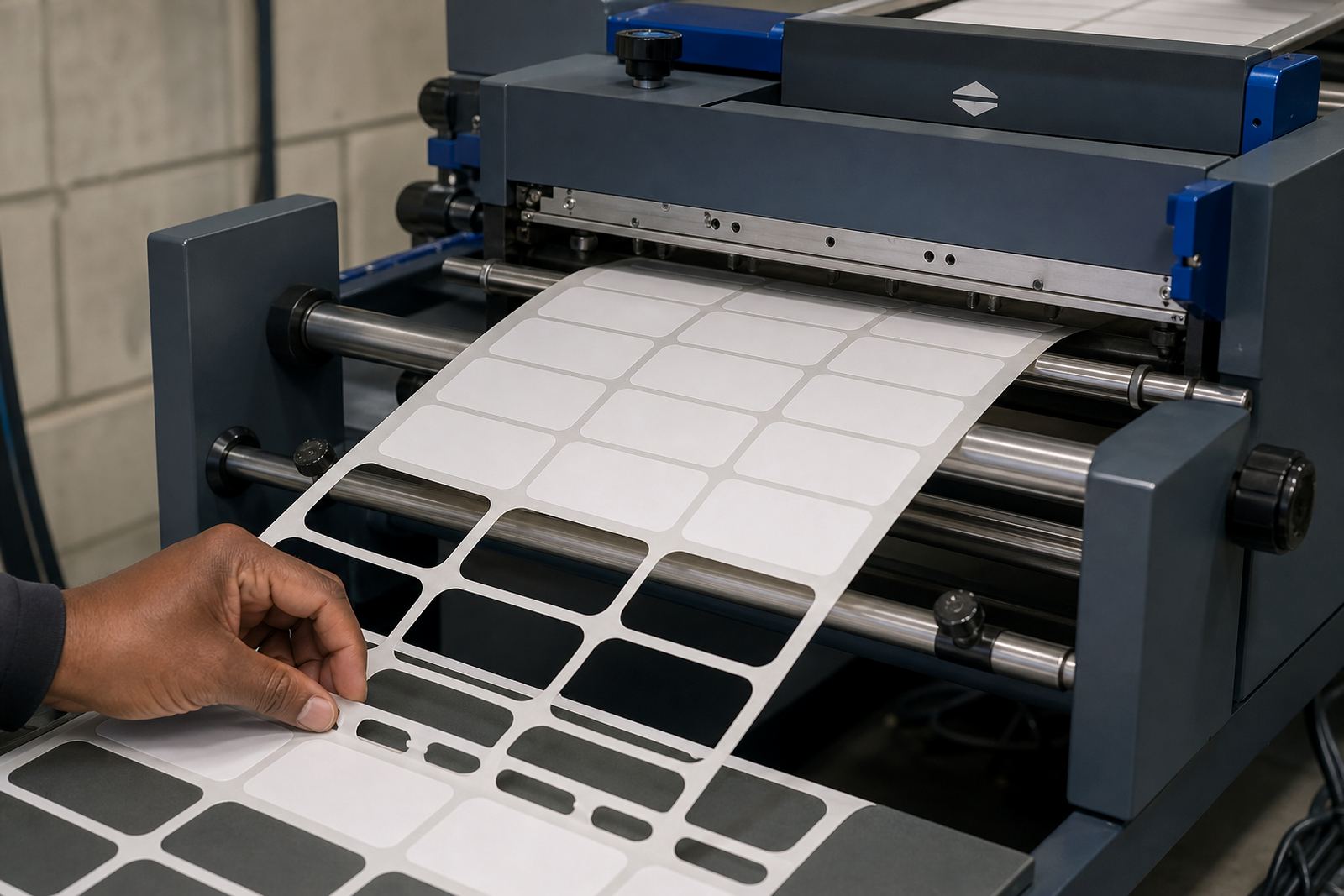
This module is used where printed labels need a clean kiss cut through paper, PP or PET face stock, while the backing liner carries the web through the rest of the line. In a label shop the cut depth matters more than heavy blade pressure, because a shallow, even cut keeps the liner strong and keeps labels easy to strip later.
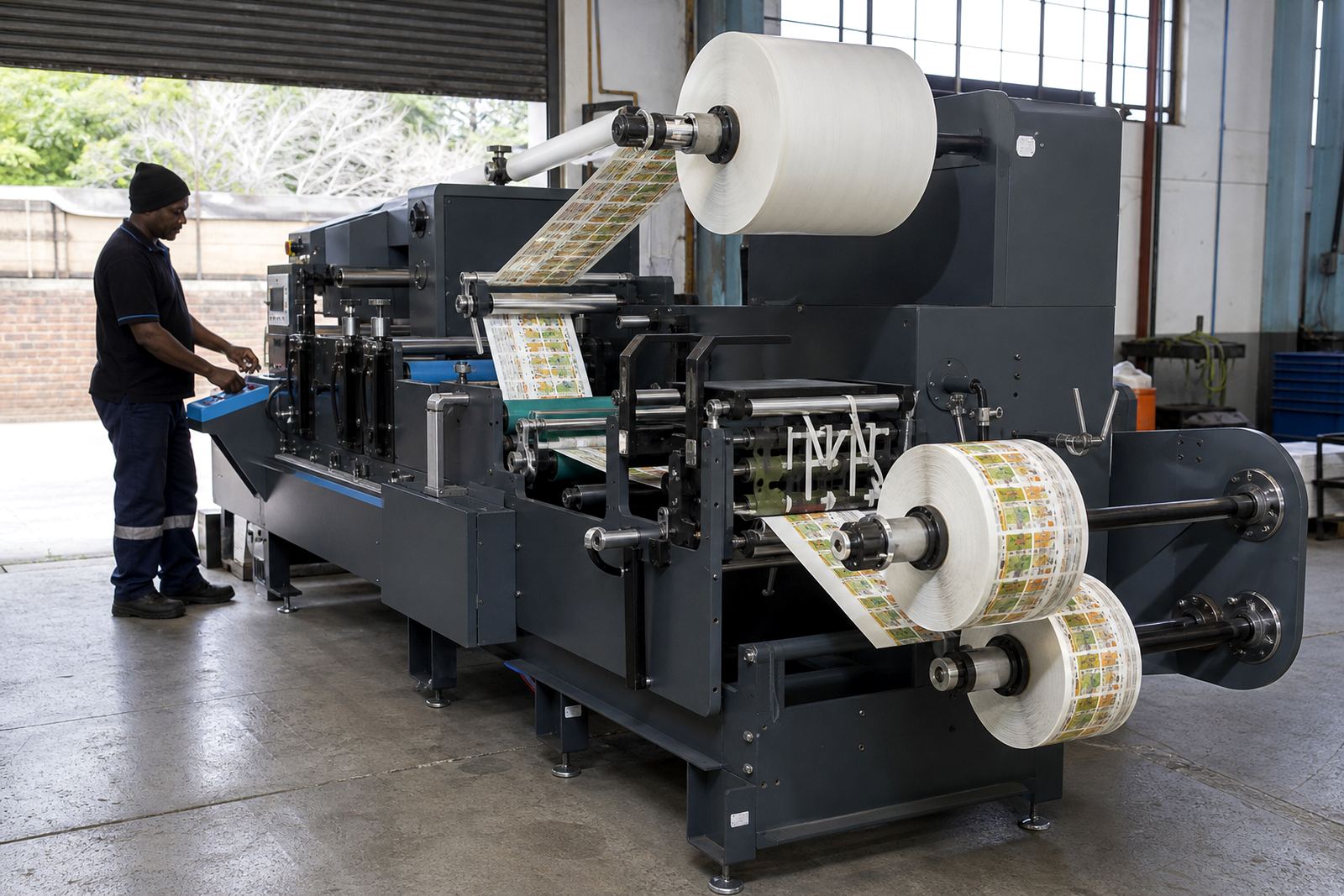
The section is commonly paired with lamination, varnish, matrix removal, slitting and rewind on the same finishing line. It is a practical fit for digital label printers working with variable artwork, registration marks and frequent changeovers, especially when jobs move between retail, food, cosmetics and industrial packs.
- Clean cut through face material only
- Supports printed web registration
- Works in modular finishing lines
- Suitable for pressure-sensitive label stock
Typical build options and working widths
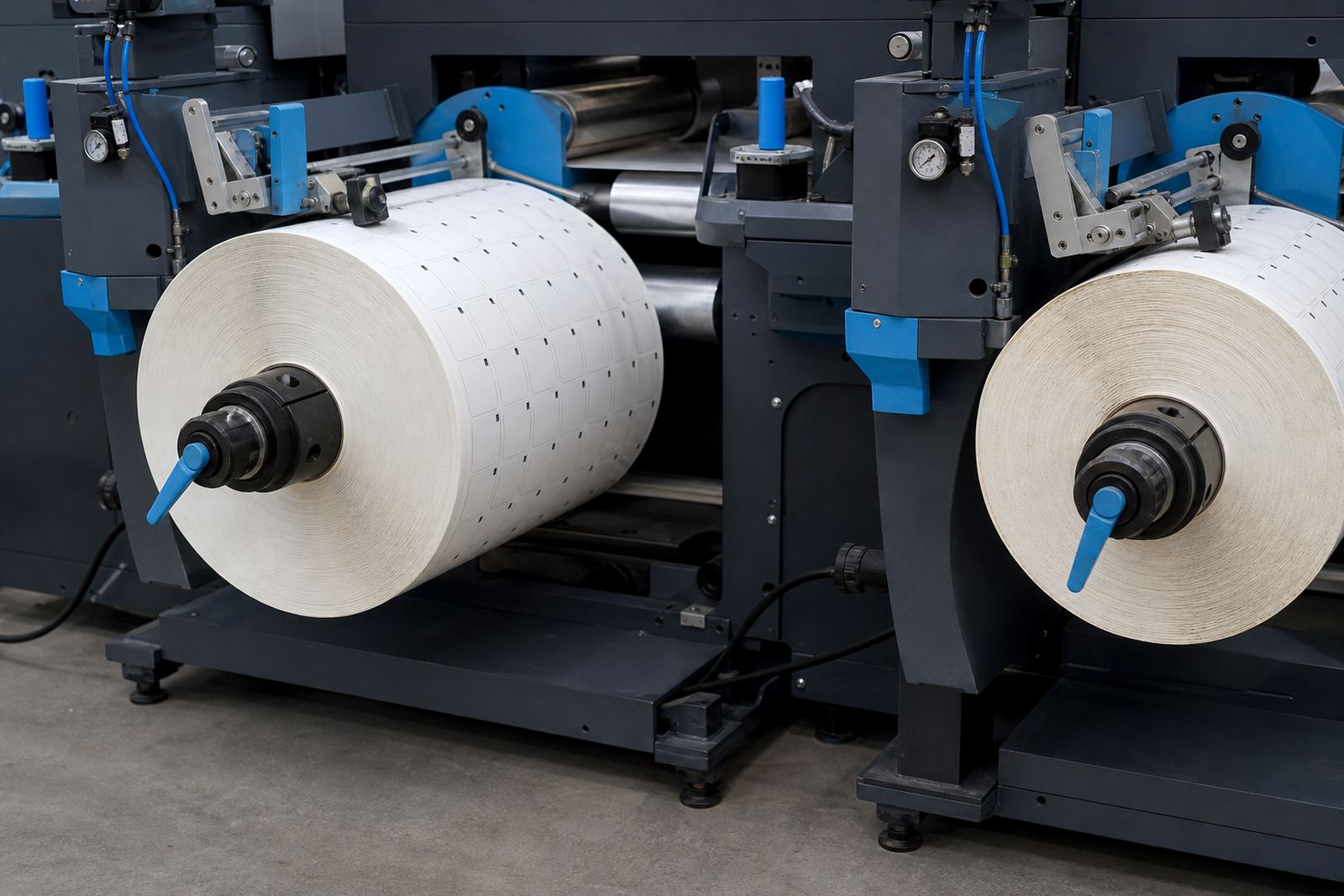
We set up kiss cut sections to suit the web width and the label format the machine must carry. The working width depends on the line, but common configurations are built for narrow web label production, from compact rolls up to wider industrial formats. Roll handling, unwind and rewind size, and the cut head layout all need to match the real job list.
Available options often include semi-rotary cutting, laser cutting, multiple knife stations and tension control for smoother web travel. Where flexible dies are used, the section can be set for repeat label shapes with steady depth control. A well matched module helps on liner-sensitive stocks, light paper face materials and filmic labels that must keep a sharp edge.
- Narrow web and wider roll configurations
- Semi-rotary or laser cutting options
- Flexible die setups for repeat shapes
- Compatible with slitting and rewind sections
Where the module fits in production
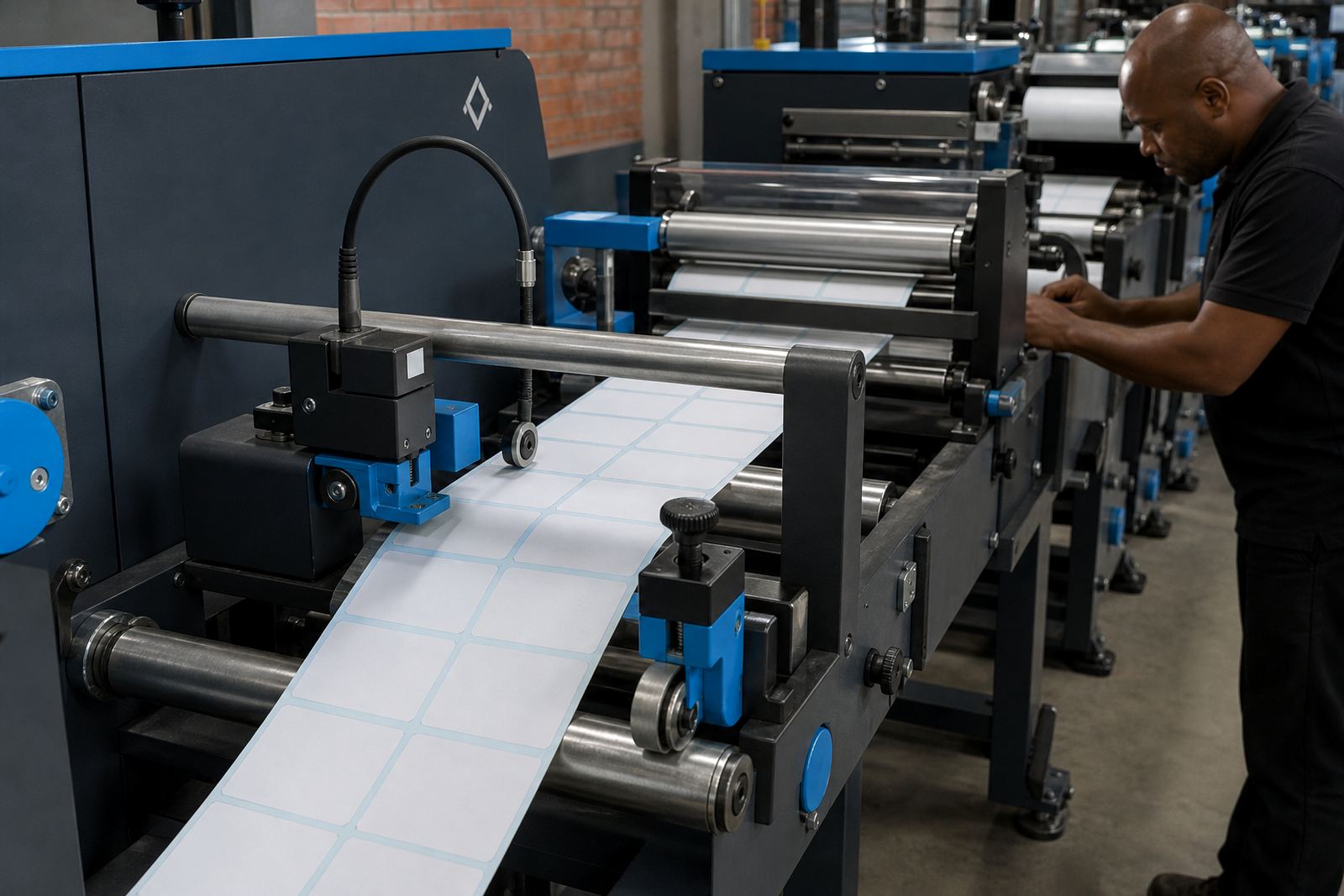
This type of unit suits label printers and packaging producers that need precise finishing after print. It is often used on jobs with barcodes, batch data, small text and full-colour artwork where the printed image has to sit in the same place on every label. The registration mark sensor keeps the cut aligned to print, which matters when artwork changes across the roll.
It also works well for converters handling multi-lane webs, spot varnish areas, laminated labels and waste matrix removal. In a Johannesburg or Durban production room, the aim is the same: keep the web stable, hold the cut clean and finish the roll ready for packing or dispatch.
- Label printers with digital print lines
- Packaging producers finishing printed rolls
- Short-run and mixed-artwork production
- Jobs needing precise registration marks
Installation, alignment and operator setup
Fitting a kiss cut module is not only a bolt-on job. The knife depth, web path, tension, sensor position and rewind alignment all need checking before production starts. Our installation work covers mechanical fitment, line commissioning and operator training so the team understands cut pressure, waste path and roll build-up.
On some lines the section sits after lamination, then into die-cutting and matrix stripping, then through slitting and rewind. On other lines the order changes to suit the material. The important part is that the section runs true to the web, with steady pressure and no liner damage.
- Mechanical fitting to the finishing line
- Sensor and registration calibration
- Operator training on cut depth and waste flow
- Rewind and slitting setup checks
Care, wear points and regular checks
Like any converting section, the module needs regular attention to keep cuts consistent. Blades, anvils, bearings and guide parts wear over time, especially on coated stocks and abrasive label materials. Dust from paper face stock and adhesive build-up can affect cut quality, so cleaning and inspection should form part of the normal service routine.
Preventive maintenance usually includes checking registration accuracy, web tracking, knife condition and tension settings. If the liner starts scuffing or the cut gets too deep, the line needs adjustment before waste rolls or damaged stock build up. A service plan helps the machine stay in step with the rest of the finishing line.
- Inspect blades and cutting surfaces regularly
- Remove adhesive and paper dust from guides
- Check liner condition and cut depth
- Keep registration sensors clean and aligned
Details to confirm when ordering
Before a module is matched to a line, the key facts need to be right. That includes the web width, substrate type, roll diameter, unwind and rewind limits, cut method and the type of finish required after cutting. If the line also handles varnish, lamination or matrix stripping, the section must be set to work with those stages.
Our contact form is the place to send the job details, along with the print format and the finish you need on the roll. The more exact the information, the easier it is to match the section to the machine and the stock. For complex jobs, we also look at registration marks, web speed, reel build and the slitting pattern.
- Web width and roll diameter
- Face stock, liner type and adhesive
- Required cut style and repeat length
- Registration mark position and finish sequence
Key facts
| Product type | Kiss cut module for digital label finishing |
|---|---|
| Cut method | Shallow face-cut that preserves the liner |
| Compatible formats | Roll-to-roll label finishing lines |
| Common options | Semi-rotary cut, laser cut, flexible die setup |
| Working media | Paper, PP and PET label stocks, subject to line setup |
| Typical integrations | Lamination, varnish, matrix stripping, slitting and rewind |